
Top 20 Facts About the Big Five
Top 20 Facts About the Big Five
In the world of African safaris, the term “Big Five” instantly sparks excitement. Originally coined by big-game hunters, it refers to the five most difficult animals to hunt on foot: the lion, elephant, buffalo, leopard, and rhinoceros. Today, these magnificent creatures symbolize wildlife conservation and are the most sought-after sightings on a game drive. Here are 20 fascinating facts that bring you closer to understanding and appreciating Africa’s Big Five.
-
The Big Five Are Not the Largest, But the Toughest
The term “Big Five” doesn’t refer to size. It came from colonial-era hunters who named them based on the difficulty and danger of hunting them on foot due to their unpredictable behavior when wounded or cornered.
-
Africa Is the Only Continent Where All Big Five Roam
While parts of Asia have tigers and elephants, Africa is the only place where all five species coexist in the wild. Countries like Kenya, Tanzania, South Africa, Namibia, Uganda, Botswana, and Zimbabwe are prime Big Five safari destinations.
-
The African Elephant Is the Largest Land Animal on Earth

Weighing up to 6,000 kilograms, the African bush elephant towers over the savannah. It uses its trunk for feeding, drinking, social interaction, and even defense, making it one of the most intelligent and adaptable mammals in the wild.
-
African Buffalo Are Not Domesticated
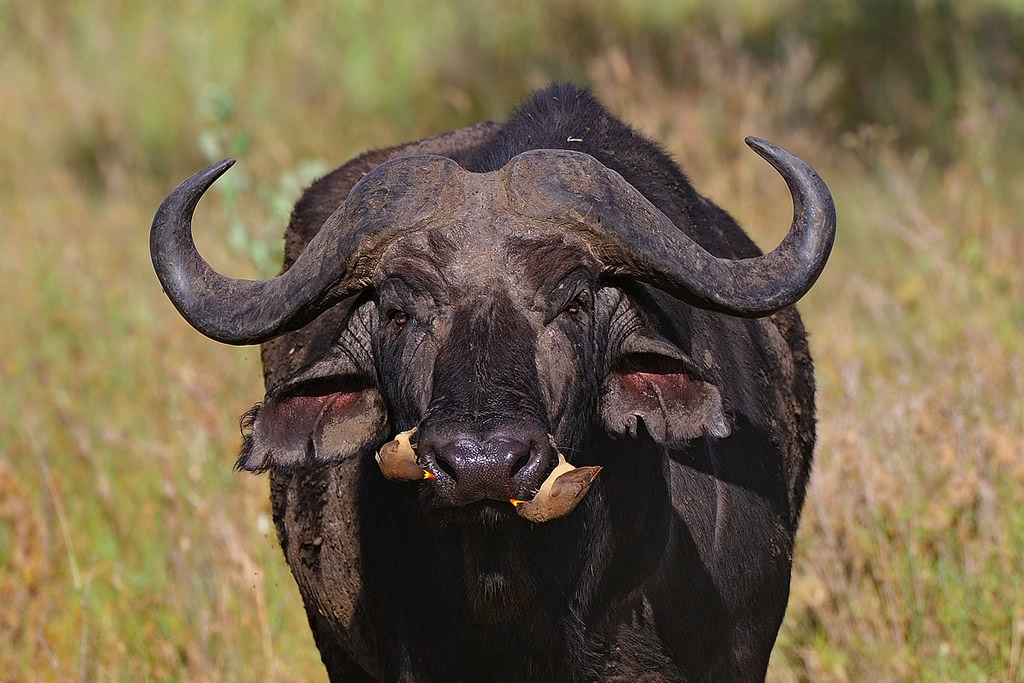
Despite looking similar to cattle, the Cape buffalo has never been domesticated. Known for its unpredictable nature, it can be aggressive when provoked and is responsible for more fatal attacks on humans in Africa than any other member of the Big Five.
-
Lions Are the Only Social Cats
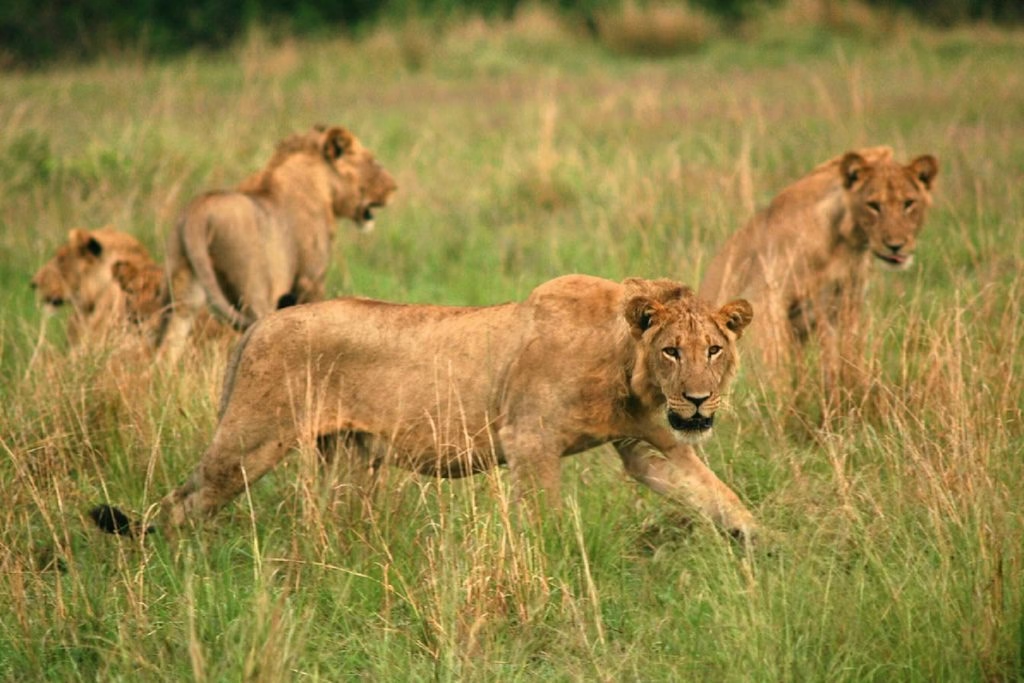
Unlike leopards, lions live in prides consisting of related females and a coalition of males. This social structure helps them hunt cooperatively and defend their territories from rival prides or predators.
-
Leopards Are Masters of Stealth
Leopards are solitary and elusive. They hunt mainly at night and often drag their prey up trees to protect it from scavengers like hyenas and lions. Their spotted coat provides perfect camouflage in woodland and savannah environments.
-
Rhinos Have Poor Vision But a Strong Nose
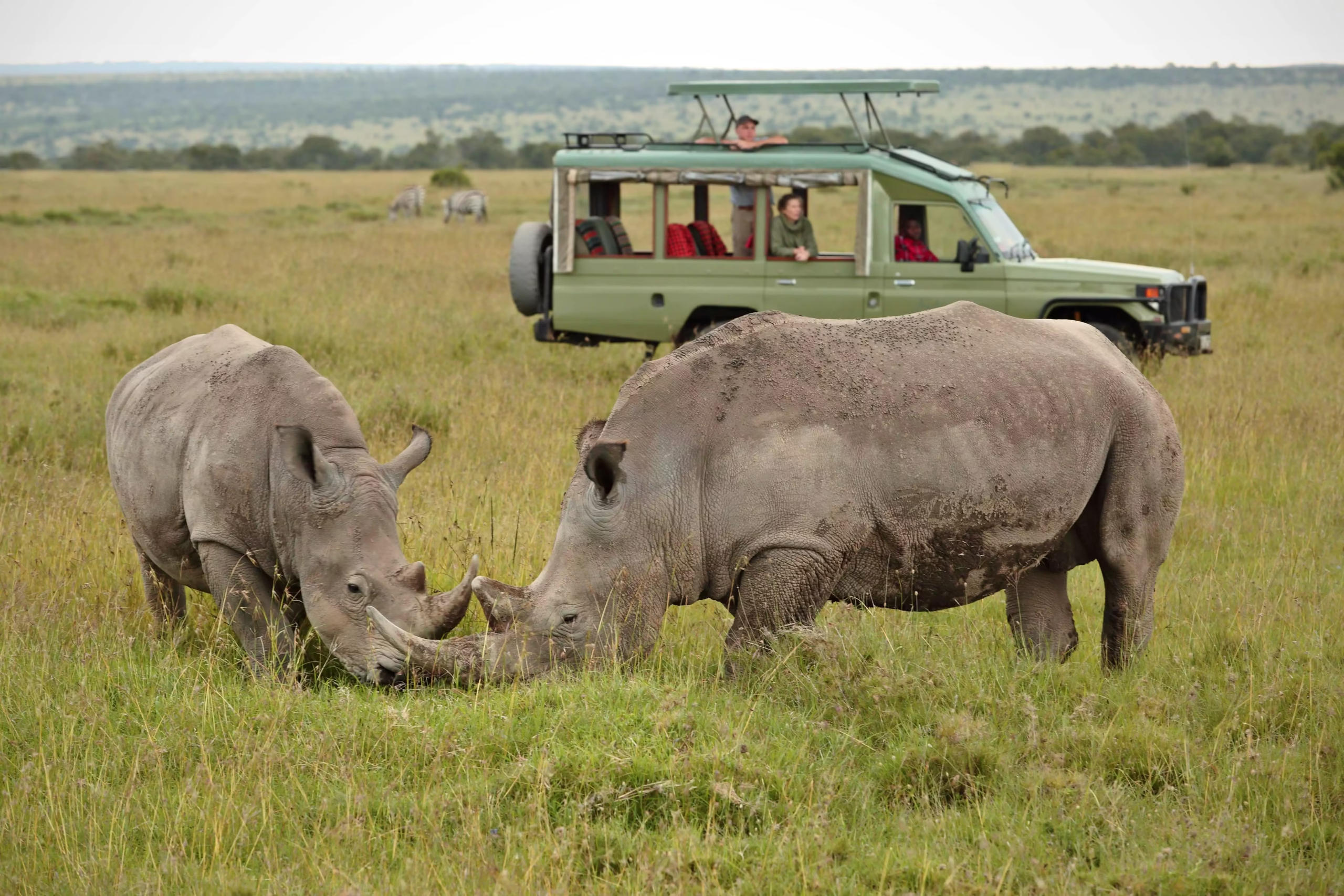
Rhinos rely heavily on smell and hearing rather than eyesight. A black rhino, for example, may charge at unfamiliar scents or sounds. Their poor vision is often compensated by a strong sense of smell and acute hearing.
-
Two Rhino Species Belong to the Big Five
Both the black rhino and the white rhino are classified as part of the Big Five. Despite their names, their color is virtually the same. The distinction lies in their lip shape—black rhinos have a hooked lip for browsing, while white rhinos have a square lip for grazing.
-
Elephants Can Recognize Themselves in Mirrors
Studies show that African elephants display self-awareness, problem-solving, and empathy. Their capacity to mourn their dead and recognize themselves in mirrors suggests a high level of intelligence and emotional depth.
-
The Big Five Play Critical Ecological Roles
Each member of the Big Five shapes the ecosystem. Elephants modify landscapes by uprooting trees, while lions control herbivore populations. Buffalo serve as prey for large predators, and rhinos maintain open grasslands essential for other grazers.
-
Leopards Have the Widest Range
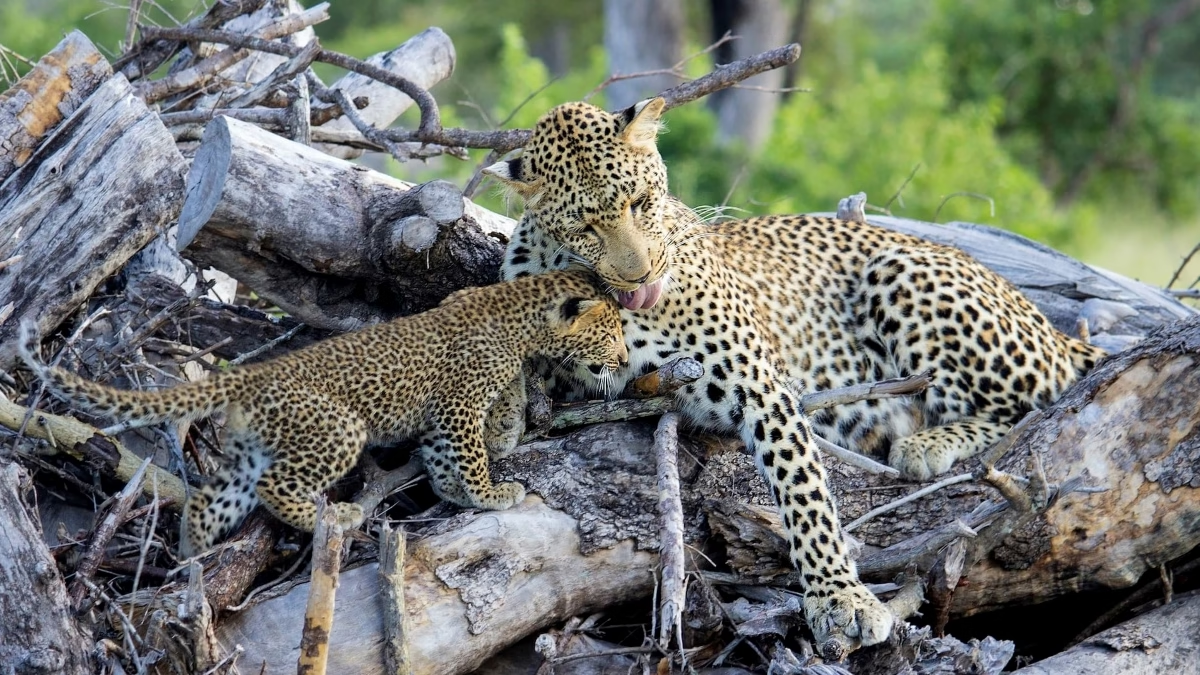
Among the Big Five, leopards are the most adaptable. They inhabit woodlands, savannahs, forests, and even urban edges, making them the most widely distributed of the group across Africa.
-
The Buffalo Is the Only Member of the Big Five Not Endangered
Unlike rhinos and elephants, whose populations have plummeted due to poaching, the Cape buffalo remains relatively stable. However, diseases like bovine tuberculosis and habitat loss still pose threats.
-
Rhino Horn Is Made of Keratin
Rhino horn is made of the same protein found in human fingernails. Despite having no medicinal value, it’s highly valued in illegal markets, particularly in parts of Asia, leading to massive poaching crises.
-
Lions Often Lose Kills to Hyenas
Even though lions are apex predators, they frequently lose their kills to hyena clans, especially if the lion is alone or injured. The competition between the two species is fierce and ongoing.
-
Elephants Can Communicate Using Infrasound
Elephants emit low-frequency sounds (infrasound) that travel long distances. These calls help them coordinate movements, locate herds, or warn of danger even when miles apart.
-
Rhinos Can Run Up to 50 km/h
Despite their bulk, both black and white rhinos are surprisingly fast. They can charge at speeds up to 50 kilometers per hour, making them extremely dangerous if provoked.
-
Leopards Are Expert Swimmers
While not often associated with water, leopards are excellent swimmers and are comfortable crossing rivers or hunting near water bodies, unlike lions who avoid water unless necessary.
-
Lionesses Do Most of the Hunting
In a pride, the lionesses hunt while the males defend the territory and cubs. They use strategic teamwork to corner and take down prey—especially at night.
-
Elephants Show Altruistic Behavior
Elephants are known to help injured individuals, grieve for their dead, and form lifelong bonds. Calves are cared for not just by mothers, but by other females in the herd, a behavior known as allomothering.
-
Big Five Safaris Are Key to Conservation
Revenue from Big Five safaris funds anti-poaching patrols, habitat protection, and local communities. Responsible tourism plays a vital role in safeguarding these species for future generations.