
2 Best Places to Visit in Congo
2 Best Places to Visit in Congo – Nature, Wildlife, and Adventure
Best Places to Visit in Congo. The Democratic Republic of Congo (DRC) remains one of Africa’s last frontiers for raw, untamed beauty. While often overshadowed by its complex history, the Congo rewards adventurous travelers with some of the most awe-inspiring natural wonders on the continent. From ancient rainforests to volcanic peaks, the country delivers extraordinary encounters for those willing to explore its remote corners.
If you are planning a journey into this wild heart of Africa, here are the two best places to visit in Congo that combine breathtaking scenery, wildlife, and unforgettable experiences.
-
Virunga National Park – Africa’s Oldest and Boldest Wilderness
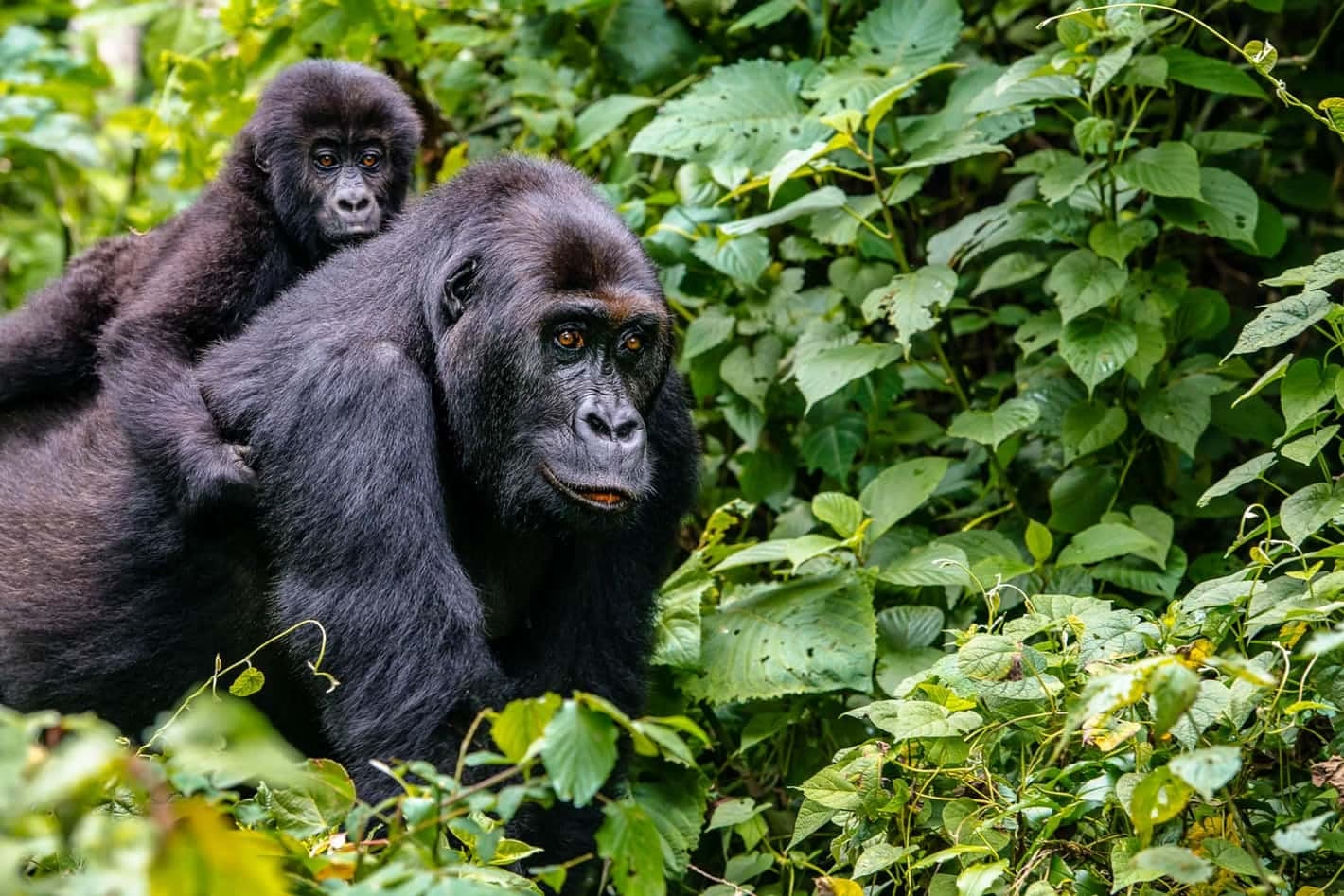
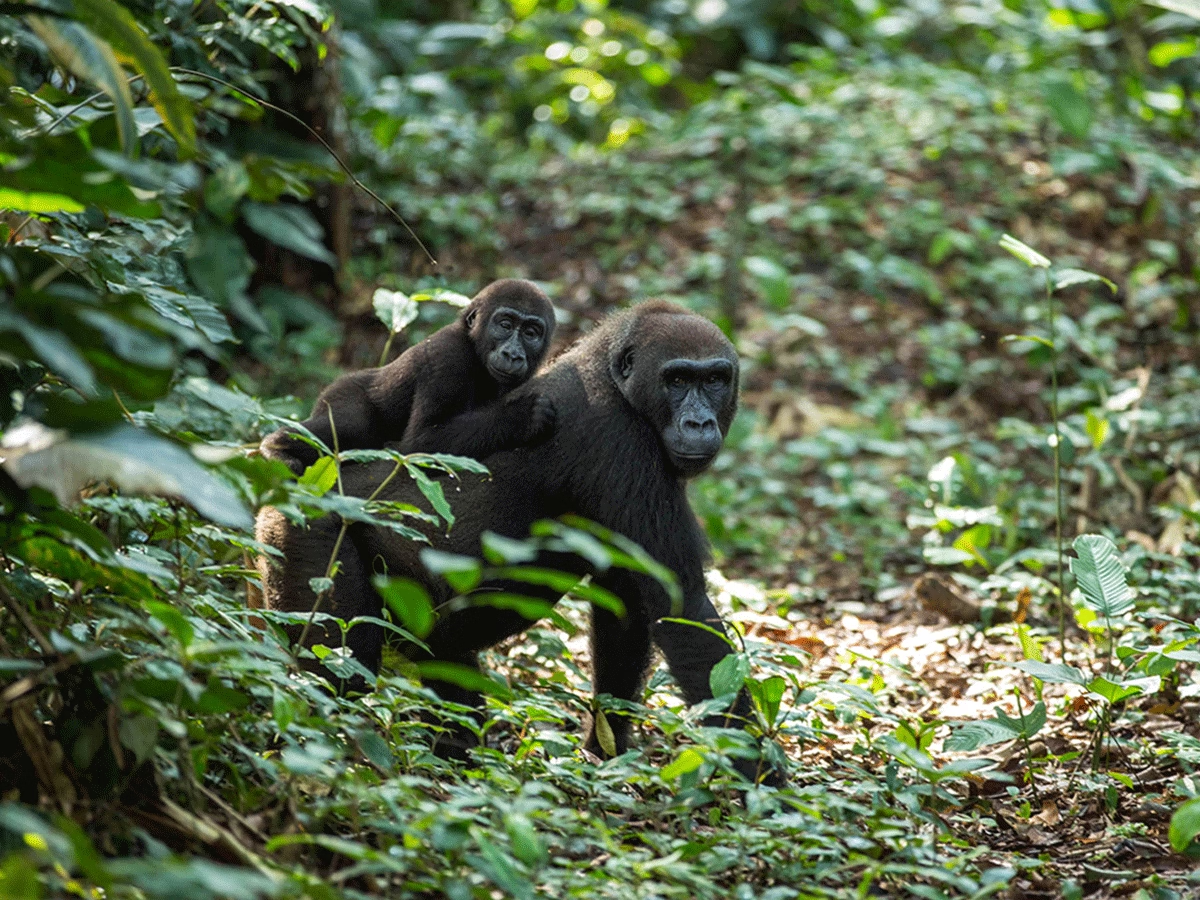
Nestled in the eastern part of the country near the borders of Rwanda and Uganda, Virunga National Park offers one of Africa’s most thrilling wildlife experiences. This UNESCO World Heritage Site is home to over 700 bird species, chimpanzees, forest elephants, and the rare and endangered mountain gorillas.
What truly sets Virunga apart is the diversity of terrain—from dense rainforest and swamps to active volcanoes and snow-capped peaks. Visitors can trek through bamboo forests to encounter gorilla families, or climb the smoldering Mount Nyiragongo, whose crater holds one of the world’s largest lava lakes.
Despite past security concerns, the park has reopened under strong conservation leadership, and select areas are now accessible through guided tours. Ranger-led expeditions ensure safety while supporting local communities and conservation efforts. A visit to Virunga offers not only a close-up view of Africa’s iconic wildlife but also the chance to be part of one of the continent’s most ambitious conservation missions.
-
Kahuzi-Biega National Park – Home of the Eastern Lowland Gorilla
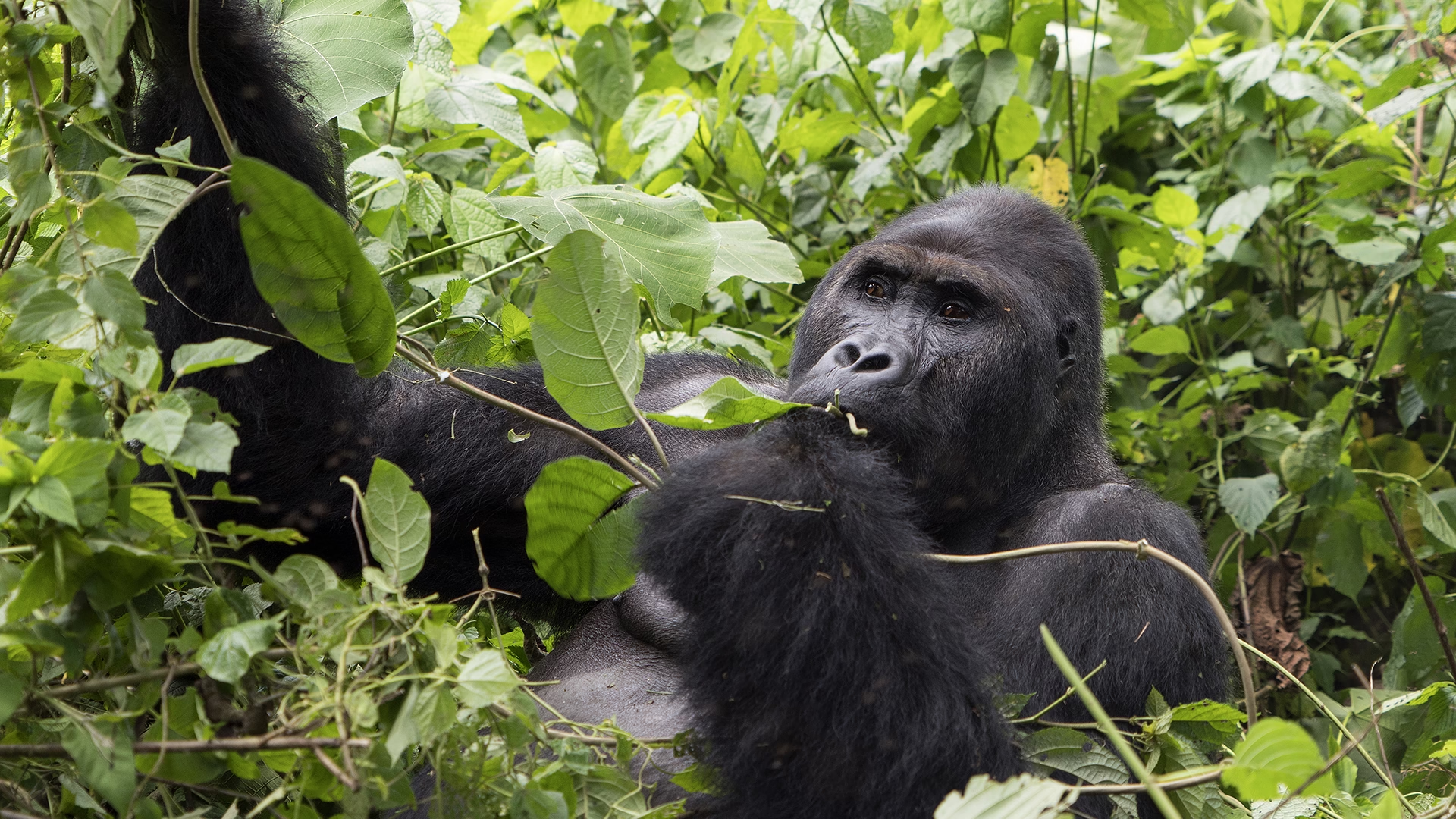
Located southwest of Lake Kivu near the town of Bukavu, Kahuzi-Biega National Park provides a quieter, equally captivating alternative to Virunga. Unlike the mountain gorillas found in Virunga, this park protects the eastern lowland gorillas—larger, more robust relatives that thrive in low-altitude rainforests.
The park spans over 6,000 square kilometers, covering both mountainous and lowland zones. It ranks among the most important biodiversity hotspots in Central Africa, sheltering dozens of endemic mammal and bird species.
Trekking here involves navigating through thick jungle to track lowland gorilla families. The experience feels more raw and off-the-beaten-path, offering a deeper connection with both nature and conservation. Park rangers and guides play a critical role in preserving the fragile ecosystem and educating visitors about gorilla behavior and habitat threats.
Beyond the gorillas, travelers can enjoy scenic hikes, birdwatching, and cultural exchanges with local communities living on the park’s fringes. With fewer tourists and more immersive opportunities, Kahuzi-Biega appeals to those seeking authenticity and solitude in the wild.
Plan Your Journey to Congo’s Wild Wonders
Both Virunga and Kahuzi-Biega represent the best of what the Democratic Republic of Congo has to offer: rich biodiversity, dramatic landscapes, and a deep sense of adventure. Visiting either park requires preparation, guided support, and respect for local customs and conservation rules.
Tour operators based in Goma and Bukavu can assist with permits, logistics, and safe travel routes. As infrastructure continues to improve and conservation gains momentum, these parks remain powerful symbols of what sustainable ecotourism can achieve—even in challenging environments.