
Uganda Gorilla Trekking After COVID-19 – What Travelers Need to Know
Uganda Gorilla Trekking After COVID-19 – What Travelers Need to Know
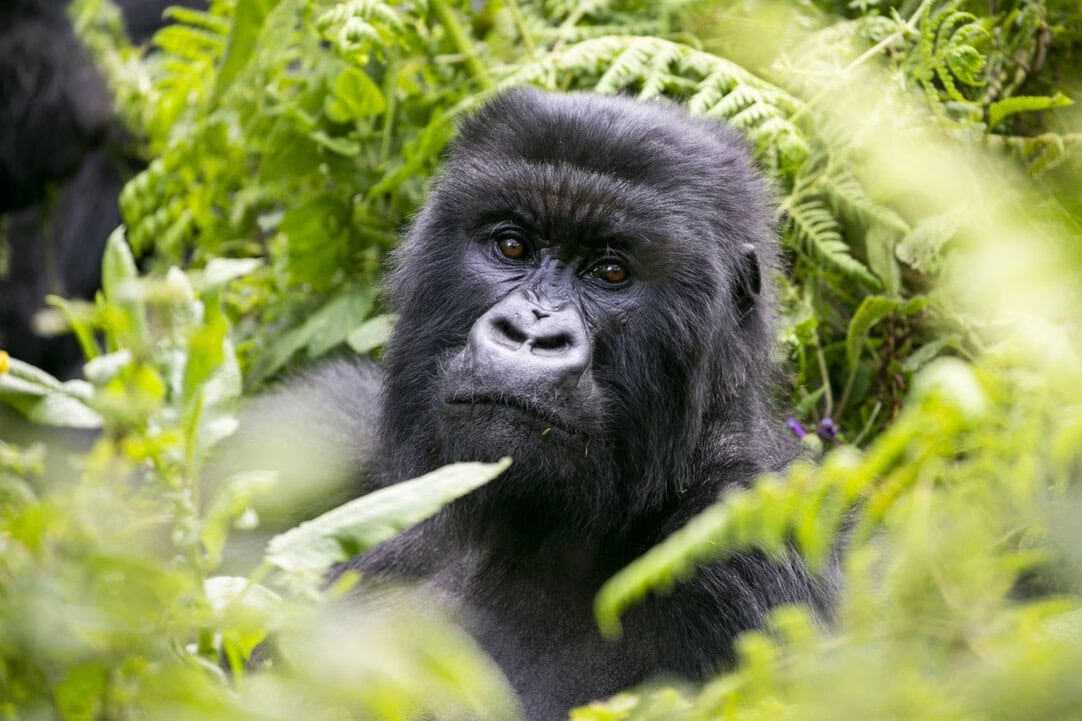
Uganda’s lush montane forests have reopened to travelers eager to meet one of nature’s most iconic creatures—the endangered mountain gorilla. After a long pause brought on by the COVID-19 pandemic, gorilla trekking has resumed in Uganda, offering both renewed excitement and important changes for visitor safety and wildlife conservation.
As the world adjusts to a new normal, Uganda has emerged as a safe and responsible destination for post-pandemic travel. With enhanced health measures, smaller trekking groups, and well-managed park access, the country’s gorilla tourism now offers a more intimate and mindful experience than ever before.
Where to Go for Gorilla Trekking in Uganda
Uganda offers two prime destinations for mountain gorilla encounters: Bwindi Impenetrable National Park and Mgahinga Gorilla National Park. Both parks lie in the southwestern region of the country and are home to several habituated gorilla families.
Bwindi, a UNESCO World Heritage Site, boasts higher biodiversity and more gorilla groups, while Mgahinga offers scenic volcanic views and the added chance to see golden monkeys.
Health and Safety Measures in Place
To protect both visitors and gorillas—who are highly susceptible to human respiratory illnesses—Uganda Wildlife Authority (UWA) introduced strict safety protocols. These remain active as a precaution against COVID-19 and any future outbreaks.
Travelers must present proof of full COVID-19 vaccination or a negative PCR test taken within 72 hours of arrival. Upon entering the park, all visitors undergo temperature checks and hand sanitization. Face masks are mandatory, particularly when near the gorillas, and trekkers must maintain a minimum distance of 10 meters from the animals at all times.
These measures prioritize the health of Uganda’s gorilla populations while ensuring that guests enjoy their trek with peace of mind.
Group Sizes and Trekking Experience
Trekking groups are now limited to eight people per gorilla family, a number enforced before the pandemic but now more strictly monitored. The smaller group sizes enhance the experience, creating a quieter, more focused atmosphere during the one-hour observation window.
With fewer tourists and better crowd management, the trek feels more personal. Hikers now move through the forest with a greater sense of space and calm, listening to birdsong, watching butterflies, and following expert guides who read the signs of the jungle to locate the gorilla families.
Cost and Booking Process
As of 2025, a gorilla trekking permit in Uganda costs $800 per person for foreign non-residents. This price includes the park entrance fee, ranger guidance, and the one-hour gorilla encounter. Permits for East African citizens and residents come at lower rates.
It’s important to book your permit through a registered tour operator or directly with the Uganda Wildlife Authority. Tour companies streamline the entire process—from transport and accommodation to health documentation—making your experience smooth and secure.
Because tourism numbers are increasing again post-COVID, permits sell out quickly, especially in the dry seasons of June to September and December to February. Booking early guarantees your place.
When to Go for Gorilla Trekking Post-COVID
Uganda offers gorilla trekking all year round. The dry seasons attract most visitors due to clearer trails and better forest visibility. However, the wet seasons (March to May and October to November) now draw more adventurous travelers seeking lush scenery, fewer crowds, and better availability of permits.
These months may require more effort on muddy trails, but the forest feels more alive—with mist rising through the trees and increased chances of unique photography moments.
Why Gorilla Trekking Matters More Now Than Ever
After COVID-19 paused tourism, local communities and conservation projects experienced economic strain. Gorilla trekking isn’t just an adventure—it funds the protection of Uganda’s gorillas, supports park rangers, and empowers surrounding communities through ecotourism.
By choosing to trek post-COVID, travelers contribute directly to wildlife conservation and help rebuild tourism livelihoods in remote areas of Uganda.
What to Expect on the Day of the Trek
On trekking day, you’ll rise early and travel to the park headquarters for a briefing. Guides assign groups based on fitness levels and interest. The trek can last from 30 minutes to over 4 hours, depending on the gorilla family’s location.
Once you find them, your guide will ask everyone to wear masks and maintain distance. You will then enjoy an awe-inspiring hour watching the gorillas feed, play, nap, and interact—completely at ease in your presence.
After the trek, many visitors receive a certificate of participation, a small but meaningful reminder of their role in gorilla conservation.
Final Thoughts – Is It Worth It?
Absolutely. Gorilla trekking in Uganda after COVID-19 offers more than wildlife viewing—it’s a rare and emotional journey that connects people with one of Earth’s most intelligent and endangered animals. With enhanced safety and fewer crowds, the experience feels even more meaningful.