
Kahuzi-Biega National Park
Kahuzi-Biega National Park – Exploring Congo’s Eastern Lowland Gorilla Sanctuary
Tucked in the eastern Democratic Republic of the Congo near the shores of Lake Kivu, Kahuzi-Biega National Park stands as one of Africa’s most underrated wildlife destinations. Recognized as a UNESCO World Heritage Site, this park is home to the rare eastern lowland gorilla—a gentle giant found only in this part of the world.
Travelers who make the journey to Kahuzi-Biega discover much more than gorillas. Vast forests, volcanic peaks, foreign birds, and deep cultural roots shape this rich and wild landscape. 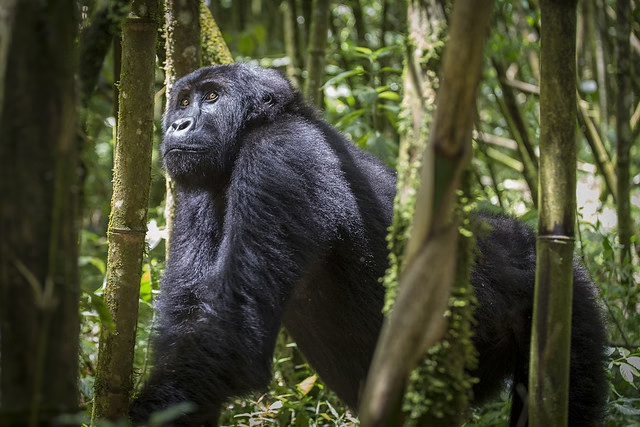
Where is Kahuzi-Biega National Park?
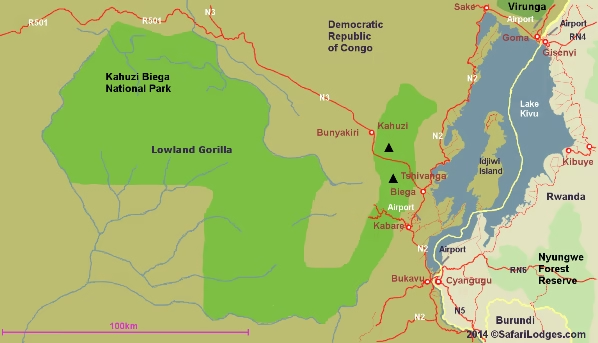
The park lies west of Bukavu, a city along the southern edge of Lake Kivu. It covers nearly 6,000 square kilometers, stretching from lowland tropical forests to the high mountains of the Mitumba range. This incredible variation in elevation creates one of the most diverse ecosystems in Africa.
Meet the Eastern Lowland Gorilla
Kahuzi-Biega shelters the largest population of eastern lowland gorillas (Grauer’s gorillas) left in the wild. These powerful yet peaceful creatures live in family groups led by a dominant silverback. With their massive build, broad chest, and gentle eyes, they differ from the mountain gorillas of Uganda and Rwanda but share the same captivating presence.
Several families in the highland sector of the park are habituated to human presence, making gorilla trekking safe and rewarding. The treks often begin early, and park rangers guide small groups through forest paths in search of these remarkable primates.
More Wildlife Awaits
Beyond gorillas, the park bursts with life. Chimpanzees, forest elephants, leopards, and Colobus monkeys roam the trees and valleys. The park also supports over 349 bird species, including rare gems like the Congo peafowl and Rockefeller’s sunbird.
Nature lovers, birders, and wildlife photographers find endless joy tracking life through the forest.
Hiking and Exploration
Kahuzi-Biega is also a place for adventure. Two extinct volcanoes—Mount Kahuzi (3,308m) and Mount Biega (2,790 m)—offer hiking routes with stunning views. Treks to these peaks reveal bamboo forests, alpine vegetation, and panoramic lookouts over the park’s vast canopy.
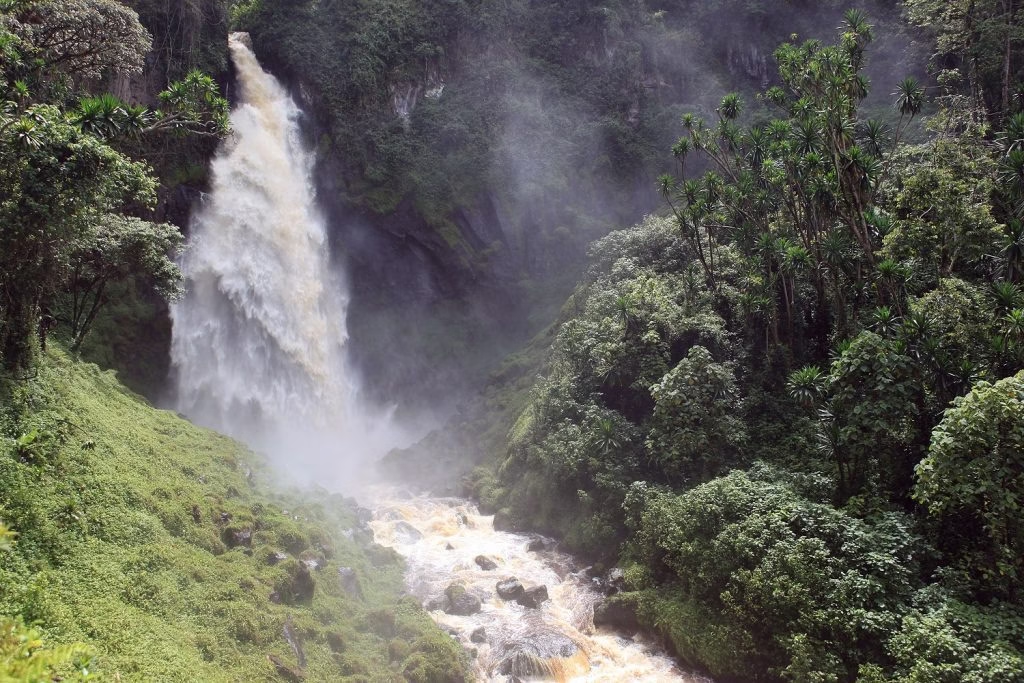
Guided nature walks offer a gentler way to explore. You’ll encounter waterfalls, unique plant species, and signs of wildlife along the way.
Ecological and Cultural Importance
The park’s name comes from the two extinct volcanoes, but its spirit comes from the forest. Locals, including indigenous Batwa communities, have lived in harmony with these forests for generations. While conservation rules now limit habitation inside the park, many still act as guides, trackers, and storytellers for visitors.
The park also protects a range of habitats—from swamp forest and tropical rainforest to high-altitude bamboo zones. Each layer supports rare plants and animals that exist nowhere else.
Conservation Challenges
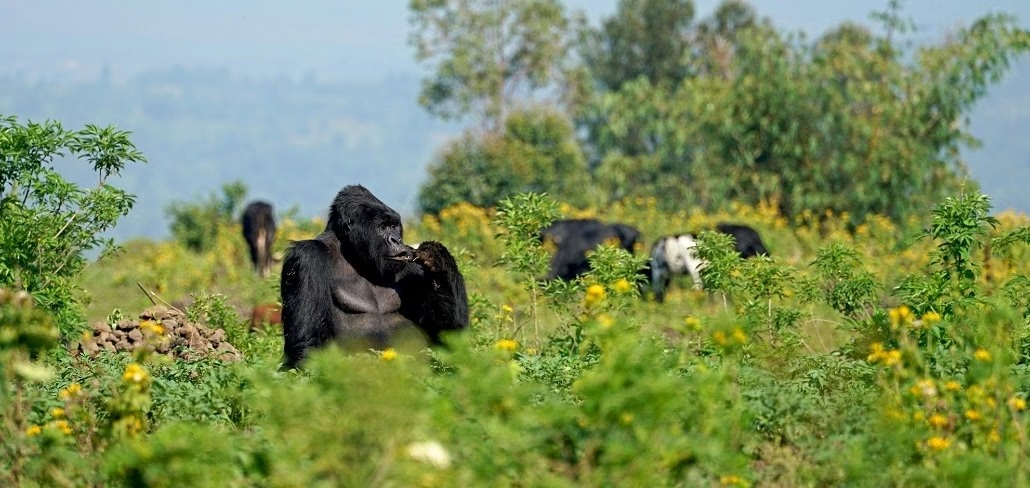 Despite its beauty, Kahuzi-Biega faces serious threats. Illegal logging, charcoal production, and armed militia activity have affected parts of the park. Conservationists continue to work with local communities and park rangers to protect the gorillas and forest ecosystems.
Ongoing support from travelers and ecotourism plays a critical role. Every visit helps fund protection efforts and creates jobs that value preservation over exploitation.
How to Visit Kahuzi-Biega
- Access: Most travelers arrive via Bukavu, accessible by road or domestic flight from Goma. From Bukavu, it’s a short drive to the park headquarters.
- Gorilla Permits: Required for trekking. Permits cost around $400 USD per person and must be booked in advance.
- When to Go: The dry seasons from June to September and December to February offer the best trekking conditions.
- Guides and Operators: Work with registered tour operators or contact the Institut Congolais pour la Conservation de la Nature (ICCN) for park access and ranger services.
Plan Your Adventure
Kahuzi-Biega National Park invites you to step into one of Africa’s last strongholds for eastern lowland gorillas. This is not a mainstream safari destination. It’s wild, raw, and real. The trails may be muddy, but the reward—a quiet hour with a family of gorillas—is unforgettable.
Come for the gorillas, but stay for the silence, the stories, and the soul of the Congo.