
Wildlife in Rwanda
Wildlife in Rwanda: What to Expect on Your Safari Adventure
Rwanda is a land of stunning contrasts. Rolling hills, misty mountains, and savannah plains create a rich home for wildlife. Though compact in size, Rwanda offers an unforgettable safari experience—where rare primates meet classic African game.
Whether you are trekking mountain gorillas, spotting lions on the plains, or listening to birds in a rainforest, Rwanda never stops surprising you.
Rwanda’s Unique Ecosystems
Rwanda has three main habitats for wildlife:
- Savannah plains in Akagera National Park
- Montane rainforest in Nyungwe Forest National Park
- Volcanic highlands in Volcanoes National Park
Each ecosystem supports a different kind of wildlife. Together, they create one of the most diverse wildlife destinations in East Africa.
The Big Game of Akagera National Park
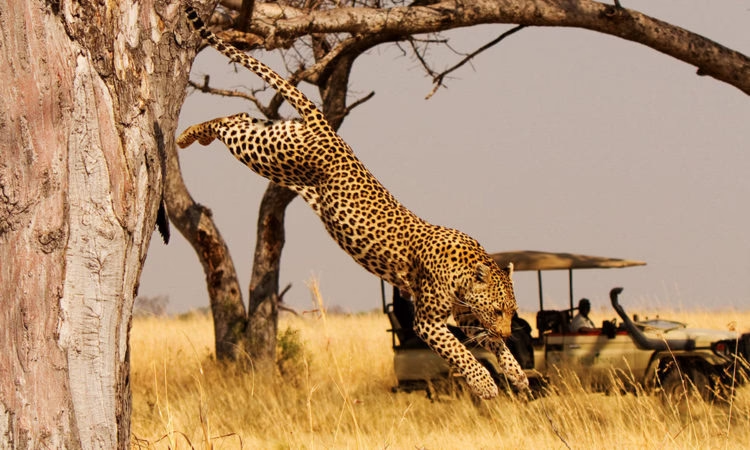
Akagera National Park, in eastern Rwanda, is the country’s best location for traditional safari wildlife.
Once damaged by conflict and poaching, the park has made a remarkable comeback. Today, Akagera is home to the Big Five: lions, elephants, leopards, rhinos, and buffalo. Thanks to reintroduction programs, the park is now thriving.
Other highlights include:
- Giraffes, zebras, and antelope species like impalas and topi
- Hippos and crocodiles in the park’s lakes and rivers
- Over 500 bird species, including shoebills and fish eagles
Game drives, boat safaris, and walking tours give visitors many ways to see wildlife up close.
Mountain Gorillas in Volcanoes National Park
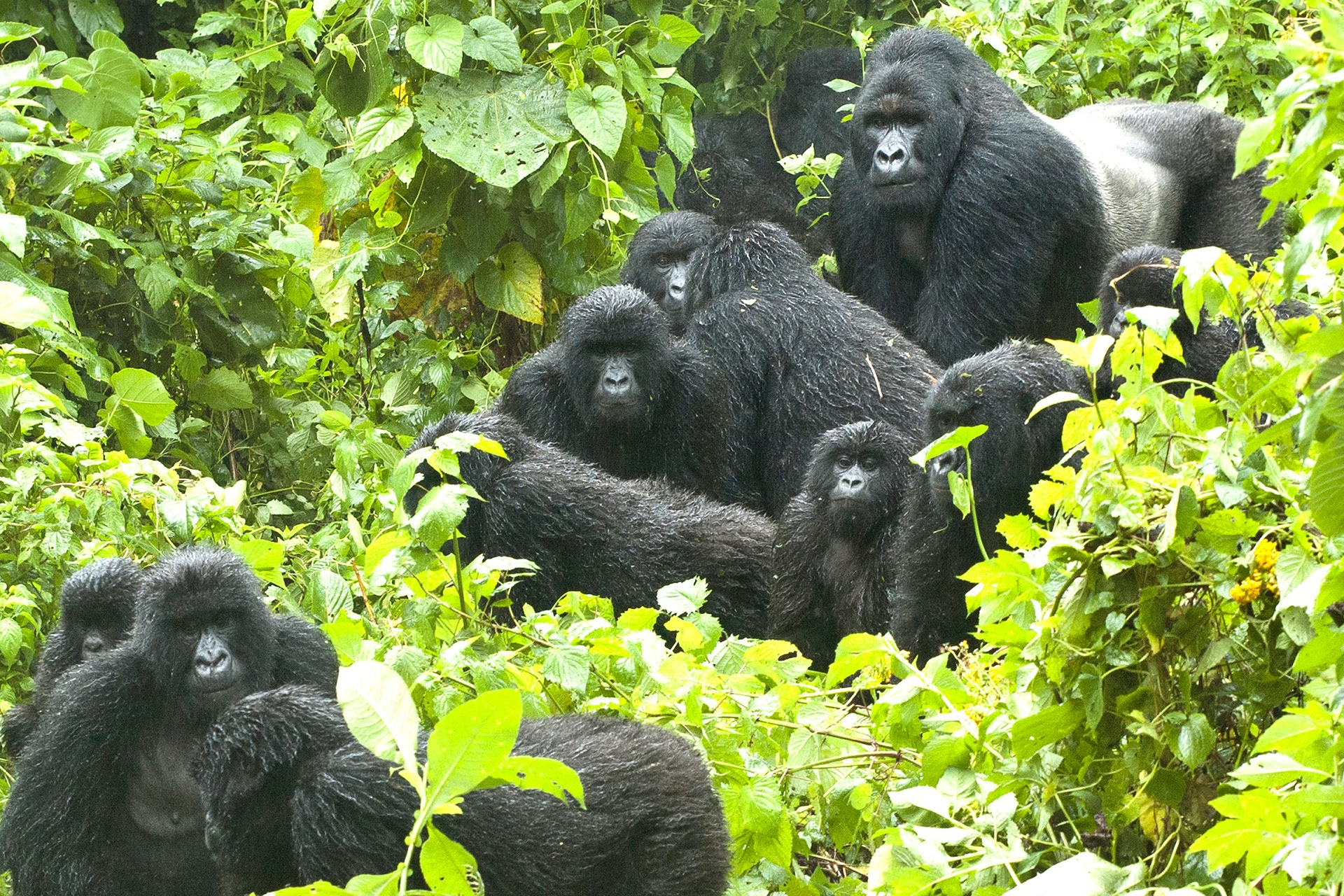
The mountain gorilla is Rwanda’s most iconic species. You’ll find them deep in the misty bamboo forests of Volcanoes National Park.
Trekking to see these great apes is unforgettable. You’ll hike through thick jungle and steep terrain to reach one of the park’s habituated gorilla families. Once found, you get one hour to observe them—feeding, grooming, and playing.
Volcanoes is also home to:
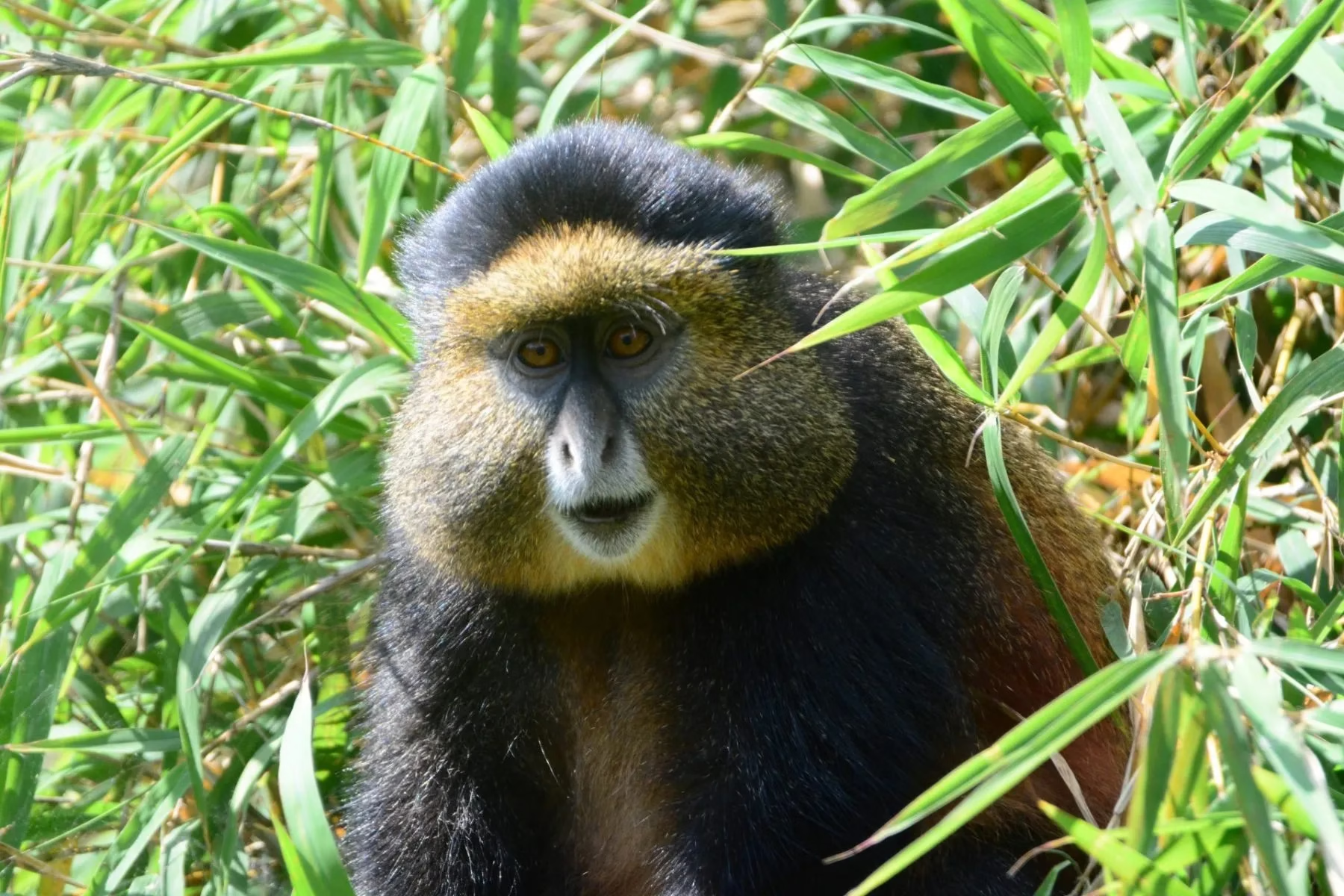
- Golden monkeys
- Forest elephants (rarely seen)
- Bushbuck and duikers
- Over 200 bird species, many found only in the Albertine Rift
This region is one of Africa’s best primate destinations.
Chimpanzees and Canopy Walks in Nyungwe
Nyungwe Forest National Park, in the southwest, protects one of Africa’s oldest rainforests. It’s known for its rich biodiversity and 13 primate species, including chimpanzees.
Chimp tracking here takes you deep into the forest at dawn. You may hear their calls echo before you see them swinging between trees.
Other animals in Nyungwe include:
- L’Hoest’s monkeys
- Colobus monkeys in troops of up to 300
- Tree hyraxes and civets
- Rare birds like the Rwenzori turaco and Grauer’s swamp warbler
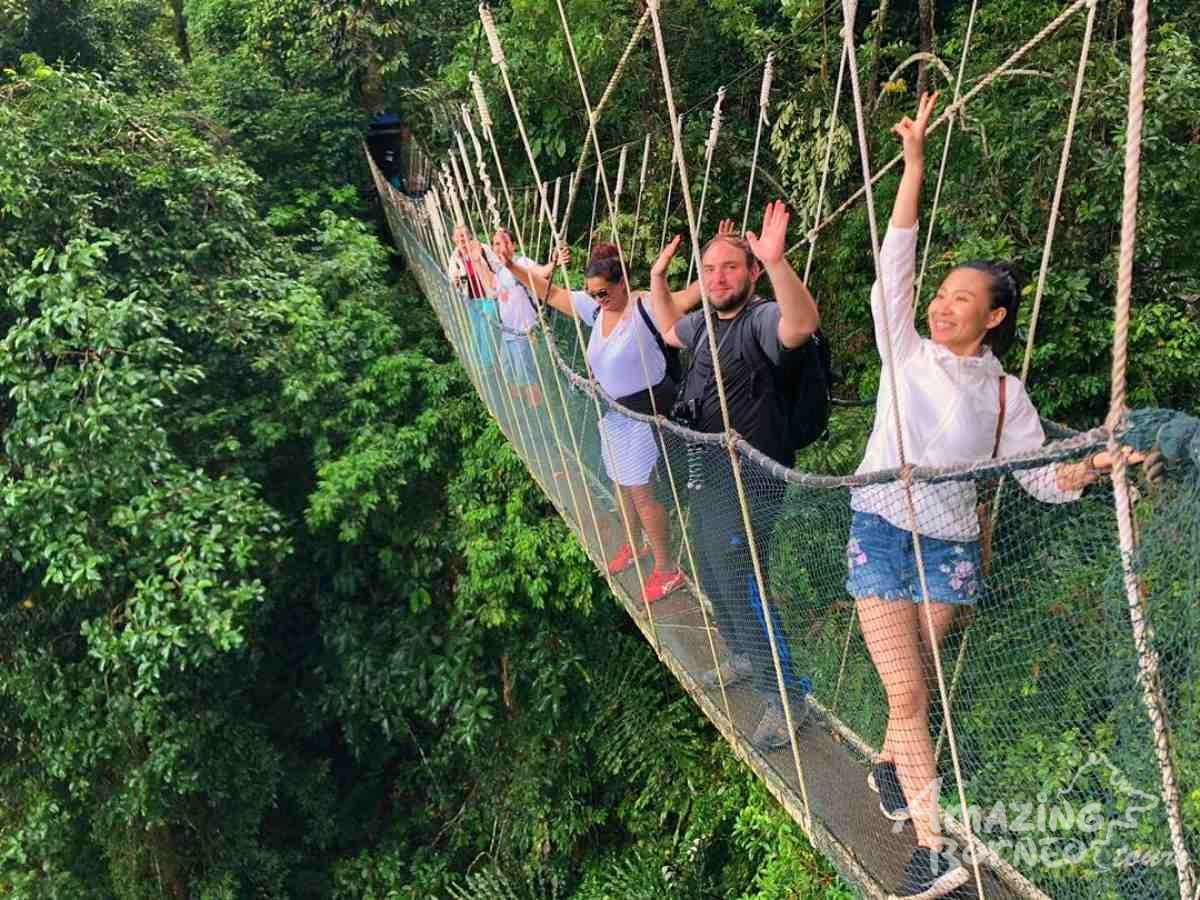
Nyungwe also offers Africa’s only suspended canopy walkway, giving you a bird’s-eye view of this vibrant ecosystem.
Birds, Reptiles, and Other Wildlife
Rwanda is a birding paradise. With more than 700 bird species, including 29 Albertine Rift endemics, it’s a dream for enthusiasts.
Top birding spots include:
- Akagera’s wetlands and savannah
- Nyungwe’s mountain forest trails
- Lake Kivu’s shoreline
- Volcanoes’ bamboo zones
Birds like the shoebill stork, blue turaco, and dusky crimsonwing are special highlights.
Rwanda also has reptiles and amphibians in abundance. Chameleons, snakes, frogs, and geckos thrive in the forests. While not always easy to spot, they add color and mystery to Rwanda’s wild corners.
Conservation and Responsible Tourism
Rwanda is a leader in conservation. Community-based tourism, strong park management, and anti-poaching efforts protect its wildlife. Park fees help fund schools, health clinics, and local development.
Tourism is limited and well-managed to reduce impact. Trekking group sizes are small. Guides are trained and knowledgeable. You leave with more than memories—you contribute to the future of Rwanda’s natural heritage.
Final Thoughts
Wildlife in Rwanda is rich, diverse, and deeply rewarding to experience. You can track gorillas in the morning and see lions by sunset. Add in chimpanzees, birds, and rare forest life, and your safari becomes a journey like no other.
Whether you are a first-time traveler or a seasoned explorer, Rwanda’s wildlife will stay with you long after your trip ends.