
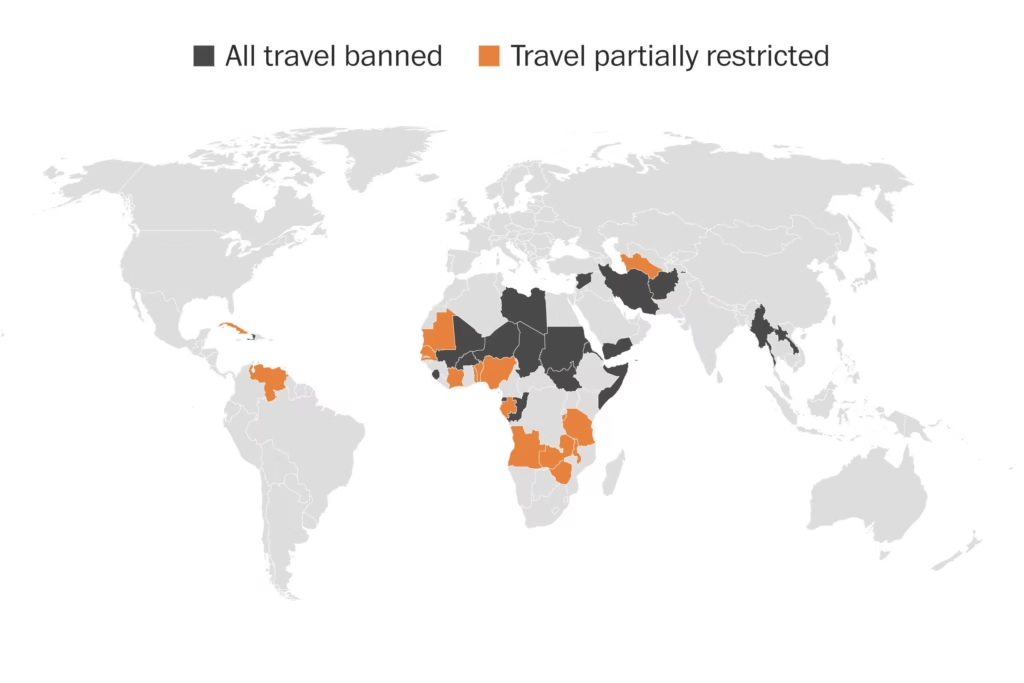
26 African Countries Under Full or Partial U.S. Travel Ban (Post-December Update)
26 African Countries Under Full or Partial U.S. Travel Ban (Post-December Update) Following the December update to U.S.…
Read article →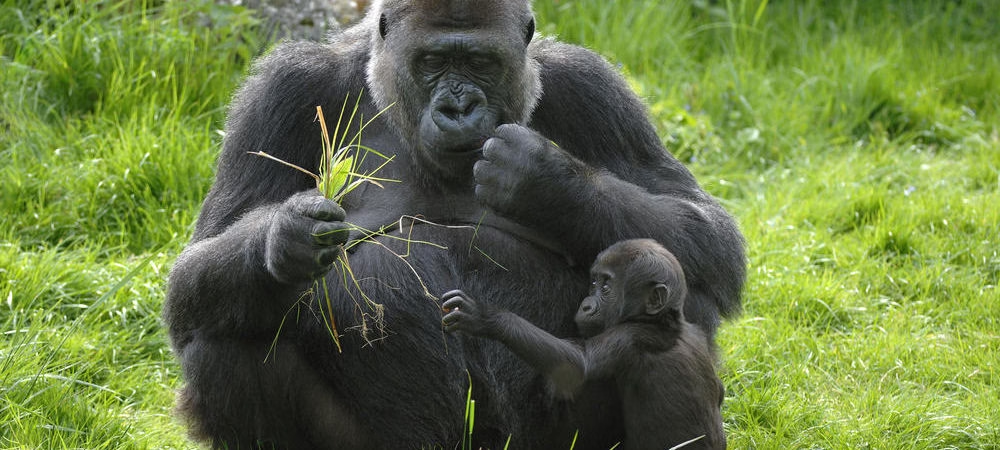
Visit Rwanda
Kahuzi-Biega National Park, located in the eastern Democratic Republic of Congo, shelters one of the last remaining strongholds of the eastern lowland gorilla—also known as Grauer’s gorilla. These gentle giants live deep within the park’s lush…
Extraordinary Encounters
Last a Lifetime
Kahuzi-Biega National Park, located in the eastern Democratic Republic of Congo, shelters one of the last remaining strongholds of the eastern lowland gorilla—also known as Grauer’s gorilla. These gentle giants live deep within the park’s lush forests, thriving in both lowland and high-altitude terrain. With its rich biodiversity and remote beauty, Kahuzi-Biega offers a raw and authentic gorilla trekking experience that few other destinations can match.
As of 2025, the park protects 12 known gorilla families. Of these, five are habituated and open to guided trekking experiences. The remaining families roam the forest untouched by tourism, offering hope for future conservation and research.
The gorillas found in Kahuzi-Biega differ from their mountain relatives in Volcanoes and Bwindi. Eastern lowland gorillas are larger, with broader chests, longer limbs, and shorter hair. Despite their size, they move with remarkable grace and feed mostly on leaves, shoots, and fruits.
Each family lives under the protection of a dominant silverback. These males lead the group, make travel decisions, and guard their members from threats.
Trekking in Kahuzi-Biega gives visitors the rare chance to observe these gorilla families up close. Here’s a look at the five habituated families currently visited by travelers:
Chimanuka, the iconic silverback of this group, has become a symbol of gorilla conservation in Congo. He leads a strong family of 19 members, including females and several offspring. Known for his calm demeanor and protective instincts, Chimanuka often stays close to the younger gorillas. Trekking this family gives visitors rich social interactions, grooming scenes, and playful juveniles.
Mpungwe’s group is the largest habituated family, with 21 individuals. They occupy a dense patch of forest, which adds an element of adventure to the trek. This family displays more movement and energy, offering trekkers a more dynamic experience. Their range sometimes stretches over steeper terrain, so expect a more demanding hike.
Bonani’s group includes just five individuals, making it the smallest of the habituated families. What it lacks in numbers, it makes up for in intimacy. Trekkers often enjoy extended viewing time with these gorillas, who remain calm and inquisitive. This family is ideal for visitors seeking a more relaxed encounter.
This “family” consists of a lone silverback, Mugahuka, who broke away after a leadership clash. Although solitary, he remains a significant figure in the park. Mugahuka displays strength and solitude, and trekking him provides insight into gorilla behavior outside of group dynamics.
Nganwa’s group is a newly habituated family, with around 10 members. Their presence offers hope for expanding tourism and conservation initiatives. While sightings may be less predictable, the experience feels pioneering. Trekkers sometimes serve as among the first humans these gorillas have ever seen closely.
Beyond these five groups, seven additional gorilla families inhabit the park’s vast interior. These groups remain wild and untouched by human observation. Researchers monitor them through indirect signs like nests, tracks, and vocalizations.
Conservationists see these families as the park’s future. As the habituated groups adjust to human presence, trained trackers may gently introduce new families to limited, low-impact tourism. This process, known as “habituation,” takes years and requires deep respect and patience.
Gorilla trekking in Kahuzi-Biega offers a wilder, less commercial experience than Uganda or Rwanda. The trails feel remote, the forest untamed, and the encounters authentic. Trekkers start early, guided by expert trackers who follow fresh signs. The trek can last anywhere from one to five hours, depending on the gorillas’ location.
Once found, you’ll spend a magical hour in their presence. Watch them feed, groom, climb, and interact with each other—often just meters away. Photography is allowed, though flash is forbidden.
Kahuzi-Biega’s gorillas face threats from habitat loss, illegal mining, and poaching. Despite these challenges, partnerships between park rangers, international NGOs, and local communities have helped preserve gorilla populations. Trekking permits fund anti-poaching patrols, education campaigns, and alternative livelihoods for locals.
By visiting, travelers contribute directly to gorilla conservation. Every permit purchased supports the long-term survival of these endangered apes.
Meeting the gorilla families of Kahuzi-Biega is more than a wildlife encounter—it’s a journey into the heart of Africa’s last wild frontiers. Each family offers a unique story of survival, strength, and social bonds. If you seek raw nature, lowland beauty, and unforgettable moments with endangered primates, Kahuzi-Biega belongs on your bucket list.

26 African Countries Under Full or Partial U.S. Travel Ban (Post-December Update) Following the December update to U.S.…
Read article →
3 Days Congo Gorilla Safari – Encounter the Gentle Giants of Virunga A 3 Days Congo Gorilla Safari…
Read article →
Children and Kids on Safari – Family-Friendly Adventures in Africa Taking children on an African safari is one…
Read article →
How to Plan a Safari in Uganda—Your Complete Travel Guide Planning a safari in Uganda is the start…
Read article →