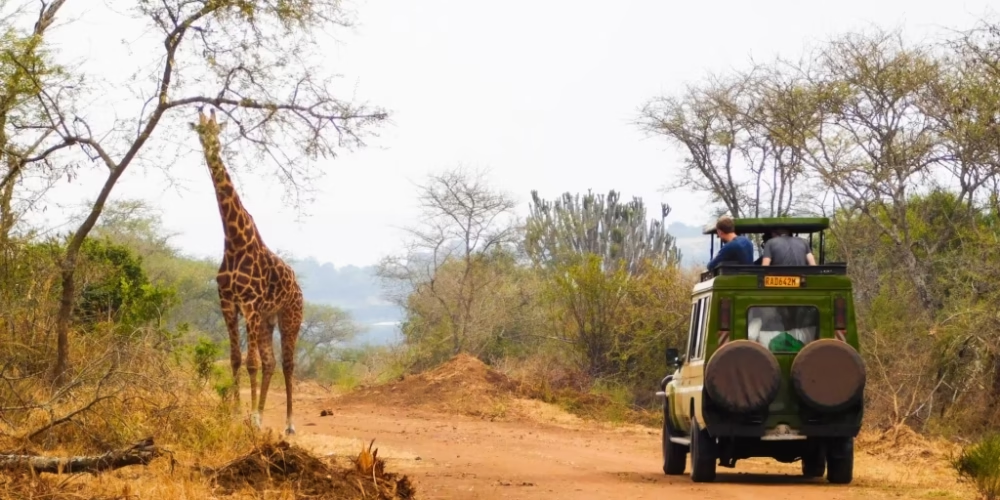

National Park Rules and Regulations.
National Park Rules and Regulations: Travel Responsibly in Africa’s Wilderness
National parks are more than scenic landscapes. They are protected areas that guard wildlife, ecosystems, and cultural heritage. These rules exist to protect nature, visitors, and the communities nearby. Understanding and respecting them ensures every safari leaves a positive impact.
Respect Park Entry Protocols
Visitors must enter parks through official gates. Rangers check permits, vehicles, and visitor numbers at these entry points. Most parks open at 6:00 AM and close by 6:00 PM. Arriving or leaving outside those hours isn’t allowed. Every traveler must pay a park entry fee, usually valid for 24 hours. Always carry your ID or passport when checking in.
Stay on Designated Routes
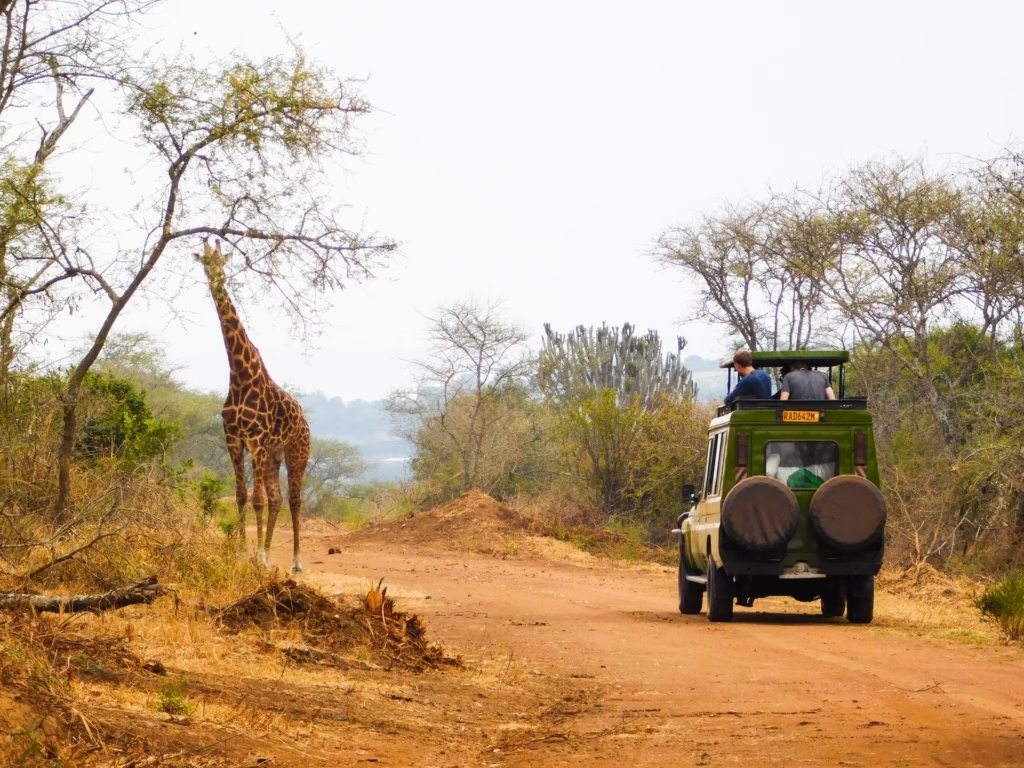
Driving off-road causes long-term damage. It crushes vegetation, destroys animal paths, and increases soil erosion. Stick to marked tracks and trails whether on foot, by vehicle, or during game drives. Rangers and guides know the safest and most respectful routes. Following their lead keeps you and the animals safe.
Observe Wildlife at a Safe Distance
Wild animals can become aggressive if they feel threatened. Keep a respectful distance from all wildlife. Never attempt to feed, touch, or provoke animals. Loud voices, sudden movements, and flash photography can disrupt their behavior. Turn off camera flashes and speak in hushed tones during sightings. If you’re on foot, never run. Stay calm and listen to your guide.
Follow Guide Instructions at All Times
Professional guides know animal behavior and park safety protocols. Their instructions protect lives and ensure an ethical wildlife experience. If a guide asks you to stay still, stay still. If they tell you to back away, move slowly and quietly. Ignoring instructions in the bush can lead to dangerous encounters.
Avoid Littering and Polluting the Environment
Everything you carry into the park, take out with you. This includes food wrappers, plastic bottles, and cigarette butts. Littering not only pollutes the landscape—it endangers wildlife. Animals can choke on or ingest human waste. Parks often provide biodegradable bags for rubbish. Use them responsibly.
Keep Noise to a Minimum
Silence allows you to blend into the wild and observe animal behavior naturally. Noise disturbs animals and affects breeding, feeding, and migration. Avoid playing music, shouting, or using loud devices. Vehicles should idle quietly or switch off engines when watching wildlife.
Camp Responsibly
Only camp in designated areas. These sites offer basic safety features such as ranger patrols, fencing, and fire pits. Do not light fires outside approved areas. Flames in the bush can spread rapidly, especially in dry seasons. Use park-approved fuel sources and never leave a fire unattended. Always extinguish fires completely before leaving.
Respect Cultural and Community Boundaries
Many parks border communities that depend on tourism. Treat people with respect. Ask permission before taking photographs of locals or their homes. Avoid entering sacred sites or villages without a guide. Buy crafts and support local businesses to contribute to community growth.
Drones and Firearms Are Restricted
Drones disturb wildlife and risk violating animal protection laws. Most parks ban their use without official permission. If you are a filmmaker or researcher, you must apply for a drone permit in advance. Firearms, hunting equipment, and pets are also prohibited unless cleared by authorities. Even binoculars shaped like rifles can cause suspicion.
Smoking Rules and Fire Hazards
Smoking is only allowed in specific zones. Dropped cigarette butts cause bushfires in dry grasslands. Dispose of them responsibly or, better yet, avoid smoking during your safari. Many lodges and vehicles operate under no-smoking policies for safety.
Penalties for Rule Violations
Breaking park regulations carries consequences. These include heavy fines, permanent bans, or even imprisonment for serious offenses like poaching or harassment of wildlife. Parks enforce these rules strictly to protect endangered species and delicate ecosystems.
Travel With Ethical Safari Operators
A responsible tour operator knows the park rules inside and out. They ensure that you travel legally, safely, and in line with conservation efforts. These companies hire certified guides, follow wildlife protocols, and respect cultural boundaries. Traveling with them improves your experience and supports sustainable tourism.
Plan Your Safari the Right Way
A safari is a privilege. The chance to walk among elephants, hear lions at dusk, or witness the sunrise over the savannah comes with responsibility. Respect the rules, listen to your guide, and protect the parks that protect our planet.
Need help planning a responsible safari?
Partner with experts who value conservation, community, and ethical travel. Your adventure can protect the very wild places you came to see.