
Caves in East Africa
Caves in East Africa
Caves in East Africa. East Africa hides a world beneath its surface. Caves stretch across Uganda, Kenya, Tanzania, and Ethiopia. These underground marvels offer more than geological beauty. They hold stories of early humans, rituals, and resistance.
From lava tubes to limestone shelters, East Africa’s caves carry deep cultural and scientific value. Explorers, historians, and locals all treasure these natural formations.
-
Kitum Cave—Kenya
Mount Elgon National Park in western Kenya holds Kitum Cave. This massive volcanic cave cuts over 200 meters into Mount Elgon.
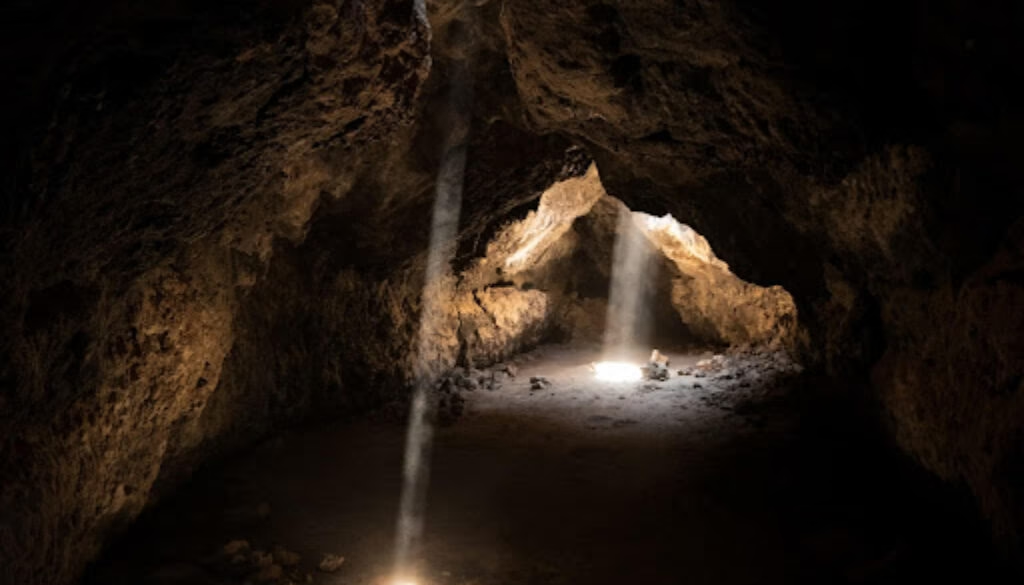
Elephants and buffalo enter the cave to lick salt from the rock walls. Visitors can see their scratch marks deep inside. The cave has also drawn scientists due to its links to Marburg virus research.
Travelers hike to Kitum with a park ranger. The walk offers wildlife encounters and stunning forest views.
-
Nguu Caves—Tanzania
The Nguu Caves sit in the Nguru Mountains, northeast Tanzania. Local legends say freedom fighters once used them to hide from German colonists.
The caves remain sacred to nearby communities. Rituals still take place at the entrances. Bats live deep inside, adding to the eerie atmosphere.
Hikers reach Nguu Caves by following forest trails. Local guides often share stories passed down for generations.
-
Nyero Rock Caves—Uganda
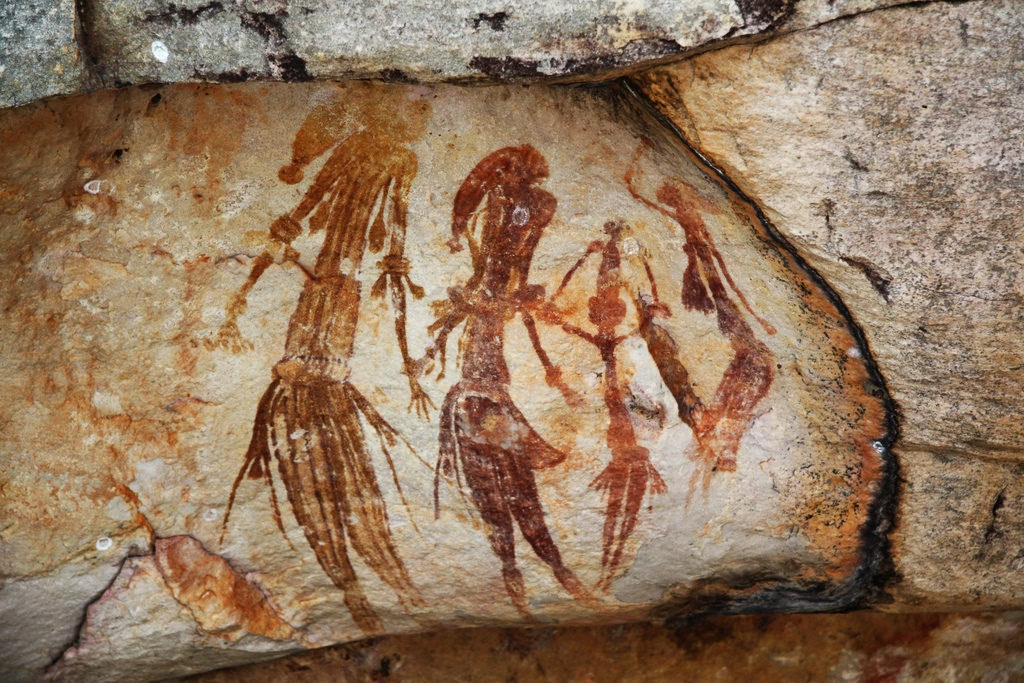
Located in Kumi District, eastern Uganda, the Nyero Rock Caves showcase prehistoric art. These red and white geometric paintings date back to the Iron Age.
The largest of the caves, Nyero 2, features a curved rock shelter with paintings of circles and animals. Archaeologists believe ancient hunter-gatherers created the art as part of spiritual or social rituals.
The Uganda Museum protects and maintains the site. Guides offer tours that combine archaeology and culture.
-
Amboni Caves—Tanzania
Just north of Tanga, in northeastern Tanzania, the Amboni Caves form the largest limestone cave system in East Africa.
Local people once used the caves for worship and healing. Today, tourists visit to see their long chambers, stalactites, and underground rivers.
Bats, snakes, and insects share the space. Guides often light the path with lanterns and share tales of spirits and mysteries hidden within the dark.
-
Sof Omar Caves—Ethiopia
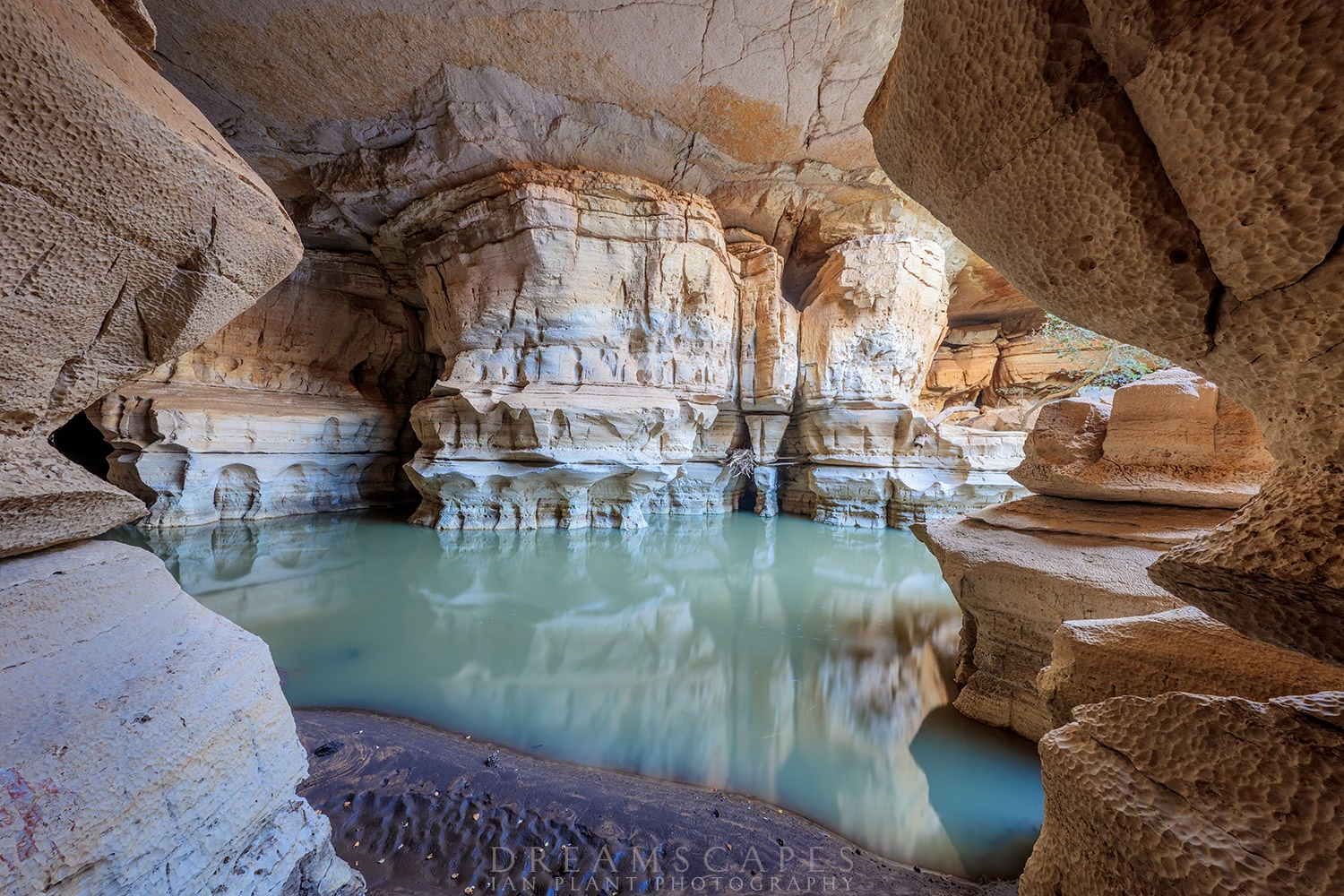
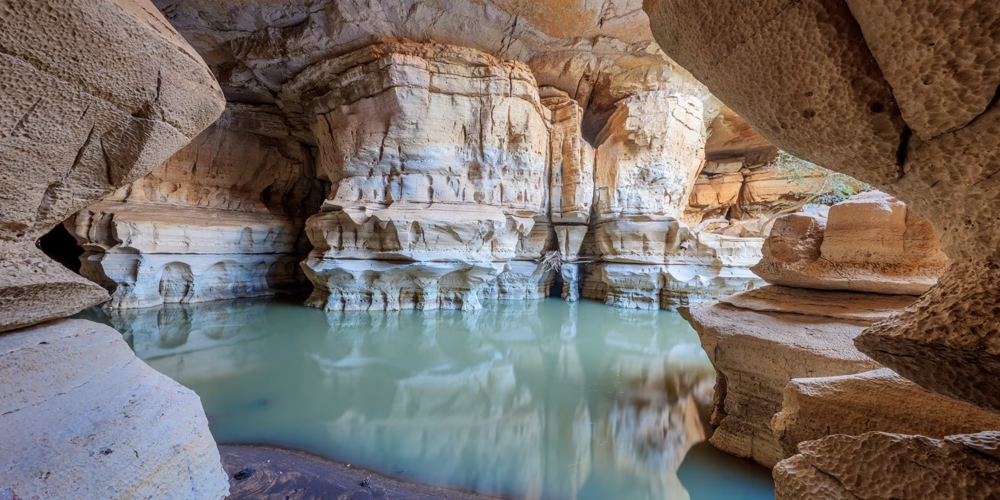
In the Bale Zone of southeastern Ethiopia lies the vast Sof Omar Cave system. The Weyib River flows through the caves, carving corridors and chambers over time.
Muslim cleric Sheikh Sof Omar once used the caves for prayer and refuge. The site remains sacred to many Ethiopian Muslims.
The cave system stretches over 15 kilometers. Visitors cross natural stone bridges and echo-filled halls as they explore.
-
Chwezi Caves—Uganda
The Chwezi Caves in western Uganda are tied to the mysterious Bachwezi dynasty. Oral traditions link them to semi-divine rulers who vanished without a trace.
The caves near Mubende Hill serve as shrines today. Pilgrims bring offerings, light fires, and seek blessings from ancestral spirits.
Local caretakers preserve the caves and share stories with those who visit respectfully.
-
Leviathan Cave—Kenya
In Kenya’s Chyulu Hills, the Leviathan Cave twists through old lava flows. It ranks among Africa’s longest lava tube caves.
The cave features two main arms, with passages reaching over 11 kilometers. Sharp rocks, collapsed tunnels, and narrow bends test explorers’ skill.
Caving groups often visit for adventure, not tourism. Visitors need helmets, lights, and strong nerves to navigate its depths.
Cultural and Scientific Value
Caves in East Africa do more than amaze. They preserve records of climate, migration, and early human life. Paintings, tools, and bones found inside change what we know about our origins.
These caves also hold spiritual meaning. Communities use them for healing, worship, and rites of passage. Respect for their sacredness runs deep.
How to Visit East African Caves
Travelers should plan cave visits with a local guide or ranger. Safety comes first—many caves have sharp rocks, bats, or tight spaces.
Wear sturdy shoes and carry a torch or headlamp. Avoid touching cave art or formations. Some caves may need permits or community approval.
The best times to explore are during the dry seasons:
- Uganda and Kenya: December to February, June to August
- Tanzania and Ethiopia: June to October
Beneath the Surface
Caves in East Africa offer more than darkness and stone. They reveal human stories, survival, belief, and beauty. Whether carved by lava or shaped by water, these places carry timeless power.
To step inside is to travel back in time, deep into the roots of nature and culture.
Plan Your Adventure
Want to explore East Africa’s mysterious caves? Contact Us