
10 Things Not to Do on a Safari (And Why It Matters)
Things not to do on safari. A safari in Africa is one of the most thrilling experiences a traveler can have. Watching lions stalk the savannah, elephants gather at waterholes, or giraffes grazing on acacia trees offers an unparalleled connection to nature. But safaris aren’t like traditional vacations—they come with strict etiquette and safety rules that protect you, your guides, and the animals.
-
Don’t Leave the Vehicle Without Permission
In national parks and game reserves, wild animals roam freely. Leaving your vehicle—even for a few meters—can be extremely dangerous. Predators, snakes, or elephants could be nearby and hidden from view. Only step out when your guide confirms it’s safe and allowed by park rules.
-
Don’t Shout or Make Loud Noises
Wildlife is sensitive to sound, and loud talking, shouting, or laughing can frighten animals away—or worse, provoke aggression. Safari vehicles often get close to animals because they appear non-threatening when quiet. Stay calm, whisper if necessary, and avoid playing music or yelling.
-
Don’t Wear Bright or Flashy Colors
Colors like red, white, neon, or bold patterns can alert or confuse wildlife. Predators and prey alike are attuned to subtle environmental cues. Stick to neutral tones such as khaki, olive, tan, or brown. These colors blend with the environment and reduce disturbance.
-
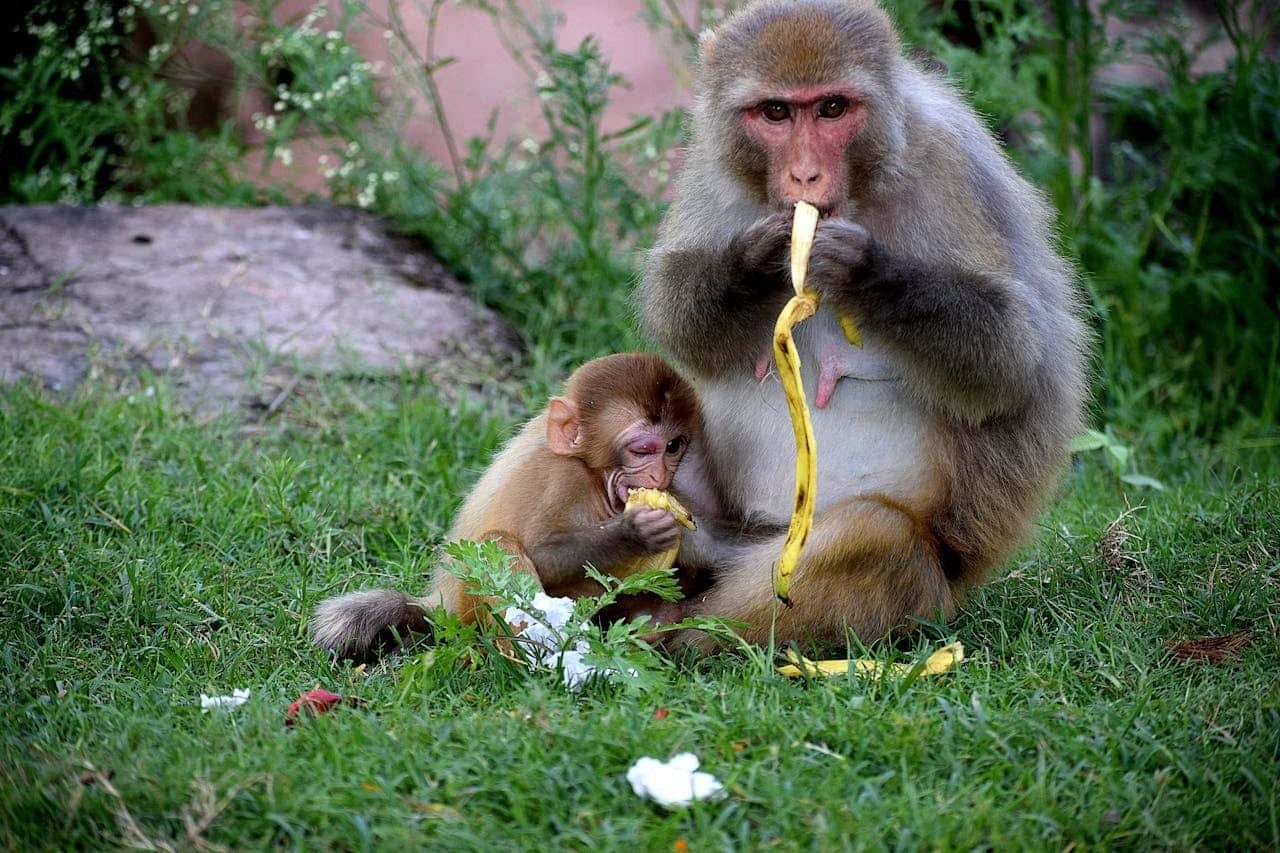
Don’t Feed the Animals
Feeding wildlife is not only dangerous—it’s illegal in most parks. Human food can harm animals or change their natural behavior. Animals that associate humans with food become aggressive, posing risks to future visitors. Respect wildlife boundaries and let animals remain wild.
-
Don’t Disobey Your Guide’s Instructions
Your guide is your lifeline in the bush. Ignoring their instructions—whether during a game drive or a walking safari—puts everyone at risk. If they say stay seated, stay seated. If they say don’t approach, back off. They are trained to read animal behavior and prevent danger.
-
Don’t Stick Arms or Cameras Out of the Vehicle
It may be tempting to get the perfect shot, but dangling arms, phones, or cameras outside the vehicle can provoke an attack. Animals like lions or leopards may see movement as prey behavior. Keep limbs and objects inside the vehicle at all times.
-
Don’t Try to Pet or Approach Animals
Safaris are not petting zoos. Even if an elephant or antelope seems calm or close, do not try to approach or touch it. Wild animals can react unpredictably when they feel threatened. Admire from a distance and use zoom lenses for close-up photos.
-
Don’t Litter or Leave Trash Behind
Africa’s ecosystems are delicate. Littering can harm animals that ingest plastic or other waste. Always take your trash with you, and if you’re in a remote area, dispose of it responsibly at camp. Leave no trace behind.
-
Don’t Expect Wi-Fi or Complain About Comforts
Safaris often take you deep into the wilderness, far from cell towers and paved roads. Lodges may run on solar power, and connectivity can be limited. Embrace the disconnect—safaris are about immersion in nature, not social media.
-
Don’t Forget This is Their Territory, Not Yours
Above all, remember that you are a visitor in the animals’ home. Respect their space, don’t rush sightings, and never pressure guides to chase animals or get closer than is safe. The best safaris happen when you observe, not interfere.
Final Thought: Respect Is the Real Rule
The essence of a safari is observing nature as it is—untouched, raw, and beautiful. Following the rules isn’t about being strict—it’s about protecting the balance between humans and wildlife. If you avoid these 10 common mistakes, your safari will be safer, more enjoyable, and more meaningful.