
9 Day Honeymoon Safari
9-Day Honeymoon Birdwatching in Meru National Park for Solo travellers
Enjoy a 9-day Meru birdwatching safari for solo travellers with diverse habitats, wildlife, private guiding and relaxed nature experiences.
- Honeymoon Experience Premium lodges & service
- Wildlife Safari An unforgettable encounter
- Kigali Experience Culture, dining & relaxation
- Tailor-Made Customised for you
Overview
Enjoy a Peaceful Solo Birdwatching Escape in Meru
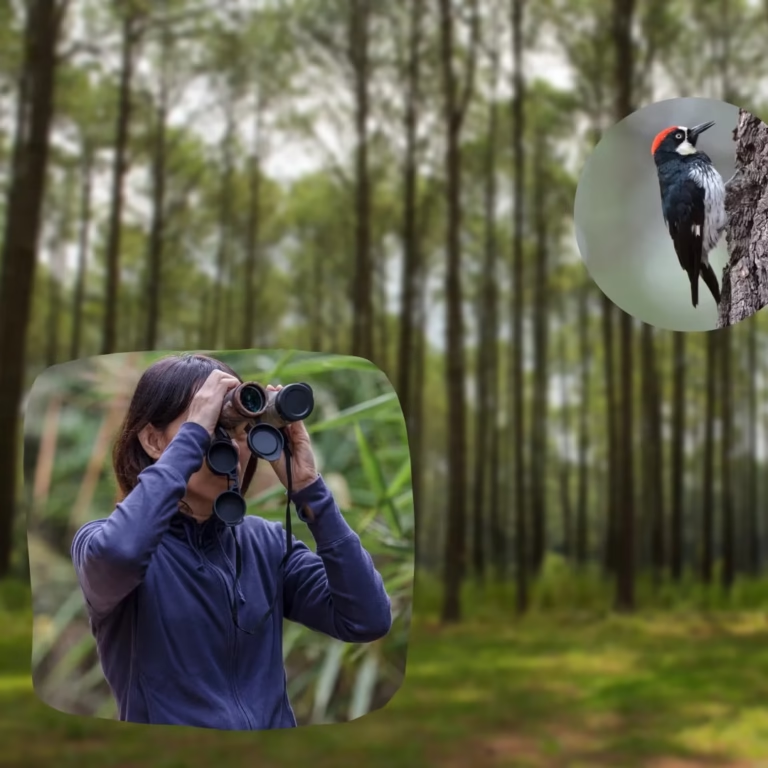
A 9-Day Honeymoon Birdwatching in Meru National Park for Solo Travellers adapts the relaxed qualities of a honeymoon journey for an independent traveler. Privacy, comfortable accommodation, beautiful scenery, unhurried mornings, and meaningful nature experiences can be just as valuable when traveling alone.
Meru National Park is particularly suited to a slower birding journey. Rivers, woodland, bush, open grassland, and wet areas create varied habitats. Birds change across these environments, allowing each day to develop a different focus.
Nine days provide enough time to move beyond simple species counting. Travelers can listen to calls, study feeding behavior, improve identification skills, and revisit productive habitats under different conditions.
The park also supports significant larger wildlife. Elephants, giraffes, buffaloes, rhinos, antelopes, and predators can appear during birding drives. These encounters complement the experience without changing its main focus.
Why Choose Meru for a Solo Birding Safari?
Solo travel allows birdwatchers to spend time according to personal interests.
A private guide does not need to leave a productive bird because unrelated guests want to search for larger animals.
Meru's habitat diversity also makes a longer stay worthwhile.
The quiet nature of birding suits travelers who value observation more than a fast-moving safari schedule.

Detailed Itinerary
-
DAY
1
Travel From Nairobi to Meru
Meet your guide after breakfast and begin traveling toward Meru National Park.
The journey crosses changing central Kenyan landscapes before reaching the warmer country around the park.
Suitable stops can introduce common roadside birds without making the transfer excessively long.
Arrive at the selected accommodation and enjoy lunch.
Spend part of the afternoon resting before the first game drive.
Begin with easily observed birds and become familiar with the main habitats.
Elephants, giraffes, or other mammals may appear naturally during the drive.
Return for dinner and organize binoculars and photography equipment.

-
DAY
2
Riverine Birdwatching
Begin early when bird activity remains high.
Explore suitable river habitats where water and vegetation support diverse species.
Kingfishers and other water-associated birds may become important subjects.
Herons and additional wetland species can appear according to local conditions.
Listen as much as you look. Calls often reveal birds hidden within vegetation.
Spend enough time at productive locations for quieter species to emerge.
Return for lunch and a midday rest.
The afternoon can revisit water habitats under softer light or explore nearby woodland.
-
DAY
3
Woodland Birds and Smaller Species
The third morning concentrates on woodland and bush.
Smaller birds require patience because they move quickly and often remain partly hidden.
Your guide can help identify species using calls, behavior, shape, and habitat.
Avoid concentrating entirely on rare birds. Common species can reveal fascinating interactions when observed carefully.
Return for lunch and rest.
Later, take another birding drive through a different woodland section.
Photography becomes easier as the light softens.
Return for a quiet evening at the accommodation.

-
DAY
4
Birds and Meru's Larger Wildlife
Begin another early drive while remaining open to both birds and mammals.
Meru's larger wildlife provides useful ecological context.
Elephants can alter vegetation, while grazing animals influence insects and plant communities. Birds respond to these changes in different ways.
Rhinos can also form part of the wider conservation experience.
Any rhino encounter should remain respectful and follow the guide's instructions.
Spend time with birds around open habitats before returning for lunch.
The afternoon remains flexible and can include another short drive or quiet lodge birding.
-
DAY
5
Full-Day Birding Exploration
The fifth day allows a more extended field session.
Leave early and travel toward habitats that have received less attention.
A picnic lunch can be arranged when remaining in the field makes sense.
Spend longer at productive areas rather than covering unnecessary distance.
Raptors may become a focus across open country.
Watch flight shape and behavior rather than relying only on plumage.
Continue through the afternoon before returning to the accommodation.
-
DAY
6
Bird Photography Day
By the sixth day, the traveler will recognize many frequently encountered birds.
This makes it easier to concentrate on photography.
Choose cooperative subjects in good light. A common species on an uncluttered perch can produce an excellent image.
A telephoto zoom provides useful flexibility from the safari vehicle.
Avoid approaching nests closely for photographs.
Return for lunch and review images during the break.
Later, return to the field and concentrate on environmental photographs showing birds within Meru's habitats.

-
DAY
7
Conservation and Wildlife Diversity
The seventh day broadens the journey toward conservation.
Bird populations depend on healthy habitats, clean water, functioning food chains, and protected landscapes.
Your guide can explain how conservation efforts aimed at larger wildlife also support birds and smaller species.
Where an appropriate conservation experience is available, it can be included according to current arrangements.
Spend the afternoon birding at a relaxed pace.
By now, familiar calls and species should make the environment feel very different from the first day.

-
DAY
8
Flexible Solo Birding Day
The eighth day belongs largely to the traveler's interests.
Return to a favorite river, woodland area, or open habitat.
Those building a species list can concentrate on birds that remain unseen.
Photographers may prefer to revisit subjects under better light.
Others can simply enjoy slow observation without targets.
Take a substantial midday break and continue during the afternoon.
The final full evening provides time to review notes and photographs from the journey.
-
DAY
9
Final Birding and Departure
Begin with one final short birding drive.
Listen for familiar calls and notice how identification skills have improved.
Return for breakfast and prepare for departure.
Travel toward Nairobi or continue to another Kenya destination.
Your 9-Day Meru Birdwatching Safari for Solo Travellers concludes after an extended period of quiet observation, wildlife, and varied habitats.
Turning a Honeymoon Theme Into a Solo Escape
The sitemap combines honeymoon travel with solo travel.
Instead of assuming a couple is present, the itinerary uses the qualities normally associated with a honeymoon.
Privacy, attractive accommodation, unhurried meals, scenic surroundings, and personalized activities can create a restorative solo journey.
This approach keeps the itinerary relevant without forcing a couple-focused narrative.
Meru's Birding Habitats
Meru's habitat diversity is central to its birding appeal.
Riverine vegetation supports different species from open grassland.
Woodland provides cover for smaller birds, while wet areas attract water-associated species.
Exploring these environments repeatedly produces a deeper understanding than a single fast game drive.
Birding and Big Wildlife
Birdwatchers do not need to ignore larger wildlife.
Elephants, giraffes, buffaloes, antelopes, rhinos, and predators contribute to the ecosystem.
These animals also create excellent breaks between intensive bird identification sessions.
A balanced approach makes a nine-day stay more enjoyable.
Solo Birding With a Private Guide
Private guiding gives a solo traveler control over the pace.
The vehicle can stop whenever a bird requires closer observation.
The guide can also adjust explanations according to the traveler's knowledge.
Beginners may focus on common families, while experienced birders can spend more time on detailed identification.
Bird Photography
A telephoto zoom provides flexibility for birds at different distances.
Fast shutter speeds help when subjects move quickly.
Photographers should concentrate on light, background, and behavior.
Ethical distance remains more important than filling the frame.
Comfortable Accommodation
A longer solo safari benefits from comfortable accommodation.
Travelers should choose a property that provides reliable meals, restful rooms, and convenient access to wildlife areas.
Luxury is not essential, but a peaceful setting can strengthen the honeymoon-inspired character.
Nine nights of constant packing are avoided by using Meru as the main base.
Best Time for Meru Birding
Meru offers birding throughout the year.
Seasonal rainfall changes vegetation and water conditions.
Migratory species can increase diversity during suitable periods.
The ideal dates depend on birding priorities, photography interests, and any additional Kenya destinations.
Responsible Birdwatching
Birds should not be disturbed for identification or photography.
Avoid excessive use of recorded calls around sensitive species.
Nesting areas deserve particular care.
Responsible observation protects the natural behavior that makes birdwatching rewarding.
Plan Your Meru Solo Birding Escape
A 9-Day Honeymoon Birdwatching in Meru National Park for Solo Travellers provides a peaceful alternative to a fast-paced Kenya safari.
Meru's rivers, woodland, open landscapes, birds, and larger wildlife create enough variety for an extended stay.
Private guiding gives the traveler complete control over birding priorities and daily pacing.
For solo travelers seeking nature, privacy, and time to observe rather than rush, nine days in Meru offer a deeply rewarding experience.
Accommodation Options in Kigali


Ready to Experience This Honeymoon Safari?
Let our expert team customise this 9-day itinerary to match your interests and travel dates.
