
8 Day Luxury Safari
8-Day Photographic Walking safari in Tsavo East National Park for Luxury travellers
Explore Tsavo East on an 8-day luxury photographic safari combining wildlife drives with approved guided walking experiences in Kenya.
- Luxury Experience Premium lodges & service
- Wildlife Safari An unforgettable encounter
- Kigali Experience Culture, dining & relaxation
- Tailor-Made Customised for you
Overview
Photograph Tsavo East From Vehicle and Ground Level
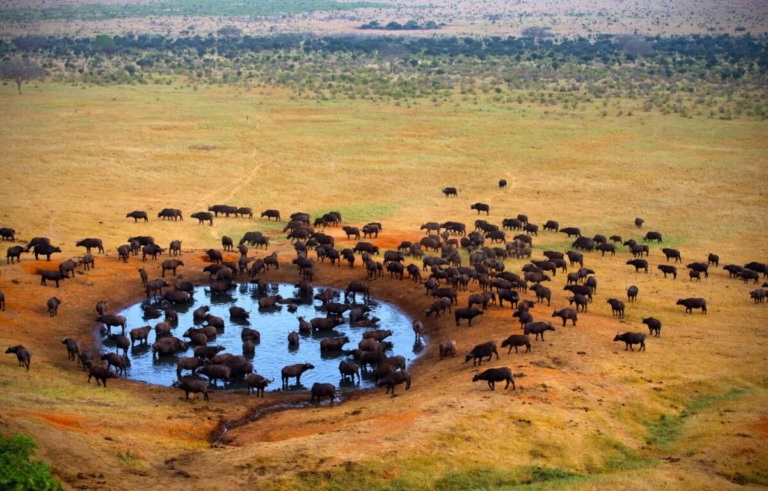
An 8-Day Photographic Walking Safari in Tsavo East National Park for Luxury Travellers combines traditional game drives with carefully arranged walking experiences where current regulations permit. Tsavo East is known for expansive landscapes, red soils, elephants, seasonal rivers, bushland, and a powerful sense of wilderness.
Walking adds a different perspective, but it must never be treated casually in an environment containing large wild animals. Activities should only take place in approved locations with appropriately qualified guides and according to current protected-area regulations.
This itinerary therefore does not suggest unrestricted walking through predator or elephant habitat. Vehicle-based photography remains central. Approved walks add opportunities to study tracks, plants, insects, birds, landscapes, and smaller details that are easily missed from a vehicle.
Luxury accommodation and private guiding create a comfortable base between activities. Eight days provide enough time to photograph patiently without spending every daylight hour in the field.
Detailed Itinerary
-
DAY
1
Arrival in the Tsavo East Region
Travel from Nairobi, Mombasa, or another agreed starting point toward Tsavo East National Park.
The final transfer can be arranged by road or another suitable option according to the wider itinerary.
Arrive at the selected luxury accommodation and settle into the room.
Spend the first afternoon resting before beginning an introductory game drive.
Your photographic guide can assess experience levels and discuss preferred subjects.
Elephants may become an early focus, while giraffes, zebras, buffaloes, antelopes, and birds add variety.
Use the first drive to understand the landscape rather than attempting to photograph everything immediately.
Return for dinner and prepare equipment for the following morning.

-
DAY
2
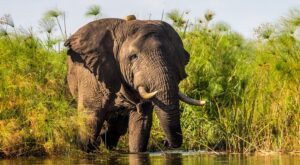
Tsavo Elephant Photography
Leave early and search areas where elephants have recently been active.
Morning light can emphasize the texture created by dust on their skin.
When a herd is located, maintain enough distance for natural behavior. Family groups with calves deserve particular space.
Photographers should watch interactions rather than concentrate only on portraits.
A calf following an adult or elephants using their trunks socially can produce meaningful images.
Spend the remainder of the morning exploring other wildlife habitats.
Return for lunch and rest during the warmer period.
The afternoon drive provides another opportunity to photograph elephants and landscapes under softer light.
Return to the accommodation for dinner.
-
DAY
3
Approved Guided Walking and Nature Photography
Begin the day with an appropriate guided walking safari where such an activity is currently permitted.
Listen carefully to the safety briefing. The professional guide determines the route and how the group responds to wildlife.
Walking changes the scale of the safari. Tracks, plants, insects, feathers, dung, and subtle signs become much more noticeable.
Photography can concentrate on details that are easily missed from a vehicle.
A standard or wider lens may become more useful than a large telephoto lens during this activity.
The purpose is not to approach dangerous animals on foot. Large wildlife should always be handled according to the guide's safety instructions.
Return to the lodge for breakfast or lunch and rest.
Later, resume vehicle-based photography.
The afternoon can concentrate on wider landscapes that complement the morning's detailed images.
-
DAY
4
Predators and Wildlife Behavior
Begin early and explore areas where predators have recently been active.
Lions occur within Tsavo East, although the park's scale can make searching challenging.
Other predators and scavengers also form part of the ecosystem.
A photographic safari benefits from patience. Even when a lion appears to be resting, subtle interactions can develop over time.
Avoid demanding aggressive vehicle positioning.
Continue photographing herbivores and birds between predator searches.
Return for a long midday break.
The afternoon drive can revisit productive areas or concentrate on another habitat.

-
DAY
5
River Landscapes and Wildlife
The fifth day focuses more heavily on landscapes shaped by water and seasonal conditions.
River systems influence wildlife distribution and provide strong photographic settings.
Animals may gather around available water, particularly under drier conditions.
Birds can also become productive subjects in these environments.
Spend time creating images that show the relationship between wildlife and habitat.
A telephoto lens can isolate animals, while wider compositions reveal the surrounding landscape.
Return for lunch and enjoy the luxury of several quiet hours at the lodge.
Later, head out again for sunset conditions.
-
DAY
6
Second Walking and Photography Experience
Where regulations, conditions, and the selected program permit, undertake another guided walking experience.
The second walk becomes more rewarding because travelers already understand basic tracks and ecological signs.
Concentrate on composition rather than covering distance.
Tree bark, footprints, plants, insects, rocks, and distant landscapes can all become photographic subjects.
The guide may explain how animals use the environment even when they are not visible.
Return to the accommodation and rest.
During the afternoon, continue with a private game drive.
This combination of walking and vehicle photography creates a more complete visual record of Tsavo.
-
DAY
7
Full-Day Photographic Safari
The seventh day provides a final full opportunity to concentrate on wildlife photography.
Leave early and revisit the habitats that produced the strongest encounters.
Photographers may want another session with elephants or a chance to improve predator images.
Others may concentrate on birds or wider landscapes.
The guide can adjust the day according to the existing image collection.
Enjoy lunch according to the chosen arrangement.
Continue through the afternoon and use the final light carefully.
Return for the last full evening in Tsavo East.
-
DAY
8
Final Photography and Departure
Begin with a shorter morning drive when departure timing permits.
Instead of searching widely, concentrate on creating a few final images that represent the destination.
An elephant against red earth or a giraffe within the open landscape can provide a strong conclusion.
Return for breakfast and prepare for departure.
Travel toward the agreed airport, railway connection, coastal destination, or Nairobi.
Your 8-Day Tsavo East Photographic Safari concludes after combining wildlife photography with carefully managed ground-level experiences.
Why Tsavo East Appeals to Photographers
Tsavo East has a strong visual identity. Red earth, broad horizons, dry vegetation, river systems, and wildlife create photographs that immediately communicate the landscape.
Elephants are particularly famous within the wider Tsavo ecosystem. Dust can cover their skin and produce the reddish appearance associated with the region.
The park's scale also encourages environmental photography. Animals can be shown within enormous landscapes rather than always filling the frame.
Repeated game drives allow photographers to work with changing light and weather.
Walking Safaris and Safety
Walking in a major wildlife ecosystem requires professional supervision.
Travelers should never leave vehicles independently inside areas where this is prohibited.
Approved walking activities depend on local regulations, weather, wildlife conditions, and guide assessments.
The guide's safety instructions take priority over photography.
A walking safari should increase understanding of the ecosystem rather than create unnecessarily close wildlife encounters.
Photographing Tsavo's Red Elephants
Tsavo elephants can appear reddish because dust from local soils coats their natural grey skin.
This creates striking photographic conditions.
Morning and afternoon light can intensify warm tones across the landscape.
Wider images showing elephants within red earth often communicate the character of Tsavo better than extremely tight portraits.
Luxury Photography Travel
Luxury photography travel should provide comfort without isolating visitors from the destination.
Private guiding allows photographers to spend more time with promising subjects.
A comfortable lodge provides essential rest after early mornings and long drives.
Good meals, reliable charging facilities, and appropriate equipment storage also improve the experience.
Camera Equipment for Tsavo
A versatile telephoto zoom handles most wildlife situations.
A wider lens becomes useful for landscapes and approved walking activities.
Carry enough batteries and memory cards for repeated drives.
Dust protection is essential because Tsavo's dry conditions can affect cameras and lenses.
Best Light for Photography
Early morning and late afternoon generally provide softer light.
Midday conditions can still work for documentary photography, especially when cloud reduces harsh shadows.
Photographers should adapt rather than stop shooting simply because conditions are imperfect.
Dust, clouds, and dramatic skies can create distinctive images.
Responsible Photography
Wildlife should never be pressured for a photograph.
Vehicles must follow current park rules and maintain appropriate distances.
Walking groups should obey every instruction from professional guides.
Ethical photography produces a more accurate record of wildlife behavior and protects the animals being photographed.
Best Time for Tsavo East
Tsavo East can provide rewarding wildlife experiences during different seasons.
Drier conditions create dusty landscapes and can influence wildlife concentration.
Rain transforms vegetation and produces a greener photographic environment.
Travelers should choose dates according to preferred visual conditions and the wider Kenya itinerary.
Plan Your Tsavo East Photographic Safari
An 8-Day Photographic Walking Safari in Tsavo East National Park for Luxury Travellers combines patient wildlife photography with a deeper appreciation of the landscape.
Vehicle-based game drives remain the main method for safely photographing large wildlife. Approved guided walks add tracks, plants, birds, and smaller ecological details.
Eight days provide enough time for changing light, repeated wildlife encounters, and meaningful rest.
For luxury travelers seeking a photography-focused safari with carefully managed walking experiences, Tsavo East offers a distinctive Kenyan wilderness.
Accommodation Options in Kigali


Ready to Experience This Luxury Safari?
Let our expert team customise this 8-day itinerary to match your interests and travel dates.
