
8 Day Luxury Safari
8-Day Photographic Eastern lowland gorilla trekking in Goma for Luxury travellers
Plan an 8-day eastern lowland gorilla photography safari from Goma with private guiding, luxury travel planning and responsible trekking advice.
- Luxury Experience Premium lodges & service
- Gorilla Trekking An unforgettable encounter
- Kigali Experience Culture, dining & relaxation
- Tailor-Made Customised for you
Overview
Understanding Eastern Lowland Gorillas
An 8-Day Photographic Eastern Lowland Gorilla Trekking in Goma for Luxury Travellers is designed for wildlife enthusiasts who want more than a brief primate encounter. Eastern lowland gorillas, also called Grauer's gorillas, occur only in the Democratic Republic of Congo. Their restricted distribution makes seeing them a particularly significant wildlife experience.
Photography adds another dimension to the journey. Rather than simply observing the gorillas, photographers pay attention to behavior, relationships, forest light and the environment surrounding each animal. A young gorilla interacting with its mother can become as memorable as a powerful silverback portrait.
The journey begins from Goma as a logistical gateway, but travelers should understand that eastern lowland gorilla trekking requires access to appropriate habitat elsewhere in eastern Congo. The exact trekking destination must be confirmed according to current park operations, access conditions and official travel guidance.
Eight days provide useful flexibility for these logistics. They also allow photographers time to prepare properly and explore additional cultural or natural experiences around the confirmed route.
Eastern lowland gorillas are the largest gorilla subspecies and are restricted to forests within the Democratic Republic of Congo.
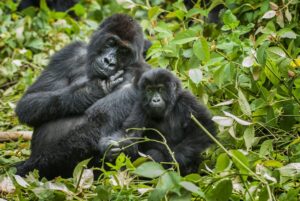
Their size can be striking, particularly when observing an adult silverback. Yet their behavior often reveals a quieter side. Family groups spend significant time feeding, resting and interacting.
Young gorillas may play while adults remain nearby. Females care closely for infants, while the dominant silverback plays an important role in group protection and stability.
These relationships create excellent opportunities for gorilla photography.
Photographers should look beyond isolated portraits. Images showing several individuals interacting can communicate more about gorilla society than a simple close-up.

Detailed Itinerary
-
DAY
1
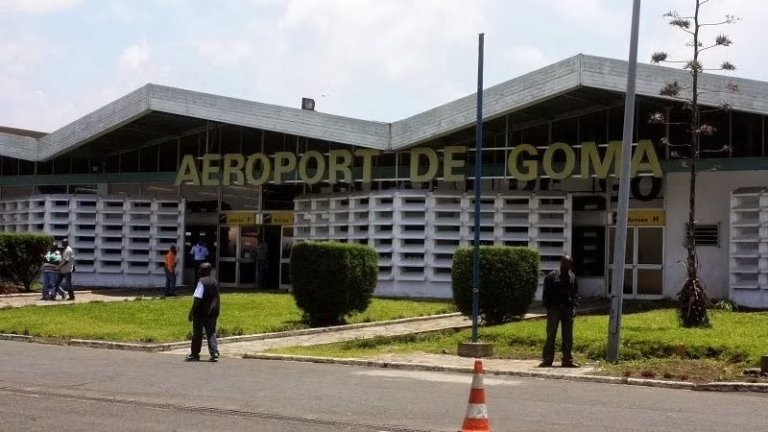
Arrival in Goma and Photography Briefing
Arrive through the confirmed regional entry point and meet your private representative.
Transfer to comfortable accommodation where you can rest after the journey.
Later, meet your guide for a detailed briefing.
Discuss the current trekking route, expected travel conditions and the photographic equipment you plan to carry.
Professional photographers sometimes travel with several camera bodies and heavy lenses. Forest trekking can make excessive equipment difficult to manage.
Your guide can help determine what is practical.
Use the evening to charge batteries and organize memory cards.
A quiet first night provides useful recovery before the regional journey continues.
Accommodation: Selected premium hotel or lodge Meal Plan: According to selected package
Accommodation: Selected premium hotel or lodge
-
DAY
2
Goma, Lake Kivu and Regional Context
After breakfast, spend part of the day understanding Goma and its environment.
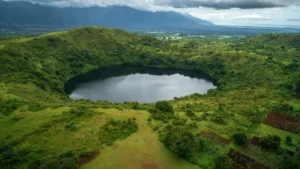
The city sits beside Lake Kivu within a dramatic volcanic region. A guided drive can introduce the geography and provide context for the wider journey.
Photographers may find interesting landscape and cultural opportunities around appropriate locations.
Lake Kivu can provide beautiful compositions, particularly when softer light reveals the surrounding hills.
Spend the afternoon at a relaxed pace.
The following days may involve significant travel and forest trekking, so there is little value in beginning the journey already exhausted.
Return to the accommodation and prepare for the transfer toward the confirmed gorilla region.
-
DAY
3
Transfer Toward the Gorilla Trekking Destination
After breakfast, begin the professionally arranged transfer toward the confirmed eastern lowland gorilla trekking area.
The actual route must depend on current access and operating conditions.
Your guide will provide updates throughout the journey.
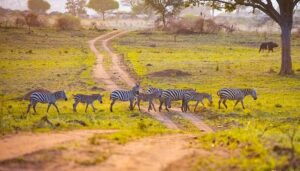
Travel days can also provide photography opportunities. Landscapes, villages and changing vegetation reveal the diversity of eastern Congo.
However, avoid photographing people from the vehicle without consideration.
When you want a close cultural portrait, your guide can help request permission.
Arrive at the accommodation and settle in.
The evening includes a detailed trekking briefing and final equipment preparation.
-
DAY
4
Eastern Lowland Gorilla Trekking and Photography
Wake early and prepare for the central experience of the safari.
After breakfast, travel to the appropriate ranger briefing location.
Guides explain trekking regulations, expected terrain and gorilla viewing behavior.
The forest walk can vary considerably in duration. Gorillas move through their natural habitat, meaning trackers must locate the assigned family.
Carry only essential photographic equipment.
A porter is strongly recommended for photographers. Camera equipment becomes surprisingly heavy after several hours on uneven terrain.
Once trackers locate the gorillas, remain calm and follow ranger instructions.
Forest light can be difficult, so photographers should adjust settings quickly without becoming distracted from the animals.
Watch for behavior rather than concentrating only on portraits.
After the permitted encounter, trek back and return to the lodge.
-
DAY
5
Forest Environment and Photography Review
After the previous day's trek, enjoy a slower morning.
Review your images while memories of the encounter remain fresh.
Look beyond technical sharpness. Some of the strongest wildlife photographs communicate relationships or a sense of habitat.
A photograph showing a gorilla partially surrounded by vegetation can sometimes tell a stronger story than a tightly framed portrait.
Later, enjoy a suitable nature experience around an officially accessible area.
Your guide can explain the wider forest ecosystem supporting gorillas.
Understanding habitat improves photography because it encourages visitors to create environmental images rather than focusing only on animals.
Return to the lodge for a comfortable evening.
-
DAY
6
Cultural and Conservation Experience
Gorilla conservation cannot be separated completely from the people living around forest landscapes.
Today introduces an appropriate cultural or conservation experience according to current arrangements.
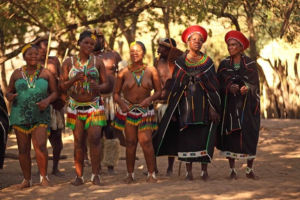
Learn how communities interact with the surrounding environment and how tourism can create economic opportunities.
Guides, porters, drivers and hospitality staff all form part of the tourism economy.
Photographers should approach community encounters with the same ethical standards used around wildlife.
Ask before taking portraits and spend time talking with people where appropriate.
The day creates a broader understanding of what conservation means beyond park boundaries.
-
DAY
7
Return Toward Goma
After breakfast, begin the return journey according to the confirmed route.
Travel at a comfortable pace and stop at appropriate scenic locations when conditions allow.
The return journey can provide another opportunity for landscape photography.
After reaching Goma, check into your accommodation and rest.
Later, enjoy a relaxed evening beside Lake Kivu or another suitable location.
This final night provides a buffer between regional travel and your departure.
It also gives photographers time to back up images before continuing their journey.

-
DAY
8
Departure
Enjoy breakfast before preparing for departure.
Depending on timing, a short final photography session may be possible.
You may revisit a lakeside viewpoint or another suitable location identified earlier in the journey.
Return to the hotel and collect your luggage.
Your private driver then transfers you to the confirmed departure point.
Travelers continuing through Rwanda or Uganda should ensure that their entry documentation is prepared.

Choosing Camera Equipment for Gorilla Trekking
The best equipment is not necessarily the heaviest equipment.
Forest conditions make mobility important.
A versatile zoom lens can reduce the need to change lenses while moving through vegetation.
A second camera body may be useful for serious photographers, although it adds weight.
Fast lenses can help in low light, but large professional lenses become difficult to carry over steep terrain.
Photographers should balance image quality with practicality.
A porter can carry equipment during the trek, but you still need to manage cameras during the actual gorilla encounter.
Photographing Gorillas in Low Light
Forest light changes constantly.
A gorilla may move from a shaded area into brighter vegetation within seconds.
Photographers should become comfortable adjusting exposure quickly.
Modern cameras perform well at higher ISO settings. Do not allow fear of digital noise to produce blurred images through an unnecessarily slow shutter speed.
Focus on the eyes when photographing portraits.
For interactions, use enough depth of field to keep several animals acceptably sharp when possible.
Practice these techniques before the journey.
Photographing Gorilla Behavior
Behavior creates storytelling images.
Watch how mothers interact with infants and how younger gorillas play.
Observe how the silverback positions himself within the family.
Do not assume that the largest gorilla must appear in every important photograph.
Quiet moments can produce equally powerful images.
A hand resting against vegetation or an infant looking toward an adult can communicate intimacy.
Patient observation usually produces better results than continuously taking photographs without considering the scene.
Hiring a Porter
Photographers should seriously consider using a porter.
Camera equipment, water and rain protection can become heavy during long forest walks.
A porter reduces the physical strain and helps you conserve energy for photography.
Porters may also provide support over slippery or uneven sections.
Their employment creates direct economic benefits associated with gorilla tourism.
Using a porter therefore improves both personal comfort and the local economic contribution of the trek.
Responsible Gorilla Photography
No photograph is worth disturbing a gorilla.
Follow ranger instructions throughout the encounter.
Never attempt to move closer simply because vegetation blocks your composition.
Do not remove plants to create an artificial view.
Flash photography should not be used around gorillas.
Keep movements controlled and avoid loud conversation.
When a gorilla changes position, allow the ranger to guide the group's response.
Ethical eastern lowland gorilla photography should document natural behavior without creating unnecessary pressure on the animals.
Luxury Elements of the Journey
Luxury can make a demanding wildlife journey more comfortable.
Private transportation reduces waiting and allows more control over rest stops.
Comfortable accommodation provides a valuable place to recover after trekking.
Quality meals and attentive service also matter when travelers spend long days outdoors.
However, the greatest luxury may be professional organization.
Reliable logistics allow photographers to concentrate on their experience rather than worrying constantly about transfers and permits.
Fitness for Gorilla Trekking
Forest trekking requires reasonable fitness.
Travelers should prepare through regular walking before departure.
Hill training can help because natural gorilla habitats often involve slopes.
Strengthening the legs and improving balance can also be useful.
Do not underestimate muddy conditions.
A route that appears manageable in dry weather can become significantly more difficult after rain.
Travelers with health concerns should seek suitable medical guidance before participating.
Gorilla Trekking Permits
A valid permit is required for the confirmed gorilla experience.
Permit conditions, prices and availability should be verified during booking.
Do not purchase unrelated non-refundable travel arrangements before the trekking date has been properly confirmed.
Passport information may be required for permit processing.
Travelers should provide accurate details that match their documents.
Keep the passport available during the safari because identity checks may be required.
Current Conditions in Eastern Congo
Travel conditions in eastern Democratic Republic of Congo can change quickly.
The final route for this itinerary must depend on current official access and local operating conditions.
A published tour description does not guarantee that a particular protected area is open.
Travelers should consult official travel guidance before departure.
When the intended gorilla destination is inaccessible, the journey should be postponed or adjusted.
Never attempt to enter restricted areas through unofficial arrangements.
Plan Your Gorilla Photography Safari
An 8-Day Photographic Eastern Lowland Gorilla Trekking in Goma for Luxury Travellers provides photographers with time to prepare for one of Central Africa's remarkable wildlife experiences.
The journey combines gorilla trekking with forest ecology, conservation understanding and opportunities for cultural and landscape photography.
Private transportation and comfortable accommodation reduce unnecessary stress, while professional guides provide essential logistical and wildlife knowledge.
Photographers should travel lightly enough to move safely through the forest and remain ready for changing conditions.
Responsible behavior must guide every photograph.
When official access and regional conditions permit, an eastern lowland gorilla photography journey can produce far more than impressive images. It can provide a deeper understanding of one of Africa's most extraordinary great apes and the forests on which they depend.
Accommodation Options in Kigali


Ready to Experience This Luxury Safari?
Let our expert team customise this 8-day itinerary to match your interests and travel dates.