
6 Day Classic Safari
6-Day Photographic Tea plantation tour in Huye for Photographers
Explore Huye and Rwanda's tea country on a 6-day photography tour featuring plantations, cultural heritage, landscapes and Nyungwe scenery.
- Classic Experience Handpicked Lodges & Hotels
- Wildlife Safari An unforgettable encounter
- Kigali Experience Culture, dining & relaxation
- Tailor-Made Customised for you
Overview
Discovering Huye Before the Tea Country
A 6-Day Photographic Tea Plantation Tour in Huye for Photographers combines southern Rwanda's cultural heritage with some of the country's most attractive agricultural landscapes. Huye provides an excellent starting point for photographers because the city is surrounded by cultivated hills and lies on a practical route toward the tea-growing highlands associated with southwestern Rwanda and the Nyungwe region.
The tour is not simply about photographing rows of tea plants. It provides an opportunity to understand how agriculture shapes Rwanda's landscape, how tea contributes to rural livelihoods, and how communities interact with the highland environment. For photographers, these relationships create a richer visual story than plantation scenery alone.
Six days also provide enough time to work at a deliberate pace. Instead of arriving at a plantation in harsh midday light and leaving quickly, photographers can explore cultural subjects, landscapes and agricultural scenes under different conditions.
Huye, historically known as Butare, is one of Rwanda's most important cultural and educational centres. Beginning here gives photographers valuable context before moving into rural landscapes.
The city provides opportunities to photograph streets, architecture and everyday activity. Surrounding areas reveal cultivated hills and communities that show how closely agriculture is connected with daily life.
A knowledgeable guide can help photographers identify meaningful subjects without turning the experience into a rushed sightseeing programme.
This introductory period is especially valuable for international photographers who may be visiting Rwanda for the first time.
Detailed Itinerary
-
DAY
1
Day one can begin with arrival in Huye and an introductory photography session around the city or nearby landscapes.
Day one can begin with arrival in Huye and an introductory photography session around the city or nearby landscapes. The programme should remain relatively light after travel.
-
DAY
2
Day two can explore cultural heritage and selected communities around Huye, giving photographers a broader understanding of southern Rwanda.
Day two can explore cultural heritage and selected communities around Huye, giving photographers a broader understanding of southern Rwanda.
-
DAY
3
Day three can travel toward the tea-growing highlands, stopping at appropriate viewpoints and agricultural landscapes along the route.
Day three can travel toward the tea-growing highlands, stopping at appropriate viewpoints and agricultural landscapes along the route.
-
DAY
4
Day four can provide the main photographic tea plantation experience, with enough time to explore wide landscapes, details and human activity.
Day four can provide the main photographic tea plantation experience, with enough time to explore wide landscapes, details and human activity.
-
DAY
5
Day five can combine another tea session with nearby nature or cultural photography.
Day five can combine another tea session with nearby nature or cultural photography. Travellers positioned near Nyungwe can also photograph the transition between cultivated hills and rainforest.
-
DAY
6
Day six provides a final morning session before continuing toward Kigali or another Rwanda destination.
Day six provides a final morning session before continuing toward Kigali or another Rwanda destination.
Understanding Rwanda's Tea Landscapes
Rwanda's elevation, rainfall and fertile highlands provide favourable conditions for tea cultivation.
The resulting plantations create striking patterns. Lines of carefully maintained bushes follow hillsides, producing natural geometry that changes according to viewpoint and light.
For a photographer, a Rwanda tea plantation tour provides opportunities to work with repetition, texture, colour and human activity.
The strongest photographs often combine the landscape with the people who cultivate it, creating images that explain rather than merely decorate.
Travelling Toward the Tea-Growing Highlands
From Huye, the itinerary can continue toward suitable tea-producing areas in southwestern Rwanda.
The journey itself offers numerous photographic possibilities. Villages, farms and rolling hills reveal a countryside shaped by intensive agriculture.
Private transportation is particularly useful for photographers because it allows appropriate stops when conditions are interesting.
A dramatic cloud formation, roadside landscape or unexpected agricultural scene may provide some of the strongest images of the journey.
Photographing Tea Plantations
Tea plantations can be photographed in many different ways.
A wide-angle composition can show the scale of the hills, while a telephoto lens can compress layers of plantation rows into graphic patterns.
Lower viewpoints emphasise the texture of tea bushes. Higher viewpoints reveal the relationship between agriculture and surrounding mountains.
Photographers should resist creating the same composition repeatedly. Six days provide enough time to explore different perspectives.
Working With Plantation Workers
People harvesting or maintaining tea can add scale and human context to plantation photographs.
However, workers are carrying out real jobs rather than performing for visitors.
Photographers should ask permission before creating close portraits. A local guide can facilitate communication and explain the purpose of the photography.
Respectful interaction often produces more natural images because subjects understand why the photographer is interested in their work.
Morning Light in the Plantations
Early morning can be particularly rewarding.
Low-angle light creates shadows between rows of tea, giving the landscape greater depth. Mist may settle across valleys and surrounding hills.
Rather than waiting only for clear conditions, photographers should work with the atmosphere available.
Mist can simplify backgrounds and create a sense of depth that disappears later in the day.
Photographing Tea in Rain
Rain should not automatically be considered a failed photography day.
Wet tea leaves can become intensely saturated, while clouds soften contrast across the landscape.
The challenge is protecting equipment.
A waterproof camera cover, protected backpack and several lens cloths should remain accessible. Photographers should also avoid changing lenses unnecessarily during heavy rain.
Tea Processing and Documentary Photography
Where appropriate visitor access is permitted, the tour can include an introduction to tea processing.
Fresh leaves pass through several stages before becoming finished tea. Understanding these processes gives photographers additional documentary subjects beyond the plantation.
Photography rules inside processing facilities must be confirmed before taking pictures.
Some working areas may restrict photography for operational or commercial reasons, and these limitations should always be respected.
Tea Tasting as Part of the Experience
A tasting provides a natural conclusion to the plantation experience.
Travellers can compare teas while learning how processing and quality affect flavour and aroma.
For photographers, the tasting also provides detail subjects such as tea leaves, cups and preparation.
These smaller images can strengthen a photographic story by connecting the expansive plantation landscapes with the finished product.
Combining Huye With Nyungwe
The tea-growing highlands around southwestern Rwanda connect naturally with Nyungwe Forest National Park.
The transition from plantation to rainforest can be visually dramatic.
Photographers can capture cultivated slopes in one part of the journey and dense natural forest in another, showing two very different forms of Rwanda's green landscape.
Optional Nyungwe activities can be added according to available time and photographic interests.
Optional Canopy Walk Photography
The Nyungwe canopy walkway can provide elevated views over the rainforest.
Photographers should be prepared to work handheld because movement on the suspended structure can make tripod photography impractical.
Wide-angle lenses can communicate the scale of the forest, while telephoto lenses isolate distant ridges and vegetation.
Those uncomfortable with heights should consider the experience carefully before including it.
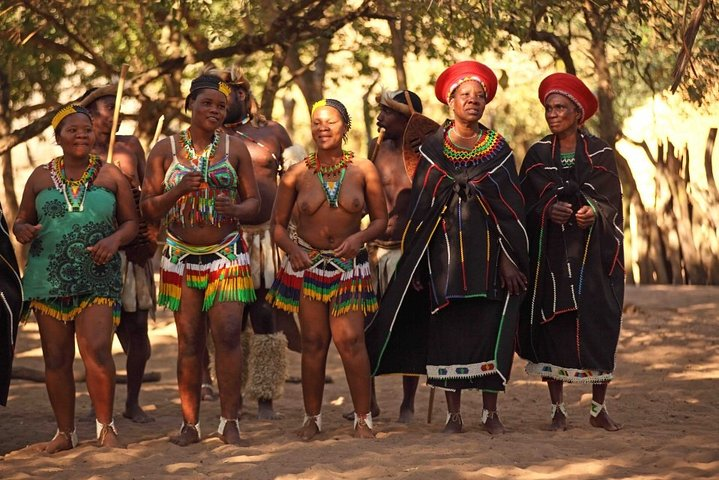
Cultural Photography in Huye
The journey should retain a strong cultural element rather than becoming entirely landscape focused.
Markets, agricultural communities and selected heritage experiences can help photographers understand the people behind the landscapes.
Permission is important when creating portraits.
Photographers should also avoid reducing Rwanda to traditional scenes alone. Contemporary life is equally important to an accurate visual story.
Equipment for the Photography Tour
A versatile lens combination is usually more useful than carrying excessive equipment.
A wide or standard zoom can handle landscapes and cultural subjects, while a telephoto lens is useful for compressed plantation patterns and distant details.
Spare batteries and memory cards are essential.
A lightweight tripod may be useful for landscape sessions, although it will not be practical in every location.
Accommodation for Photographers
Accommodation should provide reliable electricity for charging equipment.
Secure rooms are important when carrying cameras and computers.
Breakfast flexibility can be useful when sunrise photography requires an early departure.
A property close to the principal photography locations reduces unnecessary driving and makes it easier to return when light improves.
Best Time for Tea Photography
Rwanda's highlands remain green through much of the year, but conditions vary with rainfall.
Drier periods generally make outdoor photography and road access easier.
Wetter periods create exceptionally rich colour and dramatic cloud formations.
Photographers should choose dates according to the visual style they prefer rather than assuming completely dry weather is always superior.
Responsible Agricultural Photography
Visitors should remain on permitted routes and avoid damaging tea plants.
Workers should not be interrupted repeatedly for photographs.
Drones, where considered, require proper authorisation and should never be assumed to be permitted simply because the landscape appears suitable.
Respectful photography protects both the working environment and the relationship between tourism and local communities.
Why Six Days Work for Photographers
Photography depends heavily on conditions that cannot be controlled.
A one-day plantation visit may coincide with poor light or heavy rain. Six days provide greater flexibility because the itinerary includes multiple photographic environments.
Travellers can return to promising locations or change plans according to weather.
This flexibility improves both the photographic results and the overall enjoyment of the journey.
Plan Your Photographic Tea Plantation Tour
A 6-Day Photographic Tea Plantation Tour in Huye for Photographers provides far more than attractive green hills. It connects Rwanda's cultural heritage with agriculture, people and the landscapes leading toward Nyungwe.
Huye provides the cultural foundation, while the tea country supplies patterns, colour and documentary subjects.
With private transportation, patient photography and respectful interaction with plantation communities, six days can produce a varied collection of images that communicates the deeper character of southern Rwanda.
Accommodation Options in Kigali


Ready to Experience This Classic Safari?
Let our expert team customise this 6-day itinerary to match your interests and travel dates.
