
6 Day Classic Safari
6-Day Photographic Boat safari in Huye for Small groups
Explore southern Rwanda on a 6-day photographic boat safari from Huye with cultural heritage, wetland scenery and small-group travel.
- Classic Experience Handpicked Lodges & Hotels
- Boat Safari An unforgettable encounter
- Kigali Experience Culture, dining & relaxation
- Tailor-Made Customised for you
Overview
Discovering Huye Through Photography
A 6-Day Photographic Boat Safari in Huye for Small Groups combines the cultural landscapes of southern Rwanda with carefully selected water-based photography experiences. Huye itself is an inland city rather than a conventional boat safari destination, so the strongest itinerary uses the city as a cultural and logistical base before connecting travellers with suitable lakes, wetlands or other water environments.
This distinction is important for creating an accurate Rwanda journey. Huye is one of the country's most historically significant urban centres and provides access to museums, communities and the wider southern landscape. Boat photography can then be incorporated at an appropriate water destination rather than being inaccurately presented as an activity taking place in central Huye.
For photographers travelling in small groups, six days provide enough flexibility to work with changing light and weather while also documenting Rwanda's cultural character.
Huye, historically known as Butare, has long been associated with education and cultural heritage.
For photographers, the city and surrounding district provide opportunities to capture architecture, streets, markets and everyday activity.
The wider southern landscape adds cultivated hills and rural communities. These scenes help create a visual story that extends beyond conventional wildlife photography.
Small groups are ideal because photographers can move efficiently while still receiving individual guidance.
Cultural Heritage in Huye
A visit to the Ethnographic Museum in Huye can provide valuable context before photographing communities and cultural subjects.
Learning about Rwanda's history, material culture and traditions helps photographers understand what they encounter elsewhere in the country.
The museum visit itself should be treated as an educational experience rather than simply a photography location. Restrictions on photography inside exhibits should always be respected.
This background can lead to more thoughtful visual storytelling during later community visits.
Building the Boat Safari Into the Route
Because Huye is inland, the boat portion needs to be planned around an appropriate water destination.
The exact location can depend on the wider itinerary, road conditions and the type of photography the group wants to pursue.
Some travellers may incorporate water experiences while connecting toward western Rwanda. Others may build the itinerary toward a wetland or lake destination that complements the southern route.
The essential point is that the boat safari from Huye should be geographically realistic and professionally arranged.
Why Boats Are Valuable for Photography
Water changes perspective.
A boat can provide access to landscapes that appear completely different from the shoreline. Reflections, birds, vegetation and human activity can all be photographed from new angles.
The constantly changing position of the boat also forces photographers to work quickly.
A private or small-group vessel can be especially valuable because there is greater flexibility in positioning, subject to safety and navigation requirements.
Detailed Itinerary
-
DAY
1
Day one can involve arrival in Huye and an introductory photography session around the city or surrounding landscapes.
Day one can involve arrival in Huye and an introductory photography session around the city or surrounding landscapes.
-
DAY
2
Day two can concentrate on cultural heritage and carefully guided street or community photography.
Day two can concentrate on cultural heritage and carefully guided street or community photography.
-
DAY
3
Day three can begin the journey toward the selected water-based destination, using scenic stops along the route.
Day three can begin the journey toward the selected water-based destination, using scenic stops along the route.
-
DAY
4
Day four can provide the principal photographic boat safari, ideally timed for favourable morning or afternoon light.
Day four can provide the principal photographic boat safari, ideally timed for favourable morning or afternoon light.
-
DAY
5
Day five can include another landscape, birding or cultural photography session.
Day five can include another landscape, birding or cultural photography session.
-
DAY
6
Day six provides a final morning opportunity before returning toward Kigali or continuing elsewhere.
Day six provides a final morning opportunity before returning toward Kigali or continuing elsewhere.
Photographing From a Moving Boat
Boat photography requires different techniques from working on land.
Shutter speed becomes particularly important because both the photographer and subject may be moving.
Tripods are often impractical on smaller vessels. Handholding or using a compact support can be more effective.
Image stabilisation can help, but photographers still need to consider boat movement when selecting settings.
Protecting Camera Equipment
Water and electronics require careful management.
Camera bags should have effective rain or splash protection. Equipment not currently being used should remain secured.
Lens cloths should be accessible because spray can quickly affect the front element.
Photographers should also avoid changing lenses unnecessarily when conditions are wet or windy.
Bird Photography
Water environments often provide excellent opportunities for bird photography.
A telephoto lens allows photographers to capture birds without forcing the boat to approach too closely.
Guides familiar with bird behaviour can help identify likely locations and explain species encountered.
Photographers should avoid pressuring operators to disturb resting or feeding birds simply to obtain a closer image.
Landscape Photography
The photographic value of a boat safari extends beyond wildlife.
Reflections, clouds, shoreline vegetation and distant hills can produce strong compositions.
Wide-angle lenses work well when the environment itself is the subject.
Morning mist or unsettled weather may create more interesting images than completely clear skies.
Cultural Photography Around Huye
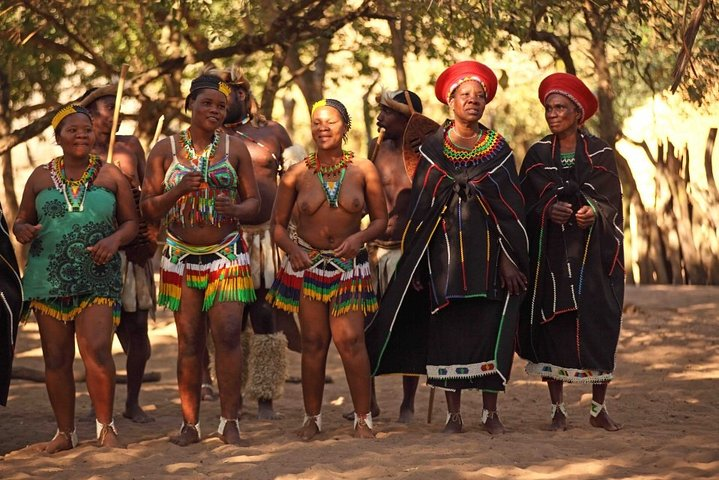
Southern Rwanda offers substantial cultural material for photographers.
Markets, agricultural activity and community life can provide meaningful subjects when approached respectfully.
Photographers should establish communication before taking close portraits.
A local guide is extremely useful because the guide can explain the purpose of the visit and help prevent misunderstandings.
Small-Group Advantages
Photography tours work particularly well with small groups because large groups can become difficult to position.
A small group can fit comfortably into a suitable vehicle and, depending on vessel capacity, may also share a boat without excessive crowding.
Guides can spend more time helping individuals understand locations and conditions.
The group can also make collective decisions about whether to remain at a productive location or move elsewhere.
Accommodation for Photographers
Accommodation should provide practical facilities for equipment.
Reliable electricity is essential for charging batteries. Secure rooms help protect cameras and computers.
Wi-Fi can be useful for backups, although photographers should also carry physical backup storage.
Early breakfast arrangements may be required when sunrise sessions are planned.
Best Light for Boat Photography
Early morning and late afternoon generally provide softer light than midday.
Morning conditions may also be calmer on some water bodies, although this varies by location and weather.
Late afternoon can create warm light and silhouettes.
A six-day itinerary provides enough flexibility to attempt more than one session rather than depending on a single weather window.
Photographing People Responsibly
A powerful travel portfolio can include people, but ethical standards are essential.
Photographers should avoid treating local residents as props.
Permission should be requested for close portraits, particularly when photographing children.
Images should represent people with dignity and context.
What to Pack
A wide-angle lens and telephoto lens provide useful coverage for landscapes, people and birds.
Spare batteries and memory cards are essential.
A waterproof camera cover and protected backpack should be carried even when rain is not forecast.
Comfortable walking shoes are necessary for Huye's cultural and urban photography sessions.
Seasonal Considerations
Rwanda can be photographed throughout the year.
Drier periods can simplify road travel and outdoor photography. Wetter periods provide lush landscapes and more dramatic cloud conditions.
Bird activity can also vary according to habitat and season.
Photographers should choose dates according to their primary subjects rather than expecting one season to be ideal for everything.
Responsible Boat Tourism
Safety must always come before photography.
Life jackets and instructions from the crew should be respected. Photographers should remain seated when requested.
Wildlife should not be chased or surrounded.
Nothing should be thrown into the water, and the group should leave no waste behind.
Extending the Photography Safari
The journey can be extended toward Nyungwe Forest for rainforest and primate photography.
Lake Kivu can add larger water landscapes and fishing activity.
Akagera National Park can provide classic wildlife photography for travellers with additional time.
However, the strongest photographic itineraries usually concentrate on a manageable number of locations rather than attempting to cover Rwanda too quickly.
Plan Your Huye Photographic Safari
A 6-Day Photographic Boat Safari in Huye for Small Groups creates a varied visual journey through southern Rwanda while incorporating a carefully selected water-based photography experience.
Huye provides cultural depth, architecture and everyday life. The boat component introduces reflections, birds, landscapes and a different way of viewing Rwanda's environment.
With small-group flexibility, responsible photography and geographically realistic planning, six days can produce a coherent photographic story rather than a collection of rushed snapshots.
Accommodation Options in Kigali


Ready to Experience This Classic Safari?
Let our expert team customise this 6-day itinerary to match your interests and travel dates.
