
6 Day Classic Safari
6-Day Photographic Birdwatching in Tarangire National Park for Seniors
Enjoy six days of photographic birdwatching in Tarangire with private game drives, comfortable pacing and diverse habitats designed for senior travelers.
- Classic Experience Handpicked Lodges & Hotels
- Wildlife Safari An unforgettable encounter
- Kigali Experience Culture, dining & relaxation
- Tailor-Made Customised for you
Overview
Why Tarangire for Bird Photography?
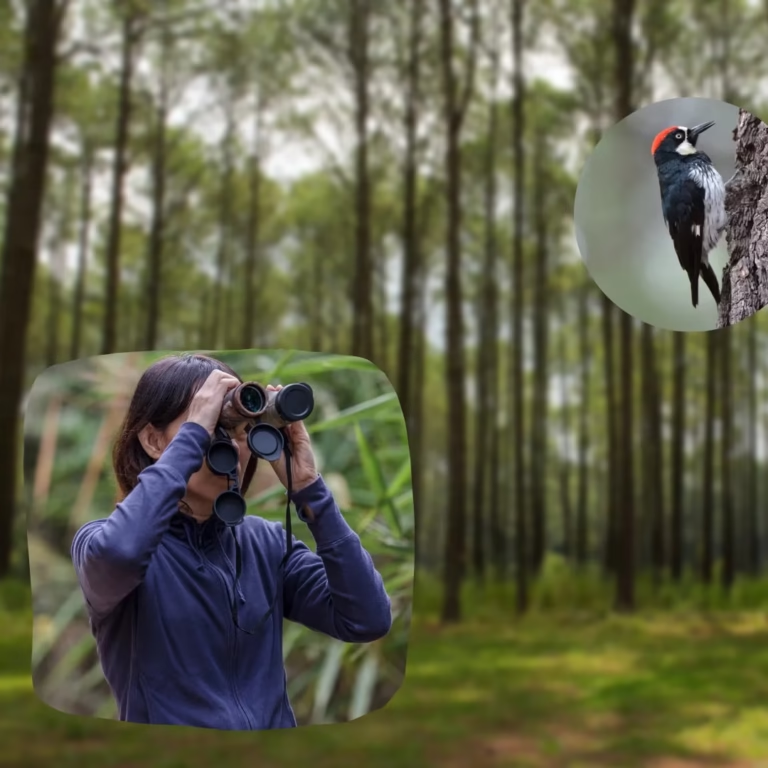
A 6-Day Photographic Birdwatching in Tarangire National Park for Seniors combines patient wildlife observation with one of northern Tanzania's most distinctive landscapes. Tarangire is famous for elephants and baobab trees, but its birdlife provides an equally compelling reason to spend several days inside and around the park.
For senior photographers, six days allow the itinerary to move at a comfortable pace. There is no need to rush between multiple national parks or remain in a vehicle for extremely long days. Instead, the safari can concentrate on productive habitats, changing light and repeated opportunities to photograph birds under different conditions.
Private guiding is particularly valuable. Birdwatchers can stop frequently, while photographers can remain with promising subjects rather than following the pace of a general safari group.
Tarangire contains varied habitats, including woodland, riverine areas, open grasslands and seasonal wetlands.
Each environment supports different bird communities.
Raptors may be seen scanning open landscapes, while smaller species occupy woodland and bush.
Water-associated birds can become prominent around suitable wet areas.
The Tarangire River is an important ecological feature and influences wildlife distribution, particularly during dry conditions.
Large mammals provide an additional photographic dimension. Elephants, giraffes, zebras and antelopes can appear while you are searching for birds.
This combination prevents the safari from becoming visually repetitive.

Detailed Itinerary
-
DAY
1
Arusha to Tarangire
Begin from Arusha after breakfast.
The drive to Tarangire is manageable compared with journeys to more distant parts of the northern circuit.
For senior travelers, this reduces fatigue and allows wildlife viewing to begin on the same day.
Enter the park and start watching for birds immediately.
Your guide can help establish an initial species list while introducing the major habitats.
Do not attempt to photograph every bird encountered.
The first drive is a chance to understand the landscape and identify locations worth revisiting.
Continue to the lodge or camp in the afternoon.
-
DAY
2
Riverine Birdwatching
Begin early while bird activity is high and temperatures remain pleasant.
Concentrate on areas influenced by the Tarangire River and surrounding vegetation.
Bird photography often requires patience.
A bird partially hidden in a tree may eventually move onto a clear branch if the vehicle remains still.
A private safari gives you the freedom to wait.
Morning light can create attractive detail in feathers while avoiding some of the harsh contrast associated with midday.
Return for lunch and rest if desired.
An afternoon game drive provides another opportunity as temperatures fall.
-
DAY
3
Woodland Species and Baobab Landscapes
Tarangire's woodland environments create different photographic challenges.
Small birds may move quickly through branches, requiring fast camera settings and careful focus.
Instead of concentrating entirely on close portraits, use the environment.
A bird perched near a baobab or against a broader landscape can create a stronger sense of place.
Baobabs themselves are among Tarangire's most recognizable features.
Wide photographs incorporating wildlife, birds and these enormous trees help build a complete visual record of the safari.
Senior travelers can remain inside the vehicle for most photography, reducing the physical demands of the day.

-
DAY
4
Wetlands and Open Habitats
The fourth day can target open areas and seasonal wetlands according to current conditions.
Water levels change throughout the year, influencing bird distribution.
Your guide should adapt the route rather than following exactly the same circuit every day.
Longer lenses are useful when birds remain distant.
However, heat distortion can reduce image quality across open ground later in the day.
Early morning often provides cleaner atmospheric conditions.
Spend time observing behavior rather than simply recording species.
Feeding, courtship, territorial interactions and flight can produce far more interesting photographs than static portraits.

-
DAY
5
Target Species and Wildlife Photography
By the fifth day, you and your guide will know which species have already been photographed.
The day's plan can therefore concentrate on gaps in the collection.
Return to productive habitats and listen carefully for calls.
Birding guides often locate species long before visitors see them.
Large mammals can also receive more attention today.
Tarangire's elephants are particularly compelling photographic subjects.
Wide compositions showing elephants among baobabs or dry-season landscapes communicate the park's character better than isolated close-ups alone.
-
DAY
6
Final Morning and Return to Arusha
Begin the last day with an early photography session.
Revisit an area that produced good activity during previous mornings.
Repeated visits can be surprisingly productive because light, weather and animal behavior change continuously.
After the final drive, begin the journey toward Arusha.
Keep the camera accessible until you leave the park.
Interesting birds and wildlife can appear during the departure drive.
Arrive in Arusha for an overnight stay or onward transfer.

Photography Equipment
A telephoto zoom lens is extremely useful for bird photography in Tarangire.
It provides flexibility when subjects appear at different distances.
A second camera body can reduce the need to change lenses in dusty conditions, although it is not essential.
Senior travelers should consider equipment weight carefully.
The largest professional lenses can become difficult to handle for long periods.
A lighter setup that can be used comfortably often produces better results in practice.
Supporting Cameras in the Vehicle
A beanbag is one of the simplest tools for safari photography.
It provides stable support on window frames or vehicle rails where appropriate.
This can reduce fatigue from holding a telephoto lens continuously.
Some photographers use monopods, although space inside vehicles must be considered.
Discuss your equipment with the safari operator before travel so the vehicle can be configured appropriately.
Senior-Friendly Safari Vehicles
A high 4x4 can be difficult to enter for travelers with limited mobility.
Request a portable step when needed.
The vehicle should provide enough space for both passengers and camera equipment.
Private use prevents photographers from competing for viewing positions.
Supportive seating also matters because game drives can last several hours.
Comfortable Daily Pacing
Six days provide the luxury of time.
There is no need for every game drive to last from sunrise until sunset.
Morning and afternoon sessions with a midday rest can be particularly suitable for seniors.
This also aligns well with photography because the strongest light often occurs at the beginning and end of the day.
The middle of the day can be used for lunch, image review and battery charging.
Bird Identification
Photography and identification complement each other.
Take documentary images even when the lighting is poor because they can help confirm species later.
A knowledgeable bird guide can point out field marks, calls and behavior.
Keep a written or digital species list.
After several days, the number of observations can become difficult to remember accurately.
Light and Camera Settings
Birds move quickly, so shutter speed deserves particular attention.
Even a perched bird may turn its head or move suddenly.
Higher ISO settings are often preferable to blurred images.
Early morning light can be low, especially in woodland.
Exposure compensation may be necessary when photographing birds against bright skies.
Practice changing key camera settings before traveling so adjustments become instinctive.
Photographing Birds in Flight
Flight photography requires anticipation.
Observe behavior before raising the camera.
Birds often reveal subtle signs before taking off.
Use continuous autofocus and a suitable shutter speed.
Leave additional space around the subject so rapid movement does not immediately take the bird outside the frame.
Your guide can sometimes position the vehicle with the sun behind you, although wildlife behavior and road rules determine what is possible.
Clothing and Personal Comfort
Neutral lightweight clothing is appropriate for safari.
Bring a warm layer for early morning drives.
A hat and sunscreen protect against strong daytime sun.
Senior travelers should keep drinking water accessible.
Medication should remain in a secure but easily reached place.
Dust can be significant, so protective cases for cameras and binoculars are useful.
Accommodation Selection
Staying close to productive wildlife areas reduces unnecessary daily driving.
Senior travelers should ask about the distance between rooms, restaurants and vehicle pickup points.
Ground-level accommodation may be preferable.
Private bathrooms and reliable charging facilities are important for both comfort and camera equipment.
A lodge with pleasant views can also provide bird photography opportunities between formal game drives.
Ethical Bird Photography
Never pressure guides to disturb birds for a photograph.
Avoid approaching nests too closely.
Playback of recorded calls can alter natural behavior and should not be used irresponsibly.
Follow park regulations regarding vehicle movement.
The best wildlife images result from natural behavior, not from forcing animals into a particular position.
Tarangire beyond Birds
Although birdwatching is the primary focus, remain open to everything the park offers.
Elephants can dominate certain landscapes, particularly when conditions concentrate animals around water.
Giraffes, zebras, antelopes and predators may also be encountered.
These mammals help create visual variety.
Photographers can use wider environmental compositions to show how different species share the landscape.
Best Seasons for the Experience
Tarangire changes considerably between wetter and drier periods.
Bird abundance, vegetation and water distribution vary.
Migratory species can add diversity during suitable seasons, while dry conditions may concentrate large mammals around remaining water.
There is no single season that suits every photographic objective.
Discuss priorities with a specialist before selecting travel dates.
Why Six Days Make a Difference
Many northern Tanzania itineraries give Tarangire only one day.
Bird photographers benefit from staying longer.
Repeated visits to habitats reveal species and behavior that are easily missed during a quick drive.
Weather can change, and morning light varies from one day to another.
Six days also allow senior travelers to include rest without feeling that valuable safari time is being lost.
Combining Tarangire with Other Parks
Travelers with additional days can add Lake Manyara, Ngorongoro or Serengeti.
However, photographers should consider whether moving frequently actually improves the trip.
A slower Tarangire-focused safari can produce stronger images than a rushed itinerary covering four parks.
The right approach depends on photographic goals.
A Patient Approach to Bird Photography
A 6-Day Photographic Birdwatching in Tarangire National Park for Seniors provides time to observe rather than chase sightings.
Tarangire's birds, baobabs, elephants and changing habitats create a rich photographic environment.
Private guiding allows senior travelers to control the pace, while repeated game drives create opportunities to revisit productive locations under better light.
With comfortable accommodation, manageable equipment and an experienced bird guide, six days in Tarangire can produce both a diverse image collection and a deeply rewarding safari experience.
Accommodation Options in Kigali


Ready to Experience This Classic Safari?
Let our expert team customise this 6-day itinerary to match your interests and travel dates.
