
6 Day Classic Safari
6-Day Fly-in Birdwatching in Bwindi Impenetrable National Park for Solo travellers
Explore 6-Day Fly-in Birdwatching in Bwindi Impenetrable National Park for Solo travellers with route highlights, activities, accommodation ideas and
- Classic Experience Handpicked Lodges & Hotels
- Wildlife Safari An unforgettable encounter
- Entebbe Experience Culture, dining & relaxation
- Tailor-Made Customised for you
Overview
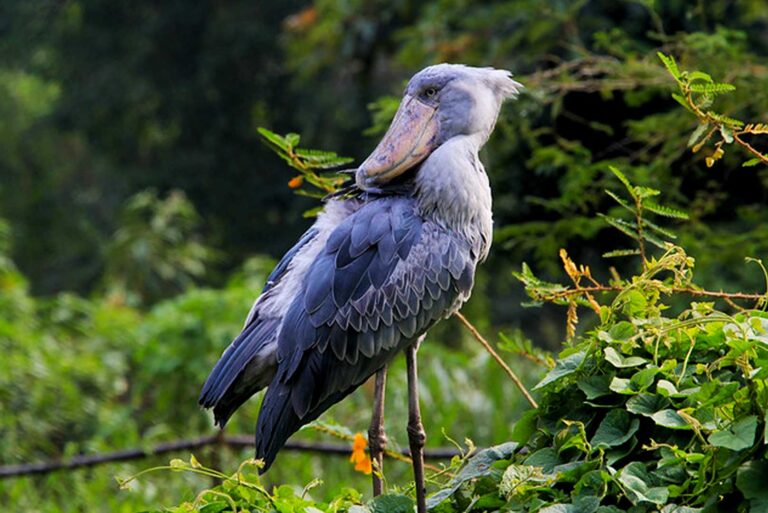
Why Bwindi Is Important for Birdwatching
A 6-Day Fly-in Birdwatching in Bwindi Impenetrable National Park for Solo travellers combines efficient domestic air travel with several days of focused exploration in one of Uganda's most biologically important forests. Bwindi is internationally famous for mountain gorillas, but dedicated birders recognise the park as an exceptional destination in its own right because of its rich forest avifauna and location within the Albertine Rift.
For solo travellers, a fly-in itinerary can be particularly convenient. Domestic aviation reduces the long overland transfer from central Uganda, while private or specialised guiding allows the birding programme to focus on individual interests and preferred pace.
Bwindi Impenetrable National Park protects a varied mountain rainforest containing different elevations, forest structures and habitats. This environmental diversity supports an extraordinary range of birds alongside primates, butterflies and plant life.
Birdwatching requires patience. Unlike a general safari where large mammals may be visible across open landscapes, forest birds can remain hidden within dense foliage. Calls, movement and subtle changes in vegetation become important clues. A skilled bird guide is therefore one of the most valuable components of the journey.
Bwindi's location within the Albertine Rift gives it particular ornithological importance.
The forest supports species associated with this restricted and biologically distinctive region of Africa.
Different sections of Bwindi offer varied birding conditions. Forest edges can provide relatively open viewing, while interior trails require careful listening and patient searching.
Altitude also influences which species occur in particular areas.
A six-day programme provides enough time to revisit productive habitats instead of attempting to identify everything during a single hurried walk.
Advantages of a Fly-in Birding Safari
Travelling by road between Entebbe and Bwindi occupies a substantial part of a day.
Flying reduces this transfer time and allows the solo traveller to arrive with more energy for birding.
Domestic flights also provide aerial views of Uganda's landscapes when weather conditions permit.
After landing, a private road transfer completes the journey to the appropriate Bwindi sector.
Solo travellers should check baggage limits carefully because birding equipment, cameras and binoculars can add weight.

Detailed Itinerary
-
DAY
1
Fly to Southwestern Uganda
The journey begins with a domestic flight from Entebbe to southwestern Uganda.
Travellers should arrive for check-in with sufficient time and ensure that essential optical equipment remains appropriately protected.
After landing, the guide meets the traveller and begins the road transfer toward Bwindi.
Birding can begin even before reaching the lodge. Roadside habitats, farmland and forest edges may provide the first sightings.
However, the first day should remain relatively relaxed.
After check-in, the traveller can explore the lodge grounds with binoculars before dinner.
-
DAY
2
Forest-Edge Birding
The second day begins early because bird activity can be particularly rewarding during the first hours after sunrise.
A guided Bwindi birdwatching walk begins around accessible forest-edge habitats.
The guide listens for calls and watches for movement through the vegetation.
Forest-edge birding can provide a useful introduction because visibility may be better than deep inside dense forest.
The traveller can become familiar with local bird families and learn how the guide identifies species by sound.
Rather than rushing to accumulate a large list, the day should allow enough time to observe behaviour.
Photography can be attempted when conditions allow, although forest birds often move quickly.
After several hours, the traveller returns for lunch and rest.
A shorter afternoon session can explore another nearby habitat.

-
DAY
3
Deeper Forest Birding
Day three moves farther into the Bwindi rainforest.
Interior forest birding can be more demanding because vegetation is dense and light levels are lower.
Listening becomes extremely important. Experienced guides may detect a species by call long before it becomes visible.
Mixed-species feeding groups can create sudden bursts of activity. Several species may move through one section of forest together before disappearing.
When this occurs, patience and calm observation are essential.
The traveller should avoid moving too quickly because birds may remain hidden only a short distance from the trail.
The full day can include a packed lunch or appropriate break depending on the selected route.
After returning to the lodge, bird records and photographs can be reviewed.
-
DAY
4
Albertine Rift Birding Focus
The fourth day concentrates on habitats associated with Albertine Rift bird species.
The exact route depends on the chosen Bwindi sector, trail conditions and recent observations.
Specialised bird guides can help distinguish visually similar species and interpret vocalisations.
Solo travellers have an advantage because the pace can remain completely focused on their interests.
If a particular bird is heard but not seen, the traveller may choose to wait rather than moving on to satisfy a larger group's schedule.
This flexibility is one of the strongest reasons for arranging a private solo birding programme.
The afternoon can include additional forest-edge exploration or rest according to energy levels.
-
DAY
5
Birding and Broader Bwindi Nature
The fifth day provides another substantial birding session while encouraging the traveller to appreciate Bwindi's wider biodiversity.
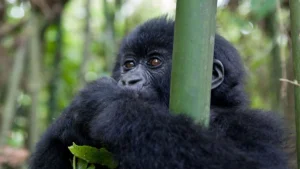
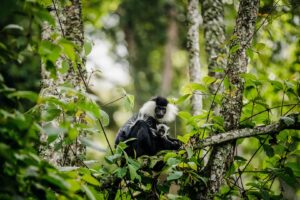
Primates, butterflies and unusual plants may appear during birding walks.
The forest environment itself deserves attention. Towering trees and thick vegetation create the habitat supporting the species visitors have travelled to observe.
A guide can explain relationships between birds and particular vegetation types.
The final afternoon session provides an opportunity to search again for species missed earlier in the trip.
Revisiting productive areas is often worthwhile because forest activity changes from day to day.
-
DAY
6
Final Birding and Return Flight
The final morning can include a short birding session around the lodge grounds or nearby accessible habitat.
After breakfast, the traveller checks out and transfers to the airstrip.
Birding may continue casually during the road transfer.
The domestic flight then returns toward Entebbe.
Six days provide enough time to develop a meaningful impression of Bwindi's bird diversity while avoiding the long road journeys that would otherwise consume substantial parts of the itinerary.
Essential Birding Equipment
A reliable pair of binoculars is the most important item.
Travellers should choose binoculars that are comfortable to hold for extended periods and perform reasonably well in lower forest light.
A field guide or suitable digital reference can assist with identification.
A notebook or bird-recording application is useful for maintaining daily lists.
Travellers using cameras should balance photographic equipment against the need to remain mobile on forest trails.
Photography in Bwindi
Forest bird photography is challenging.
Light levels can be low, backgrounds are often cluttered and birds may remain visible only briefly.
A telephoto lens with good low-light performance can help.
Photographers should nevertheless avoid becoming frustrated when a bird cannot be photographed.
For many species, a clear binocular view can be more rewarding than spending the entire encounter struggling with camera settings.
Clothing for Birding
Long lightweight trousers and long-sleeved shirts provide protection from vegetation and insects.
Sturdy waterproof hiking shoes are strongly recommended.
A lightweight rain jacket should remain accessible at all times.
Neutral clothing can be practical for moving quietly through forest environments.
A hat is useful in more open habitats.
Weather and Birding Conditions
Bwindi is a rainforest, so showers can occur throughout the year.
Rain may temporarily reduce bird activity, but conditions can change quickly.
Cloudy weather can sometimes produce comfortable walking temperatures, although photography becomes more challenging.
Travellers should protect binoculars and camera equipment from moisture.
Waterproof bags or covers can be valuable.
Benefits of Solo Birding
Solo travel allows extraordinary flexibility.
A private guide can concentrate entirely on the traveller's target species and interests.
There is no need to move on because other group members have become impatient.
Rest breaks can also be adjusted according to individual preferences.
The main disadvantage is that private guiding and transfers are not shared among several travellers, which can increase per-person cost.
For dedicated birders, however, the flexibility can justify the additional expense.
Accommodation for Solo Travellers
Accommodation should be selected primarily for location and birding access.
A lodge close to productive habitat can reduce daily transfer times.
Properties with gardens and forest views may provide additional birding opportunities without leaving the grounds.
Solo supplements should be considered when calculating the total safari price.
A comfortable room, reliable hot water and good meals are particularly welcome after full days in the forest.
Responsible Birdwatching
Bird welfare should always take priority over obtaining a sighting or photograph.
Visitors should follow guide instructions and remain on approved trails.
Excessive disturbance around nests should be avoided.
Playback of bird calls, where used at all, should be managed carefully by knowledgeable guides and according to appropriate conservation practices.
Vegetation should never be damaged simply to obtain a clearer photograph.
Combining Birding With Gorilla Trekking
Solo travellers may wish to add gorilla trekking in Bwindi.
This requires a separate permit and should be reserved in advance.
Adding gorillas can create an extraordinary combination of specialist birding and primate tourism.
However, dedicated birders with only six days may prefer to concentrate completely on birds.
The itinerary should reflect the traveller's actual priorities rather than assuming every Bwindi visitor must trek gorillas.
Best Time for Birdwatching
Bwindi offers birding throughout the year.
Seasonal conditions can influence breeding activity, vocalisation and the presence of certain migrants.
Rainfall patterns also affect trail conditions.
Travellers with specific target species should discuss timing with an experienced birding operator.
There is no single month that guarantees every desired species.
A Specialist Solo Journey Into Bwindi
A 6-Day Fly-in Birdwatching in Bwindi Impenetrable National Park for Solo travellers provides the time and flexibility required to appreciate one of Uganda's most important bird habitats.
Domestic flights reduce lengthy transfers, while private guiding allows the programme to respond to individual birding priorities.
The combination of Albertine Rift species, mountain rainforest, forest-edge habitats and exceptional biodiversity makes Bwindi rewarding even for travellers who never undertake a gorilla trek.
For solo birders who value patient observation and specialist guiding, six days in Bwindi can provide a rich and highly focused Uganda nature experience.
Accommodation Options in Entebbe

Ready to Experience This Classic Safari?
Let our expert team customise this 6-day itinerary to match your interests and travel dates.
