5 Day Mid-range Safari
5-Day Mid-range Canopy walk in Rubavu for Photographers
Combine Rubavu and Nyungwe on a 5-day canopy walk photography safari featuring Lake Kivu, rainforest views and affordable comfort in Rwanda.
- Mid-range Experience Mid-range Lodges & Hotels
- Canopy Walk An unforgettable encounter
- Kigali Experience Culture, dining & relaxation
- Tailor-Made Customised for you
Overview
Beginning With Rubavu Photography
A 5-Day Mid-Range Canopy Walk in Rubavu for Photographers combines Lake Kivu landscapes with the elevated rainforest perspectives associated with Rwanda's Nyungwe region. It is a visually varied journey designed for photographers who want to capture water, hills, forest textures and expansive canopy views within a short itinerary.
Rubavu itself is not the location of Rwanda's famous rainforest canopy walkway. That experience is associated with Nyungwe Forest National Park in southwestern Rwanda. A properly planned itinerary therefore uses Rubavu and Lake Kivu as part of the photographic route before continuing toward Nyungwe.
This geographical distinction improves the journey rather than weakening it. Photographers gain two contrasting environments: the open landscapes of Lake Kivu and the dense montane rainforest of Nyungwe.
Rubavu provides a strong opening to the journey because Lake Kivu offers photographic opportunities from the moment travellers arrive.
The lake changes continually with weather and light. Early mornings may produce calm surfaces and subtle reflections, while evenings can create silhouettes and dramatic skies.
Fishing activity, shoreline settlements and surrounding hills provide additional subjects.
A mid-range itinerary can use comfortable accommodation close to the lake, giving photographers easy access to early and late light without requiring expensive resort facilities.
Understanding the Nyungwe Canopy Walk
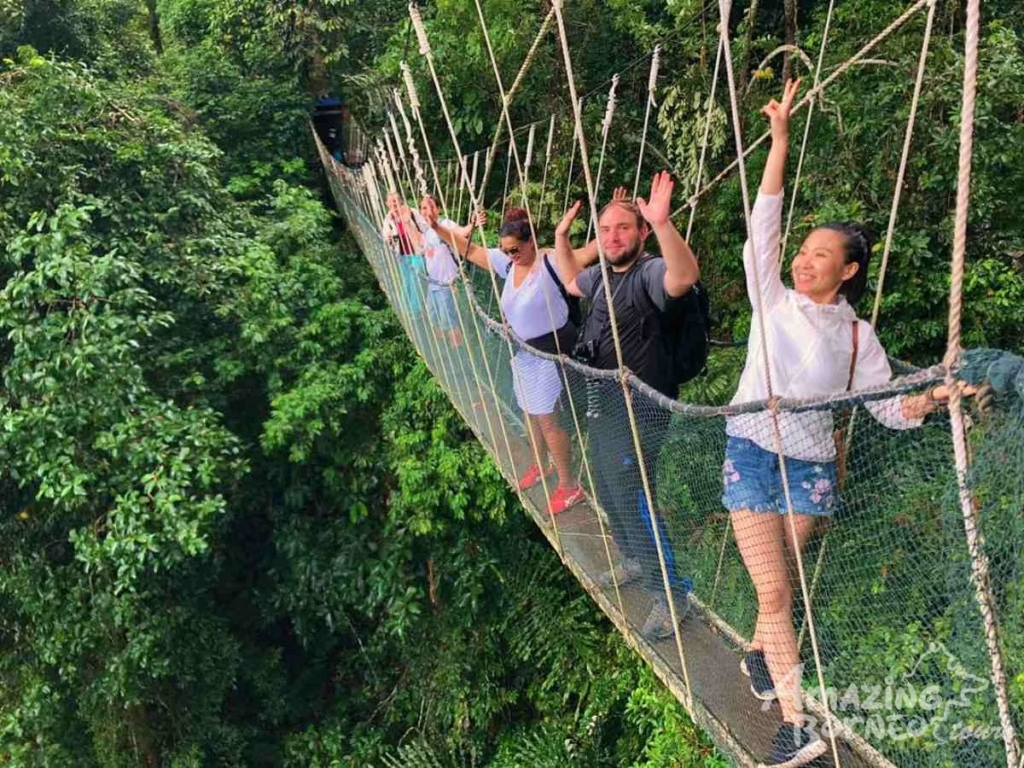
The Nyungwe canopy walk gives visitors an elevated view of Rwanda's montane rainforest. Suspended above the forest environment, the walkway creates perspectives that cannot be achieved from conventional trails.
For photographers, the experience is particularly interesting because it reveals layers of vegetation extending across the hills.
Mist, clouds and changing sunlight can transform the forest within minutes. Wide compositions show the scale of the landscape, while longer lenses can isolate details.
Visitors should understand that the walkway is an outdoor adventure experience and may not suit travellers uncomfortable with heights.
Travelling From Rubavu Toward Nyungwe
The journey south through western Rwanda is visually rewarding. Lake Kivu and surrounding hills provide numerous potential photography stops.
Photographers using private transportation should build time into the schedule for these opportunities. A transfer that is technically possible in a certain number of hours can take longer when photography stops are included.
The route should therefore be treated as part of the safari rather than simply transportation between hotels.
A knowledgeable driver-guide can identify safe stopping areas and explain landscapes encountered along the way.
Photographing Lake Kivu
Lake Kivu rewards patience. Photographers should avoid trying to capture the entire destination during one brief roadside stop.
Early morning provides softer light and potentially calmer water. Boats can become useful foreground subjects or silhouettes.
Cloud formations often add drama. Even rainy weather can create strong photographs when mist moves through the hills.
Travellers should carry a waterproof camera cover because conditions can change rapidly.
Forest Photography in Nyungwe
Rainforest photography requires a different approach from photographing open landscapes.
Light levels can be lower, and the contrast between bright gaps and deep shade can challenge camera exposure. Photographers should become comfortable adjusting ISO and shutter speed.
A tripod may be useful in certain situations, although it can become cumbersome on narrow or busy trails.
Weather sealing or rain protection is especially important. Moisture can appear even when heavy rain is not falling.
The Canopy Perspective
Standing above or within the upper layers of a forest changes the way photographers see the landscape.
Instead of focusing exclusively on individual trees, the canopy becomes a pattern of textures, colours and overlapping ridges.
Wide-angle lenses can communicate scale, while moderate telephoto lenses compress distant forest layers.
People on the walkway can also provide useful scale. Photographers should remain considerate and avoid blocking other visitors for extended periods.
Detailed Itinerary
-
DAY
1
Day one can involve arrival in Rubavu and an evening photography session beside Lake Kivu.
Day one can involve arrival in Rubavu and an evening photography session beside Lake Kivu.
-
DAY
2
Day two can begin with sunrise photography before exploring additional lakeside and community landscapes.
Day two can begin with sunrise photography before exploring additional lakeside and community landscapes. The middle of the day can be reserved for rest and image review.
-
DAY
3
Day three can follow the western route toward the Nyungwe region.
Day three can follow the western route toward the Nyungwe region. Scenic stops should be included rather than treating the transfer as a race.
-
DAY
4
Day four can focus on the Nyungwe canopy walk and forest photography.
Day four can focus on the Nyungwe canopy walk and forest photography. The exact timing should follow park arrangements and weather conditions.
-
DAY
5
Day five can include a final forest or landscape session before the return journey or continuation to another destination.
Day five can include a final forest or landscape session before the return journey or continuation to another destination.
Mid-Range Accommodation for Photographers
Photographers need practical accommodation more than elaborate luxury facilities. Reliable electricity for charging batteries is essential.
Secure rooms provide peace of mind when storing cameras and laptops. Wi-Fi can be useful for cloud backups, although travellers should not depend entirely on high-speed connectivity.
At Rubavu, accommodation near the lake reduces travel time for sunrise sessions.
Near Nyungwe, staying reasonably close to the planned activity helps with early departures and reduces unnecessary driving.
Camera Gear for the Journey
A wide-angle lens is useful for lake and forest landscapes. A standard zoom provides flexibility for travel photography.
A telephoto lens can isolate distant hills, birds or details in the canopy.
Photographers should carry spare batteries and sufficient memory cards. Multiple smaller storage cards can reduce the risk of losing an entire trip's images through one failure.
A cleaning cloth and basic lens-cleaning equipment are useful in humid conditions.
Protecting Equipment From Rain
Rwanda's western landscapes receive significant rainfall, and photographers should plan accordingly.
A rain cover for the camera allows photography to continue during light showers. Waterproof protection for the camera bag is equally important.
Silica gel packets can help manage moisture inside equipment storage, although they do not replace proper drying.
After returning to accommodation, photographers should inspect equipment and allow damp items to dry safely before packing them away.
Photographing Wildlife Opportunistically
Although the canopy walk is primarily a forest landscape experience, Nyungwe supports diverse wildlife.
Birds and primates may be encountered, but sightings should be treated as opportunities rather than guarantees.
A telephoto lens allows photographers to respond when wildlife appears without approaching animals.
Guides should always determine appropriate behaviour and viewing distances.
Photographing Communities Along the Route
Western Rwanda provides excellent opportunities for documentary travel photography, but people must be treated with respect.
A guide can facilitate introductions where photographers want to create portraits or document specific activities.
Markets and farms can provide rich visual material without requiring intrusive close-ups.
Photographers should avoid creating images that reduce communities to stereotypes. Context and dignity should guide the visual story.
Best Seasons for Photography
There is no single perfect photography season. Drier months may make travel and walking easier, while wetter months can produce richer vegetation and more dramatic atmospheric conditions.
Rainforest photography can be particularly evocative when mist settles among the trees.
Lake Kivu also changes according to weather, giving photographers different possibilities throughout the year.
The strongest approach is to prepare for variable conditions rather than expecting constant clear skies.
Responsible Canopy Walk Photography
The forest environment must take priority over obtaining a photograph. Visitors should remain on authorised trails and structures.
Nothing should be dropped from the walkway, and vegetation should not be damaged to clear a composition.
Photographers should also remain aware of other visitors. Tripods, bags and extended shooting sessions should not obstruct narrow areas.
Wildlife should never be baited or disturbed for photography.
Combining Photography With Chimpanzee Trekking
Photographers with additional time may add chimpanzee trekking in the Nyungwe region.
Chimpanzees are active and can be challenging to photograph in dense vegetation. A camera capable of handling higher ISO settings can be useful.
Visitors must follow all primate trekking regulations, and wildlife welfare always takes precedence over photographic positioning.
Adding chimpanzees can create a broader forest photography experience, although it requires additional permits and itinerary time.
Why Five Days Can Be Enough
Five days do not allow photographers to cover every location in western Rwanda, but that limitation can improve the journey.
Concentrating on Lake Kivu, the western route and Nyungwe gives the trip a clear visual theme.
Photographers have time for multiple light conditions instead of collecting quick snapshots from many unrelated destinations.
The result is a more coherent portfolio showing Rwanda's western landscapes from water level to the rainforest canopy.
Plan Your Rwanda Canopy Photography Safari
A 5-Day Mid-Range Canopy Walk in Rubavu for Photographers combines two dramatically different visual environments without requiring luxury-level expenditure.
Rubavu contributes Lake Kivu, fishing activity and expansive western landscapes. Nyungwe contributes rainforest textures, mist and the extraordinary elevated perspective of the canopy walkway.
With well-located accommodation, sufficient time for sunrise and sunset, protected camera equipment and a realistic transfer schedule, photographers can use five days to create a varied and meaningful visual record of western Rwanda.
Accommodation Options in Kigali


Ready to Experience This Mid-range Safari?
Let our expert team customise this 5-day itinerary to match your interests and travel dates.