4 Day Classic Safari
4-Day Photographic Lake Kivu holiday in Kigali for Solo travellers
Enjoy a 4-day Lake Kivu photography holiday from Kigali with lakeside scenery, highland landscapes and flexible solo travel in Rwanda.
- Classic Experience Handpicked Lodges & Hotels
- Wildlife Safari An unforgettable encounter
- Kigali Experience Culture, dining & relaxation
- Tailor-Made Customised for you
Overview
Why Lake Kivu Appeals to Solo Photographers
A 4-Day Photographic Lake Kivu Holiday in Kigali for Solo Travellers combines Rwanda's capital with one of the country's most attractive lakeside environments. Designed for independent photographers, the itinerary begins in Kigali before continuing west toward Lake Kivu, where water, hills, changing light and shoreline life provide a completely different visual experience.
Lake Kivu is not located within Kigali. It forms part of Rwanda's western landscape along the border region with the Democratic Republic of the Congo. Towns such as Gisenyi, also known as Rubavu, provide popular bases for exploring the Rwandan side of the lake.
The itinerary therefore uses Kigali as the gateway before moving into western Rwanda.
For solo travellers, this structure provides both organisation and independence. A private driver-guide manages transportation and local logistics while leaving the photographer free to concentrate on observation and creative work.
Water changes constantly.
Reflections, clouds, boats and shoreline activity can transform the same location within a short period.
Lake Kivu therefore rewards photographers who are willing to wait rather than rush between attractions.
Solo travellers have an advantage because they can spend longer at a viewpoint without worrying that a companion is becoming impatient.
A Lake Kivu photography holiday also offers opportunities beyond landscapes.
Travel photography may include food, architecture, agriculture and carefully approached documentary scenes.

Detailed Itinerary
-
DAY
1
Kigali Photography and Orientation
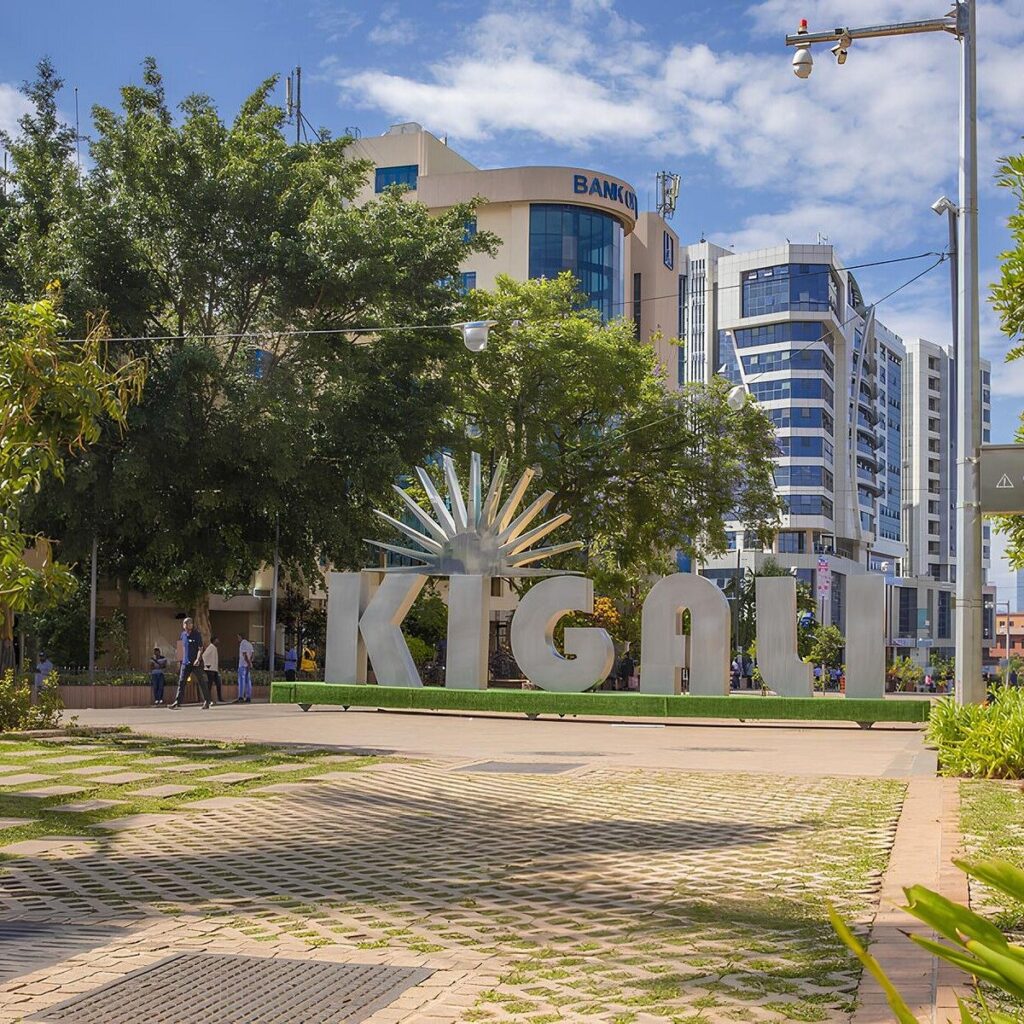
The journey begins in Kigali.
After meeting the guide, the traveller explores selected areas according to arrival time.
City viewpoints provide broad compositions across Rwanda's capital.
Architecture and street scenes introduce another visual language.
A standard zoom is often sufficient.
Solo photographers should work carefully in public environments.
Permission should be requested for identifiable close portraits.
The guide can help travellers understand local expectations and avoid intrusive photography.
Understanding Kigali Before Leaving
Spending some time in the capital provides context for the rest of the journey.
A suitable city tour may include historical and contemporary sites.
Travellers interested in the Kigali Genocide Memorial should approach it primarily as a place of remembrance and education.
Photography rules must be respected.
The city experience can then continue through suitable markets, creative spaces or scenic areas.
This creates a broader opening chapter for the photographic journey.

-
DAY
2
Kigali to Lake Kivu
After breakfast, the traveller begins the journey toward western Rwanda.
The exact lakeside base depends on the planned route, but Gisenyi is a natural choice for many short itineraries.
The road passes through Rwanda's highland scenery.
A private vehicle allows the photographer to request safe stops when interesting light or landscapes appear.
The guide decides where stopping is practical.
Photography should never create road-safety risks.
By afternoon, the traveller reaches Lake Kivu and checks into the selected accommodation.
First Impressions of Lake Kivu
The lake immediately changes the visual rhythm of the journey.
Open water creates space after Kigali's urban environment and the enclosed hills of the road.
Photographers can begin scouting shoreline compositions.
A wide lens works well for broad lake views.
A moderate telephoto can isolate distant boats and layered hills.
Evening conditions may create attractive reflections and silhouettes.
However, photographers should avoid assuming that every sunset will be spectacular.
Cloud and haze can produce equally interesting images.
-
DAY
3
Full Lake Kivu Photography Day
The third day is dedicated to the lake and its surrounding environment.
An early start can provide calm water and softer light.
The photographer can explore suitable shoreline viewpoints before breakfast or soon afterward.
Later, a professionally arranged boat experience may be included when conditions permit.
The boat changes the perspective from land-based photography.
Islands, shoreline settlements and distant hills may become easier to compose from the water.
Equipment must remain protected and securely attached.
Photography from a Boat
A boat is a moving platform.
Photographers should use shutter speeds fast enough to compensate for movement.
Image stabilisation can help but cannot solve every problem.
A versatile zoom is useful because subjects can appear at different distances.
Changing lenses repeatedly over water is not ideal.
A waterproof bag or protective cover should remain accessible.
Travellers should follow the boat crew's instructions and never move into unsafe positions for a photograph.
Photographing Fishing and Lake Life
Lake Kivu supports communities whose lives and livelihoods are connected to the water.
Boats and fishing activity can create interesting documentary subjects.
However, photographers should avoid treating working people as anonymous visual elements.
Close portraits require permission.
A guide can help facilitate respectful interaction where appropriate.
Travellers should not interfere with fishing activities or ask people to repeat work artificially for the camera.
Authentic documentary photography depends on patience and respect.
Landscape Composition Around Lake Kivu
The lake provides opportunities to work with foreground, middle ground and distant hills.
Rocks, vegetation or boats can create useful foreground elements.
Reflections can add symmetry.
Telephoto compression can bring distant layers visually closer together.
Photographers should experiment rather than taking every image from eye level.
A slightly lower or higher viewpoint may change the relationship between water and landscape.
Safety should remain the priority near shorelines.
Photography in Changing Weather
Western Rwanda can experience rapidly changing conditions.
A clear morning may become cloudy.
Rain can move across the lake and create dramatic visual layers.
Photographers should protect equipment but remain open to these conditions.
Stormy skies may create stronger photographs than a cloudless afternoon.
After rain, colours can appear richer and reflections may change.
Flexibility is one of the greatest advantages of a dedicated photography holiday.
Coffee Experiences Around Lake Kivu
Coffee cultivation is associated with parts of the Lake Kivu region.
Where a legitimate visitor programme is available, the traveller can add a coffee-related experience.
This introduces agricultural photography and provides cultural context.
The photographer can document plants, processing details and landscapes while learning how coffee moves from fruit toward the finished product.
Workers should be photographed respectfully and only with appropriate permission.
The experience can add depth to a portfolio dominated by lake scenery.
A Solo Traveller's Afternoon
Not every hour needs to be spent taking photographs.
The traveller can stop for lunch, read beside the lake or simply observe the environment.
Solo holidays work best when there is freedom to alternate between activity and rest.
A photographer who becomes tired is less likely to notice strong compositions.
The afternoon can therefore remain flexible before another period of photography later in the day.
Sunset Photography
Sunset is an obvious photographic opportunity, but good results require more than pointing the camera at the sun.
Foreground elements can strengthen compositions.
Reflections may become important as light changes.
Photographers should continue working for a period after the sun disappears because the sky may retain colour.
A tripod can be useful from a stable land-based viewpoint.
On a moving boat, it is generally far less practical.

-
DAY
4
Final Morning and Return to Kigali
The final morning provides another opportunity to photograph Lake Kivu under different conditions.
Early light may reveal scenes that were absent the previous day.
After breakfast, the traveller checks out and begins the return journey toward Kigali.
Safe photographic stops can be incorporated when timing allows.
Travellers with an international departure should leave enough contingency.
An additional Kigali night is useful for anyone who wants to organise photographs and prepare equipment before flying.

Camera Equipment for Lake Kivu
A standard zoom can cover most landscapes and general travel scenes.
A telephoto lens helps isolate boats and distant hills.
A wide lens is useful for expansive shoreline views.
A polarising filter can sometimes help manage reflections and glare, although its effect varies according to the angle of light.
Extra batteries and memory cards are essential.
Rain protection should remain readily available.
A lightweight tripod is useful for stable land-based sunrise or sunset photography.
Backing Up Photographs
Solo photographers should avoid storing every image in one place.
Where possible, files can be copied to a laptop, portable drive or another secure storage option.
Memory cards containing important images should be separated from the main camera bag during onward travel.
Cloud backups may be useful when internet connectivity is sufficient.
A simple backup routine can prevent a technical failure from erasing the visual record of the entire holiday.
Smartphone Photography at Lake Kivu
Smartphones work particularly well for broad lake scenes.
Their wide lenses can capture reflections and shoreline environments.
Computational processing can also help during difficult light.
Travellers should avoid excessive digital zoom.
Moving physically closer is preferable when safe and appropriate.
Phones should be secured carefully during boat trips.
A waterproof pouch can provide additional protection.
Extending Toward Nyungwe
Photographers with more time can continue south toward Nyungwe National Park.
The transition from open lake scenery to dense rainforest provides exceptional photographic contrast.
Nyungwe offers forest landscapes, birdlife and the canopy walkway.
Chimpanzee trekking can also be added with the required permit and physical preparation.
A longer western Rwanda photography itinerary can therefore combine Kigali, Lake Kivu and Nyungwe.
Extending Toward Volcanoes National Park
Travellers can instead continue north toward the Volcanoes region.
Mountain landscapes and primates create another completely different photographic environment.
Gorilla trekking is available to eligible visitors with confirmed permits.
Golden monkey trekking is another option.
These additions require extra days and should not be compressed into the four-day Lake Kivu programme.
Responsible Travel Photography
Photographers should respect people, wildlife and private property.
Residents should not be photographed intrusively.
Drones require compliance with applicable regulations and permissions and should never be assumed to be permitted.
Waste should not be left at viewpoints.
Boat operators' safety instructions must be followed.
The desire for a unique image never justifies irresponsible behaviour.
Who Should Choose This Holiday?
The itinerary suits solo photographers who enjoy landscapes and slower travel.
It works for professionals, enthusiasts and travellers using smartphones.
The journey is particularly attractive to people who prefer water and scenery to intensive wildlife trekking.
Private transportation provides flexibility while reducing the logistical burden of travelling alone.
Plan Your Lake Kivu Photography Holiday
A 4-Day Photographic Lake Kivu Holiday in Kigali for Solo Travellers connects Rwanda's capital with the open landscapes of the country's western lake region.
Kigali introduces urban and cultural photography before Lake Kivu provides water, highland scenery, boats and changing light.
Private guiding gives solo travellers the freedom to respond to photographic opportunities without managing every logistical detail independently.
For photographers seeking a flexible Lake Kivu photography holiday, these four days provide an engaging introduction to western Rwanda and an excellent foundation for a longer photographic journey.
Accommodation Options in Kigali

Ready to Experience This Classic Safari?
Let our expert team customise this 4-day itinerary to match your interests and travel dates.