4 Day Classic Safari
4-Day Photographic Cultural tour in Kigali for Families
Explore Rwanda's capital on a 4-day family photography and cultural tour featuring Kigali history, communities, crafts and city life.
- Classic Experience Handpicked Lodges & Hotels
- Cultural Visit An unforgettable encounter
- Kigali Experience Culture, dining & relaxation
- Tailor-Made Customised for you
Overview
Why Kigali Works for a Family Cultural Journey
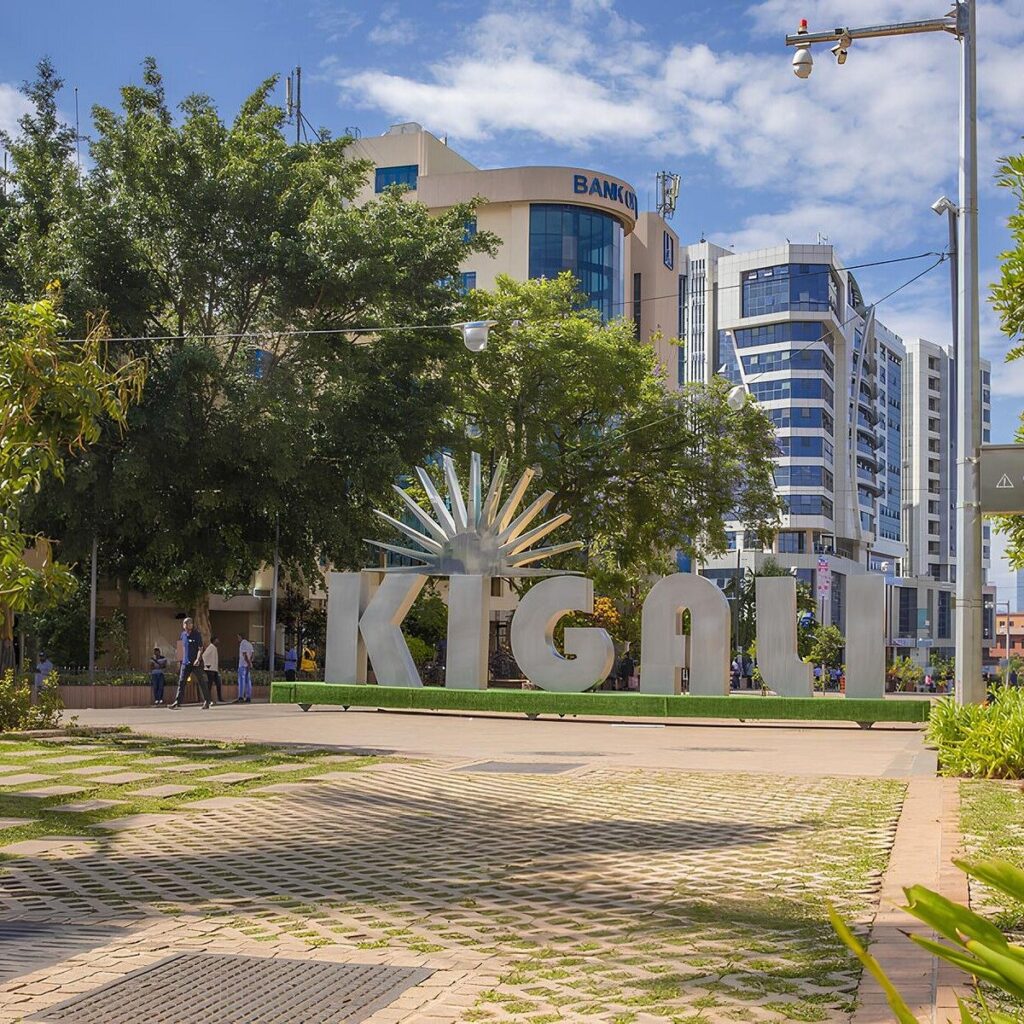
A 4-Day Photographic Cultural Tour in Kigali for Families introduces parents and children to Rwanda through history, contemporary city life, creativity and responsible photography. Rather than treating Kigali simply as the place where an international flight arrives, the itinerary gives families several days to understand the capital and learn how to photograph travel experiences respectfully.
Kigali is particularly suitable for this style of family journey because its attractions can be combined without the physical demands associated with rainforest trekking. The schedule can be adjusted for children's ages and attention spans.
Photography provides an additional educational element. Children can learn to observe architecture, colour, patterns and everyday scenes instead of simply taking repeated snapshots.
At the same time, the itinerary emphasises an important principle: people are not tourist props. Cultural photography should always respect privacy and dignity.
Kigali contains several layers of Rwanda's story.
Families can learn about the country's history while also seeing how people live in a modern, rapidly changing capital.
Museums and memorial sites provide formal context.
Markets, art spaces and neighbourhoods introduce everyday life.
Restaurants and craft centres add lighter experiences between more serious visits.
A Kigali family cultural tour can therefore combine education and enjoyment without making children feel that every hour is a lesson.


Detailed Itinerary
-
DAY
1
Arrival and Kigali Orientation
The family is collected from the airport or hotel by a private guide.
The first activity depends on arrival time.
Families arriving after a long flight may prefer a short scenic orientation rather than a full programme.
Driving across Kigali's hills gives children an immediate sense of the city's geography.
The guide can point out important districts and explain how the capital has developed.
A relaxed meal provides time to discuss what the family wants to photograph over the coming days.
Introducing Children to Travel Photography
Children do not need expensive cameras.
A smartphone or simple compact camera is enough to teach basic observation.
Parents can encourage children to photograph themes rather than everything they see.
One child might look for patterns in buildings, while another focuses on plants or transport.
This creates a purpose for photography.
It also helps children look carefully at their surroundings instead of experiencing the entire city through a screen.

-
DAY
2
Kigali's History and Memory
The second day can include a carefully planned visit to the Kigali Genocide Memorial.
Parents should consider children's ages and emotional readiness before the visit.
The memorial addresses the 1994 Genocide against the Tutsi and can contain difficult material.
Families should approach the experience respectfully and follow all site guidance.
Photography should never become the priority.
The purpose is remembrance, education and understanding.
Parents may want to discuss the experience privately with children afterward.
Balancing Difficult History with Contemporary Rwanda
Rwanda's history is essential, but a cultural tour should not stop there.
After an appropriate break, families can explore aspects of contemporary Kigali.
This helps children understand that Rwanda is a living society rather than a place defined only by historical tragedy.
Art, business, food and community life reveal different dimensions of the city.
A guide can explain how Kigali continues to change.
This balanced approach gives families a more complete understanding.
Photographing Architecture and City Landscapes
Kigali's hilly terrain creates interesting city views.
Families can photograph roads, buildings and neighbourhood layers from suitable viewpoints.
Wide-angle lenses work well for urban landscapes.
Children can experiment with leading lines, symmetry and framing.
Parents should supervise photography near roads.
A good image is never worth stepping into traffic or an unsafe position.
Photography stops should be selected with safety in mind.

-
DAY
3
Markets, Crafts and Creative Kigali
The third day explores suitable cultural and creative spaces.
Depending on current opening arrangements, families can visit craft centres, markets or art spaces.
These environments provide opportunities to learn about locally produced goods and creative work.
A guide can explain the meaning or production process behind selected items.
Children may enjoy seeing how materials are transformed into finished products.
Buying souvenirs should remain optional.
The objective is to understand craftsmanship rather than simply shop.
Respectful Market Photography
Markets are visually interesting but require sensitivity.
Vendors are working.
They should not be photographed closely without permission.
Families should avoid blocking walkways while taking pictures.
Children can focus on broader scenes, produce displays, patterns and objects when photography is allowed.
If a vendor agrees to a portrait, a polite interaction before and after taking the photograph is appropriate.
These simple habits teach children responsible photography.
Food as Cultural Exploration
Food provides another accessible way for families to engage with Kigali.
A guided meal can introduce Rwandan dishes according to the family's dietary preferences.
Parents should encourage children to try unfamiliar foods without forcing them.
The guide can explain ingredients and eating customs.
Food photography can also be fun.
Children can practise composition using plates and table settings before eating.
This creates an easy photography exercise without involving questions of personal privacy.
Cultural Experiences and Community Visits
Where a community-based experience is included, it should be organised professionally.
Visitors should understand what the programme supports and what behaviour is expected.
Communities are not exhibitions.
Families should interact naturally and listen to hosts.
Parents can encourage children to ask respectful questions.
Photographs should be taken only when appropriate.
A genuine conversation can become more valuable than a photograph.

-
DAY
4
Final Kigali Photography and Departure
The final day can begin with a relaxed breakfast followed by another city experience according to flight timing.
Families may return to a favourite viewpoint or visit a suitable creative space that was not included earlier.
Children can review their photographs and choose a small number that best represent Kigali.
This encourages thoughtful editing rather than keeping thousands of nearly identical images.
The guide then transfers the family to the airport or onward destination.
Creating a Family Photo Story
Instead of viewing photographs individually, families can use the four-day journey to create a visual story.
The collection might begin with arrival and city landscapes.
Historical images can be included where appropriate and permitted.
Crafts, food and neighbourhood scenes then show contemporary life.
Family portraits connect the travellers themselves with the destination.
This approach creates a more meaningful album than a random collection of photographs.
Camera Equipment for Families
A lightweight setup is best.
Parents carrying professional cameras may choose a standard zoom for most city situations.
Children can use phones or compact cameras.
Extra batteries or power banks are useful.
Families should avoid displaying expensive equipment carelessly.
Camera bags should remain secure.
The guide can advise on appropriate photography locations.
Cultural Sensitivity
Visitors should avoid making broad conclusions about Rwanda based on one neighbourhood or brief interaction.
A guide can provide context.
Parents should encourage children to listen before judging unfamiliar customs.
Photography should never be used to ridicule people or circumstances.
Travel offers an opportunity to develop curiosity and empathy.
These lessons are among the most valuable outcomes of a family cultural tour.
Adding a Kigali Food Experience
Families interested in cuisine can devote additional time to food.
A suitable guided culinary experience can introduce ingredients, preparation methods and dining traditions.
Parents should communicate allergies in advance.
Children may enjoy participating in simple preparation where a legitimate programme permits.
This adds another sensory dimension to the journey.
Extending to Akagera National Park
After four days in Kigali, families can continue east to Akagera National Park.
The park provides classic wildlife viewing and creates a strong contrast with the city.
Children can look for elephants, giraffes, zebras and other animals.
Lions and rhinoceroses are also present, although sightings are not guaranteed.
A Kigali cultural journey followed by Akagera creates a balanced family holiday combining people, history and wildlife.
Extending to Northern Rwanda
Families can alternatively continue toward Lake Ruhondo or the Volcanoes region.
The northern highlands introduce volcanic scenery and opportunities for age-appropriate nature experiences.
Families with travellers aged 15 or above can consider gorilla trekking, subject to permits and fitness.
Younger children need alternative activities.
This makes Kigali a useful starting point for a longer Rwanda family circuit.
Best Time for a Kigali Cultural Tour
Kigali can be visited throughout the year.
Most cultural activities are not dependent on a particular wildlife season.
Rain may affect walking and photography, but it rarely prevents an entire city programme.
Families should pack light rain protection and sun protection.
Major holiday periods may affect opening hours, so specific attractions should be confirmed during planning.
Why Private Guiding Helps Families
Children ask questions that do not always fit a fixed group tour.
A private guide can respond at an appropriate level.
The family can also take breaks when attention declines.
Parents do not need to worry about delaying strangers.
This flexibility allows cultural learning to happen naturally.
It is particularly useful when children of different ages travel together.
Responsible Family Travel
Families should minimise waste and treat public spaces carefully.
Children should be supervised in memorials, markets and cultural sites.
Residents' privacy should be respected.
Purchases should be voluntary and fair.
Parents can model appropriate behaviour rather than simply telling children what to do.
Responsible travel becomes easier when the entire family understands why these practices matter.
Who Should Choose This Tour?
The itinerary suits families who want to understand Rwanda beyond wildlife.
It is particularly appropriate for first-time visitors interested in photography, history and culture.
Parents should consider the emotional maturity of children before including sensitive historical sites.
The programme can be adjusted to place more emphasis on art, food or contemporary city life where appropriate.
Plan Your Kigali Family Photography Tour
A 4-Day Photographic Cultural Tour in Kigali for Families turns Rwanda's capital into an engaging environment for learning, creativity and shared discovery.
Families explore history, contemporary life, food and artistic expression while developing responsible photography habits.
Private guiding allows the schedule to adapt to children's ages and interests.
For parents seeking a meaningful Kigali family cultural tour, these four days provide an opportunity to understand Rwanda together while creating a thoughtful photographic record of the journey.
Accommodation Options in Kigali

Ready to Experience This Classic Safari?
Let our expert team customise this 4-day itinerary to match your interests and travel dates.