4 Day Classic Safari
4-Day Photographic Boat safari in Kigali for First-time visitors
Discover Rwanda on a 4-day photographic boat safari from Kigali combining city scenes, wetland wildlife and scenic water photography.
- Classic Experience Handpicked Lodges & Hotels
- Boat Safari An unforgettable encounter
- Kigali Experience Culture, dining & relaxation
- Tailor-Made Customised for you
Overview
Why Begin a Photography Safari in Kigali?
A 4-Day Photographic Boat Safari in Kigali for First-Time Visitors combines an introduction to Rwanda's capital with a professionally planned water-based wildlife experience outside the city. Kigali itself is an inland capital and is not the location of Rwanda's principal safari boat excursions. The itinerary therefore begins in Kigali before connecting first-time visitors with an appropriate destination such as Akagera National Park, where water and wetland environments can complement game viewing.
This distinction is essential when planning the journey. A visitor should not arrive in central Kigali expecting a conventional wildlife boat safari within the city.
Instead, Kigali acts as the logistical and cultural starting point.
For photographers, this arrangement creates considerable variety. The first part of the journey focuses on urban landscapes and cultural context, while the safari portion introduces water, birds and wildlife within a protected environment.
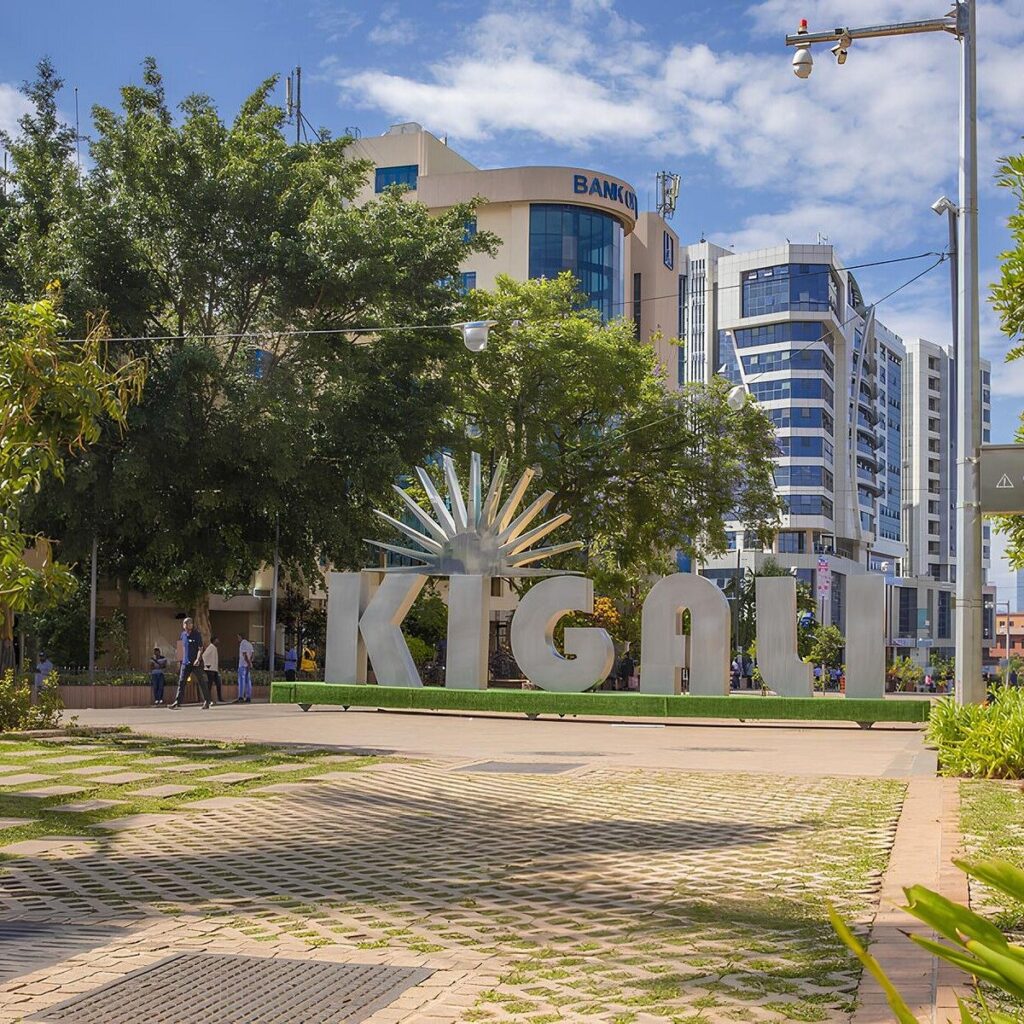
Kigali provides much more than airport access.
Its hills, architecture, markets and changing neighbourhoods offer an introduction to contemporary Rwanda.
First-time visitors can use the city to understand the country before concentrating on wildlife.
Photography also changes dramatically once travellers leave the capital.
Urban lines and human activity are replaced by open landscapes, lakes and natural habitats.
A Rwanda photography safari from Kigali therefore provides a more complete visual story than travelling directly from the airport to a park.

Detailed Itinerary
-
DAY
1
Arrival and Kigali Photography
The itinerary begins with collection from Kigali International Airport or a city hotel.
After settling in, travellers join their guide for a carefully paced introduction to the capital.
Photography can focus on city landscapes, architecture and suitable cultural scenes.
A wide or standard zoom is useful because photographers may move between broad viewpoints and tighter street compositions.
Visitors should not photograph identifiable people closely without permission.
A guide can help travellers understand when photography is appropriate.
Kigali's Historical Context
First-time visitors benefit from understanding Rwanda's history.
A visit to the Kigali Genocide Memorial may form part of the day.
Photography rules and the solemn character of the site must be respected.
The purpose of visiting is learning and remembrance rather than building a travel portfolio.
Travellers should allow time for reflection afterward.
This historical context helps visitors understand Rwanda beyond its attractive landscapes.
Preparing for Wildlife Photography
Before leaving Kigali, photographers should organise equipment for the safari.
A telephoto zoom is particularly useful for wildlife and birds.
Extra batteries and memory cards should be prepared.
A rain cover protects equipment during changing weather.
Photographers should also bring binoculars.
A small beanbag or another appropriate camera support may be useful in a safari vehicle, depending on the equipment setup.
Excessive gear should be avoided because it can become difficult to manage on a short journey.

-
DAY
2
Kigali to Akagera National Park
After breakfast, travellers leave Kigali for eastern Rwanda.
The landscape changes as the route approaches Akagera National Park, Rwanda's principal savannah safari destination.
After arrival and park arrangements, photographers begin exploring the environment.
Akagera contains savannah, woodland, lakes and wetlands.
This variety provides opportunities to photograph mammals, birds and broad landscapes.
Wildlife sightings remain unpredictable.
A professional guide can identify promising locations but cannot guarantee specific animals.
Photographing Akagera's Wildlife
Akagera supports elephants, buffaloes, giraffes, zebras, antelopes, lions, rhinoceroses and many other animals.
Leopards are also present but naturally elusive.
Photographers should avoid treating the safari solely as a Big Five checklist.
A giraffe against an open landscape can produce a stronger image than a distant lion hidden by vegetation.
Behaviour is often more interesting than species rarity.
Travellers should observe how animals interact and anticipate movement.
-
DAY
3
Boat Safari Photography
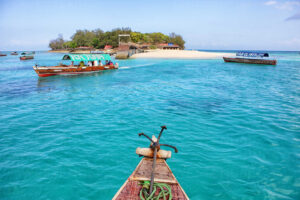
The third day includes the itinerary's signature boat safari where current park operations and conditions permit.
The boat introduces a completely different photographic perspective.
Instead of looking down from a vehicle, photographers work closer to water level.
Hippos may be encountered in suitable areas, while crocodiles can appear along shorelines.
Waterbirds create additional opportunities.
Other animals may approach the water naturally, although no sighting should be guaranteed.
Camera Technique on a Boat
Boat photography requires flexibility.
A moving platform makes slow shutter speeds more difficult.
Photographers may need to increase shutter speed and ISO to compensate for movement.
Image stabilisation can be helpful.
A telephoto zoom allows rapid changes in framing when subjects appear at different distances.
Changing lenses repeatedly on a boat can expose equipment to water and dust.
A versatile setup is therefore preferable.
Cameras should remain secured with straps.
Photographing Hippos Responsibly
Hippos are powerful wild animals and require significant respect.
The boat operator determines safe positioning.
Photographers should never pressure the crew to approach animals too closely.
A longer lens allows compelling photographs without reducing safety distances.
Behavioural images can include yawning, group interactions or animals entering and leaving water where such moments occur naturally.
The safety of visitors and wildlife always takes priority over obtaining a photograph.
Bird Photography
Akagera's aquatic habitats are particularly rewarding for bird enthusiasts.
Photographers may encounter a variety of water-associated species.
Bird photography often requires patience.
Rather than constantly moving from one subject to another, travellers can observe behaviour and wait for a cleaner composition.
A telephoto lens is useful.
Fast shutter speeds help freeze flight, while slower settings can sometimes create deliberate motion effects for experienced photographers.
Beginners should concentrate first on sharp, well-exposed images.
Landscape Photography from the Water
A boat safari is not only about animals.
Reflections, shoreline vegetation and changing skies can create strong compositions.
Wide lenses can capture the relationship between water and surrounding landscapes.
Clouds may add drama.
Early or later light can produce attractive tones when activity timing allows.
Photographers should occasionally switch attention away from wildlife and observe the broader environment.
Returning to the Safari Vehicle
After the boat experience, the itinerary can continue with road-based wildlife viewing.
This provides another opportunity to photograph species that are less closely associated with water.
Different focal lengths become useful again.
A long lens can isolate distant wildlife, while wider compositions show animals within their habitat.
Photographers should avoid demanding that guides leave authorised routes.
Ethical photography works within park regulations.
-
DAY
4
Final Photography and Return to Kigali
The final morning can include another game drive according to the itinerary.
Morning light may create opportunities that were absent the previous day.
Afterward, travellers begin the return journey to Kigali.
Those with an evening international flight should maintain sufficient contingency.
Photographers may prefer another Kigali night so that they can back up images and prepare equipment calmly before flying.
Equipment for First-Time Safari Photographers
A camera with a versatile telephoto zoom can handle most wildlife situations.
A second wider lens is useful for landscapes.
Travellers should avoid buying unfamiliar equipment immediately before the safari unless they have time to practise.
Understanding an existing camera is more valuable than carrying a technically superior system that feels confusing.
Extra batteries, memory cards and rain protection are essential.
Smartphone Photography
First-time visitors using smartphones can still produce excellent travel photographs.
Phones work particularly well for Kigali scenes and broad landscapes.
Wildlife photography becomes more challenging when animals are distant.
Digital zoom can reduce image quality.
Travellers should therefore concentrate on environmental compositions rather than attempting extreme close-ups.
Short video clips can also document boat and wildlife experiences effectively.
Best Time for a Photographic Boat Safari
Akagera can be visited throughout the year.
Seasonal conditions influence vegetation, water levels and the appearance of landscapes.
Drier periods can concentrate some wildlife around available water, while wetter periods create greener scenery.
Bird activity also varies.
There is no single month in which every photographic subject is guaranteed.
The best approach is to understand the conditions expected during the chosen travel period.
Ethical Wildlife Photography
Wildlife should never be fed or called toward the camera.
Guides should not be pressured to approach animals irresponsibly.
Flash should be avoided when it could disturb wildlife.
Noise should remain controlled.
Photographers should respect other guests who also want clear views.
A memorable image loses value if it was created through harmful behaviour.
Who Should Choose This Safari?
The itinerary is ideal for first-time Rwanda visitors interested in photography and wildlife.
It suits beginners as well as experienced enthusiasts.
The combination of Kigali and Akagera provides cultural and natural variety.
Travellers focused exclusively on primates should choose a Volcanoes or Nyungwe itinerary instead.
Those interested in a broader photographic journey can later add both.
Plan Your Rwanda Photographic Boat Safari
A 4-Day Photographic Boat Safari in Kigali for First-Time Visitors uses Kigali as the starting point for an engaging journey into Rwanda's eastern wildlife landscapes.
The city provides cultural and historical context, while Akagera introduces savannah animals, wetlands and water-level photography.
A professionally organised boat excursion adds a perspective unavailable from a conventional safari vehicle.
For first-time photographers seeking a varied Rwanda photographic safari, this four-day itinerary provides an accessible introduction to both the country and the challenges of photographing wildlife in natural environments.
Accommodation Options in Kigali

Ready to Experience This Classic Safari?
Let our expert team customise this 4-day itinerary to match your interests and travel dates.