
3 Day Mid-range Safari
3-Day Mid-range Big Five safari in Gisenyi for Families
Plan a 3-day mid-range Big Five safari from Gisenyi for families, combining Lake Kivu with Akagera National Park wildlife and private travel.
- Mid-range Experience Mid-range Lodges & Hotels
- Wildlife Safari An unforgettable encounter
- Kigali Experience Culture, dining & relaxation
- Tailor-Made Customised for you
Overview
Why Choose Akagera for a Family Safari?
A 3-Day Mid-Range Big Five Safari in Gisenyi for Families connects the shores of Lake Kivu with Rwanda's principal savannah wildlife destination, Akagera National Park. The itinerary is designed for families who want comfortable accommodation and private transportation without moving into the highest luxury price category.
Gisenyi is located in northwestern Rwanda, while Akagera National Park lies in the east. Travelling between the two therefore requires crossing a significant portion of the country. A three-day itinerary is possible, but families need to understand that the first and final days involve meaningful transportation.
The reward is an impressive change of scenery. Lake Kivu and the volcanic northwest give way to eastern Rwanda's savannah, woodland, wetlands and lakes.
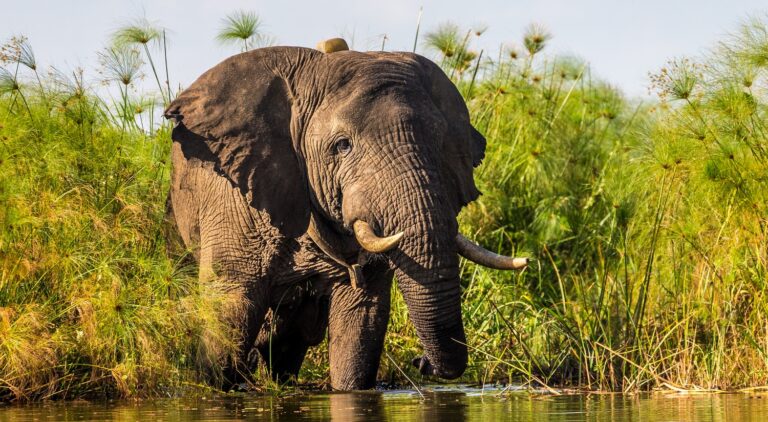
For children and adults experiencing an African safari for the first time, Akagera offers the possibility of observing elephants, buffaloes, lions, rhinoceroses, leopards, giraffes, zebras, hippos and numerous other species in protected natural habitat.
Akagera is Rwanda's principal destination for traditional Big Five wildlife viewing.
The park provides a strong contrast to the country's mountain and rainforest environments. Families who have already visited Lake Kivu or the Volcanoes region can therefore add an entirely different ecosystem without leaving Rwanda.
Game drives are particularly suitable for families because wildlife can be observed from a safari vehicle.
Children who are too young for gorilla or chimpanzee trekking can participate in game viewing, subject to the rules and arrangements applying to specific activities.
The variety of animals also helps maintain younger travellers' interest.
One moment may involve giraffes, while another reveals zebras, antelopes or elephants.
Detailed Itinerary
-
DAY
1
Gisenyi to Akagera National Park
The safari begins early in Gisenyi because the route toward Akagera is substantial.
Private transportation is valuable for families. It allows luggage to remain together and makes it possible to stop for meals, bathrooms or short breaks when needed.
The journey passes through different parts of Rwanda and may route through or around Kigali according to current road conditions and the final plan.
Rather than viewing the drive solely as an inconvenience, families can use it to observe how landscapes change across the country.
The guide provides explanations about agriculture, towns and geography during the journey.
On reaching Akagera, guests check into their mid-range accommodation and prepare for the first wildlife experience where timing permits.
What Mid-Range Means on This Safari
A mid-range Rwanda safari aims to provide reliable comfort without the price of premium luxury lodges.
Accommodation should offer comfortable rooms, proper beds, private bathroom facilities and suitable meals.
Families may need twins, doubles, triples or family rooms. Exact configurations should be confirmed before booking.
Private transport can remain part of the package because flexibility is particularly valuable when children are travelling.
The safari therefore saves money primarily through accommodation category and carefully selected inclusions rather than compromising essential safety or guiding.
This balance often provides excellent value for families.
First Akagera Game Drive
If arrival time allows, the family enters the park for an introductory game drive.
The first drive should be approached with curiosity rather than pressure to immediately find all of the Big Five.
Common or more visible wildlife can be just as exciting for children.
Giraffes are particularly memorable because their height makes them easy to recognise. Zebras provide another instantly familiar safari species.
Antelopes introduce children to the diversity that exists beyond the animals they may already know from books.
The guide can turn sightings into an educational experience by explaining diet, habitat and behaviour.
This helps children understand that a safari is about ecosystems rather than a collection of famous animals.
-
DAY
2
Full-Day Big Five Safari
The second day begins early, when temperatures are cooler and wildlife may be active.
The family sets out with its guide to explore Akagera's different habitats.
Elephants can occur in family groups or smaller associations. Buffaloes may appear in substantial herds.
Lions require careful searching, and their behaviour varies according to time, weather and recent feeding.
Leopards are naturally elusive, so seeing one should be considered a special opportunity rather than an expectation.
Rhinoceroses also inhabit the park, completing Rwanda's Big Five.
The guide uses experience, recent information and knowledge of habitat to improve the chances of meaningful sightings.
Teaching Children About the Big Five
A family safari can become a powerful learning experience when children understand what they are seeing.
Parents can explain that the Big Five term has historical origins but today is used mainly as a tourism shorthand.
The animals are far more interesting when considered individually.
Elephants have complex social relationships and communication.
Lions live within social structures that differ from those of most other cats.
Rhinoceroses demonstrate the importance of modern conservation and protected habitat.
Buffaloes play an important ecological role, while leopards show remarkable adaptability and stealth.
Understanding these characteristics makes wildlife viewing more memorable than simply ticking names off a list.
Akagera's Lakes and Wetlands
Savannah is only part of Akagera's landscape.
Wetlands and lakes provide habitat for hippos, crocodiles, waterbirds and many other species.
Where suitable for the itinerary, families may add a boat safari in Akagera.
Being on the water creates a different perspective from game driving.
Children often enjoy seeing hippos because their behaviour is easy to observe and discuss.
Birdlife around the wetlands can also be impressive, even for family members who do not consider themselves birdwatchers.
The combination of road and water activities makes Akagera especially varied for a short safari.
Photography for Families
Families do not need expensive equipment to document their safari.
Children may enjoy using a simple camera or supervised smartphone.
Parents with interchangeable-lens cameras can use a telephoto zoom for wildlife and a wider lens for landscapes.
Guests should avoid leaning dangerously from vehicles or ignoring guide instructions for photographs.
Animals should also be given sufficient space.
A useful family photography challenge is to capture different aspects of the ecosystem rather than only the Big Five.
Landscapes, birds, plants and smaller animals help create a more complete record of the safari.
Lunch and Rest During a Full Safari Day
Young travellers can become tired during extended game drives.
A full-day programme should therefore include sensible meal and rest arrangements.
The guide can coordinate stops according to the selected route and park regulations.
Parents should carry appropriate personal essentials, including sun protection and any snacks permitted within the safari arrangements.
Water is important, particularly during warm conditions.
Families should also recognise when children need a break from constant wildlife searching.
Quiet periods inside the vehicle can help everyone remain enthusiastic for later sightings.
Best Time for a Family Safari in Akagera
Akagera operates throughout the year.
Relatively drier periods can provide convenient game-driving conditions and may concentrate some wildlife around water.
The wetter periods produce green landscapes and can be beautiful for photography.
Families travelling during school holidays may encounter higher demand for popular accommodation.
Booking early is therefore sensible when dates are fixed.
Weather should not be the only consideration. Family schedules, accommodation availability and the wider Rwanda itinerary may be equally important.
No season guarantees sightings of every Big Five species.
-
DAY
3
Morning Wildlife and Departure
The final morning provides another opportunity for wildlife viewing.
Returning to the park early can reveal different behaviour from the previous afternoon.
Predators may still be active before temperatures rise, while herbivores begin moving through feeding areas.
After the final drive, the family prepares for departure.
Travellers returning all the way to Gisenyi face another substantial journey, so an early departure may be required.
Families continuing to Kigali can finish there instead, creating a more efficient itinerary.
The final destination should therefore be selected according to the wider travel plan rather than automatically returning to the original starting point.

Combining Gisenyi and Akagera Efficiently
Families already staying in Gisenyi can use this safari to travel east and finish in Kigali.
This avoids driving back across Rwanda solely to reach the Lake Kivu starting point again.
A longer Rwanda itinerary might begin in Kigali, continue to Volcanoes National Park and Gisenyi, then cross toward Akagera before returning to Kigali.
Such a circuit reduces unnecessary repetition.
Efficient routing is particularly important for families because long transfer days can be tiring for children.
A knowledgeable safari planner can structure the journey around actual arrival and departure points.
Accommodation for Families in Akagera
Mid-range properties provide an effective compromise between price and comfort.
Families should ask about room arrangements before confirming.
Parents with young children may prefer rooms close together rather than separate units located far apart.
Meal plans should also be understood because park locations can limit opportunities to leave the lodge for independent dining.
A safari quotation should clearly explain whether breakfast, lunch and dinner are included.
Families with allergies or dietary restrictions should communicate these before arrival.
Packing for Children
Lightweight clothing is appropriate for daytime game drives, while an additional layer can be useful in the early morning.
Sun hats and sunscreen are important.
Binoculars can transform the experience for older children because they allow them to search for wildlife independently.
A small notebook can be used as a safari journal.
Parents may also bring quiet activities for long road transfers.
Medication and essential personal items should remain easily accessible rather than being packed deep inside luggage.
Wildlife Safety for Families
Children should understand that safari animals are wild.
They must remain inside the vehicle when instructed and avoid sudden loud behaviour around wildlife.
Food should not be offered to animals.
Parents should reinforce the guide's instructions rather than treating safety rules as optional.
At accommodation properties, families need to follow staff guidance regarding movement after dark, especially where wildlife can enter unfenced areas.
These simple rules allow children to enjoy the excitement of safari while maintaining appropriate boundaries.
Responsible Family Safari Travel
A safari provides an opportunity to teach children about conservation.
Visitors can discuss why protected areas are necessary and how tourism can contribute to maintaining them.
Families should avoid littering and reduce unnecessary disposable waste.
Wildlife should never be pressured for a photograph.
Respectful behaviour around other safari vehicles is also important. One family should not block everyone else's view for an excessive period.
Responsible travel ensures that the safari remains enjoyable for wildlife, visitors and future generations.
Adding Gorilla Trekking to the Family Holiday
Families containing travellers aged 15 or older may add gorilla trekking in Volcanoes National Park to a longer itinerary.
Younger children need alternative activities during the trek.
Combining Akagera and Volcanoes creates an exceptional contrast between savannah wildlife and mountain primates.
Gisenyi can provide a relaxing Lake Kivu break between these experiences.
A longer trip is preferable to compressing everything into only a few days.
This allows children and adults enough time to rest between major activities.
Who Should Choose This Safari?
The itinerary is ideal for families already in Gisenyi who want to add a short traditional wildlife safari.
It is especially suitable for first-time safari travellers who want comfortable but not extravagant accommodation.
Families should be prepared for the road distance between western and eastern Rwanda.
Those with additional time may benefit from extending the trip to four days or more.
The three-day version works best when routing is carefully coordinated with the family's onward destination.
Plan Your Family Big Five Safari
A 3-Day Mid-Range Big Five Safari in Gisenyi for Families combines the relaxed shores of Lake Kivu with Rwanda's premier savannah ecosystem.
Akagera introduces children and adults to elephants, buffaloes, predators, rhinoceroses, giraffes, hippos and numerous other species within a varied landscape of grasslands, woodland, wetlands and lakes.
Comfortable mid-range accommodation and private transportation make the journey practical without requiring a luxury safari budget.
With realistic driving expectations and thoughtful family pacing, this Gisenyi to Akagera safari can become one of the most varied three-day experiences within a wider Rwanda holiday.
Accommodation Options in Kigali


Ready to Experience This Mid-range Safari?
Let our expert team customise this 3-day itinerary to match your interests and travel dates.
