
3 Day Classic Safari
3-Day Fly-in Cultural tour in Mahale Mountains National Park for First-time visitors
Discover Mahale on a 3-day fly-in tour with chimpanzee trekking, Lake Tanganyika scenery, cultural context and remote wilderness experiences.
- Classic Experience Handpicked Lodges & Hotels
- Cultural Visit An unforgettable encounter
- Kigali Experience Culture, dining & relaxation
- Tailor-Made Customised for you
Overview
Why Mahale is different
A 3-Day Fly-in Cultural tour in Mahale Mountains National Park for First-time visitors introduces travellers to one of Tanzania's most remote and visually remarkable destinations. Mahale Mountains National Park rises beside Lake Tanganyika in western Tanzania and is best known for wild chimpanzees, forested mountains and a spectacular lakeshore environment.
The park itself is primarily a nature and primate destination. Cultural experiences are better understood as part of the wider regional journey rather than assuming villages exist as attractions inside protected wildlife areas.
For first-time visitors, flying is the most efficient way to make a short three-day visit practical. Careful coordination between aircraft, boat transfers, accommodation and chimpanzee activities is essential.
Mahale Mountains National Park does not resemble Tanzania's classic savannah parks.
There are no endless game-drive plains.
Instead, forested mountains descend towards the clear waters of Lake Tanganyika.
Much of the experience happens on foot or around the lakeshore.
This combination gives Mahale a sense of isolation that appeals to travellers who want something beyond a conventional vehicle safari.

Flying into western Tanzania
A fly-in Mahale safari reduces the enormous amount of time that would otherwise be required for surface travel.
Scheduled or charter aviation may operate according to particular days and seasons.
Travellers should therefore plan the itinerary around confirmed flight schedules.
Light aircraft usually have baggage restrictions.
Soft-sided luggage is preferable, and travellers should confirm exact allowances before packing.
The final approach
The flight into western Tanzania can itself be memorable.
After landing at the appropriate airstrip, travellers may continue by boat depending on the lodge and operating arrangements.
The Lake Tanganyika journey provides a dramatic introduction.
Mountains rise behind the shoreline while the vast lake stretches outward.
For first-time visitors, this arrival immediately establishes how remote Mahale feels.
Day one: settling into Mahale
The first day should focus on arrival and orientation.
After reaching accommodation, travellers receive information about park rules and the planned chimpanzee activity.
If time permits, a gentle lakeshore walk can introduce the environment.
There is no need to begin with a demanding trek immediately after travel.
A relaxed evening provides time to prepare clothing and equipment for the following morning.
Understanding regional culture
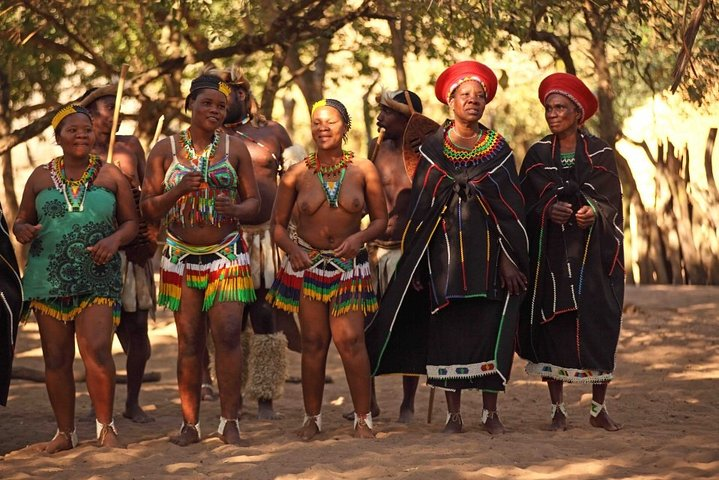
A cultural tour in the Mahale region should provide accurate context about the communities of western Tanzania.
Responsible operators may incorporate cultural interpretation before or after the national park component.
Travellers can learn about Lake Tanganyika's importance for transport, fishing and livelihoods.
Such experiences should be organised with local participation.
Communities should never be presented merely as visual attractions.
Lake Tanganyika
Lake Tanganyika is fundamental to Mahale's identity.
It is one of the world's great freshwater lakes and forms the western boundary of the park.
The water and mountain backdrop create an atmosphere unlike Tanzania's inland savannahs.
Visitors can spend quiet periods beside the lake between forest activities.
This slower time is an important part of a short Mahale stay.
Day two: chimpanzee trekking
The main activity is usually chimpanzee trekking in Mahale.
Visitors enter the forest with professional guides who understand chimpanzee movements and behaviour.
The trek can vary in length.
Chimpanzees are wild, and their location changes naturally.
Travellers should therefore arrive prepared for walking rather than expecting the animals to remain close to accommodation.
Forest terrain
The Mahale landscape can be physically demanding.
Trails may be steep, humid or slippery.
Good walking shoes are essential.
Long trousers and long sleeves provide protection against vegetation and insects.
A small backpack can carry water and essential camera equipment.
Visitors should communicate any physical limitations before trekking begins.
Encountering chimpanzees
Finding chimpanzees in a natural forest environment can be extraordinary.
Visitors may observe grooming, feeding, resting or social interaction.
Exact behaviour cannot be predicted.
Guides explain the rules that protect both chimpanzees and visitors.
Current health and viewing protocols must be followed carefully because great apes are vulnerable to human illnesses.
Photography
Forest photography is challenging.
Light levels can be low and subjects may move quickly.
A camera capable of good performance at higher ISO settings is useful.
Photographers should avoid carrying excessive equipment because they must walk with it.
Flash should not be used around chimpanzees.
Sometimes the best decision is to lower the camera and simply observe.
Other forest wildlife
Chimpanzees are the main attraction, but visitors should notice the wider ecosystem.
Birds, butterflies and other primates may contribute to the walk.
Guides can explain plants and animal signs along the trail.
This broader interpretation prevents the experience from becoming only a search for one species.
Mahale is a complete forest ecosystem rather than a chimpanzee enclosure.
Returning to the lake
After trekking, the lakeshore provides an ideal contrast.
Travellers can rest and enjoy the view.
Depending on accommodation and approved activities, there may be opportunities for swimming or boating under appropriate local guidance.
Visitors should always follow safety advice.
Lake conditions and wildlife considerations need to be respected.
Cultural understanding through food
Meals can provide another opportunity to understand western Tanzania.
Local ingredients and fish may influence menus depending on the property.
Travellers can ask guides or hosts about food traditions rather than treating meals as separate from the destination.
First-time visitors often learn more through informal conversations than through highly structured presentations.
Day three
The final morning depends on departure timing.
If flights allow, travellers may enjoy another short activity before leaving.
This could involve a lakeshore walk, forest experience or simply breakfast overlooking Lake Tanganyika.
The transfer then begins towards the airstrip.
Adequate connection time should be maintained because remote aviation schedules can be influenced by operating conditions.
First-time visitor expectations
Mahale is not a conventional safari.
Travellers should not expect daily vehicle game drives or extensive urban facilities.
The attraction lies in forest trekking, chimpanzees and remoteness.
Understanding this before arrival helps visitors appreciate what the destination genuinely offers.
Those seeking lions and large savannah herds should combine Mahale with a different protected area.
Accommodation
Remote lodges often provide surprisingly high levels of comfort, but guests should remember where they are.
Power, connectivity and other services may operate differently from urban hotels.
The natural setting is the primary luxury.
A room or tent close to Lake Tanganyika can provide extraordinary views.
Travellers should follow lodge safety instructions, particularly after dark.
Packing
Soft luggage is useful for light aircraft.
Walking shoes are essential.
Travellers should also bring long trousers, lightweight long sleeves and a rain layer.
Sun protection is needed around the lake.
Binoculars enhance bird and primate viewing.
Camera equipment should remain manageable enough to carry during trekking.
Health preparation
Visitors should seek professional travel-health advice before departure.
Chimpanzee tourism may have specific health requirements designed to protect the animals.
Anyone experiencing symptoms of contagious illness should inform guides.
Personal medication should remain accessible.
Travel insurance should cover remote destinations and planned activities.
Responsible cultural tourism
Any community experience should involve consent and appropriate local participation.
Visitors should ask before taking close photographs.
Children should not be treated as automatic photographic subjects.
Purchasing locally made products can support livelihoods when done through appropriate channels.
Respectful cultural tourism is based on exchange and learning rather than observation alone.
Responsible primate tourism
Chimpanzees must never be fed or touched.
Visitors should maintain the distance instructed by guides.
Noise should remain controlled.
The group should follow current rules regarding masks or other health measures where required.
These restrictions exist because responsible tourism must protect the primates that make the experience possible.
Is three days enough?
Three days are short for such a remote destination.
The itinerary works best when flights align efficiently.
Travellers with additional time should consider staying longer because weather or chimpanzee movements can affect individual days.
Nevertheless, a carefully planned three-day visit can provide a strong introduction.
The journey should remain focused rather than adding unnecessary activities.
Completing the Mahale fly-in journey
A 3-Day Fly-in Cultural tour in Mahale Mountains National Park for First-time visitors combines remote travel, regional cultural context and one of Tanzania's most remarkable primate environments.
Mahale's chimpanzees, forested mountains and Lake Tanganyika setting create an experience completely different from a traditional savannah safari.
Efficient flights make a short visit possible, while professional guides help first-time visitors understand both the ecosystem and the wider human landscape. The result is a memorable Mahale Mountains experience built around nature, learning and responsible travel.
Accommodation Options in Kigali

Ready to Experience This Classic Safari?
Let our expert team customise this 3-day itinerary to match your interests and travel dates.
