
2 Day Budget Safari
2-Day Budget Birdwatching in Virunga National Park for First-time visitors
Plan a 2-day budget Virunga birdwatching safari for first-time visitors with practical advice on guides, habitats, packing and regional alternatives.
- Budget Experience Comfortable Lodges & Camps
- Wildlife Safari An unforgettable encounter
- Kigali Experience Culture, dining & relaxation
- Tailor-Made Customised for you
Overview
Why Choose Birdwatching in Virunga?
A 2-day budget birdwatching safari in Virunga National Park for first-time visitors can provide a rewarding introduction to one of Central Africa's most biologically diverse regions. Birdwatching allows travelers to experience the landscape slowly, paying attention to forests, mountains and the smaller details that visitors sometimes overlook during conventional wildlife safaris.
Virunga National Park lies within the wider Albertine Rift region of eastern Democratic Republic of Congo. Differences in altitude and habitat contribute to impressive biological diversity.
For beginners, two days can provide enough time to learn basic birdwatching techniques and understand why specialist guiding makes such a difference. The objective should not be to identify every possible species. A short safari becomes more rewarding when visitors observe behavior and understand habitats rather than chasing an unrealistic checklist.
Travel conditions in eastern DR Congo can change. Visitors must confirm current park operations and official travel advice before booking. Rwanda and Uganda also provide excellent Albertine Rift birding alternatives when Virunga access is unsuitable.
The Virunga birdwatching experience is appealing because the wider region contains diverse habitats.
Mountains and forests create ecological conditions that differ significantly from open savannah parks.
Visitors may hear birds long before they see them.
This makes the experience highly interactive.
A guide may identify a call and then help visitors locate the bird among leaves and branches.
First-time birders quickly discover that birdwatching involves much more than recognizing colors.
Behavior, habitat, sound and movement all contribute to identification.
This learning process makes even common species interesting.
Why Two Days Works for Beginners
A single birding morning can feel overwhelming.
Visitors are introduced to unfamiliar names, calls and habitats at once.
A two-day itinerary creates time to learn gradually.
The first day can focus on basic identification and general nature observation.
By the second morning, visitors often recognize several species or calls they encountered earlier.
This small amount of familiarity dramatically improves confidence.
Two days also provides some protection against poor weather.
If rain affects one session, another opportunity remains.
For travelers testing whether birdwatching interests them, this duration offers a practical starting point.
What Makes the Albertine Rift Special?
The Albertine Rift is internationally recognized for biodiversity.
Its geography creates a variety of habitats across different elevations.
Some wildlife species have restricted distributions within the region.
This makes the area particularly interesting to experienced naturalists.
Beginners do not need to memorize ecological terminology.
A good guide can explain why certain birds prefer particular forest levels or elevations.
These explanations help travelers understand that conservation involves more than protecting individual species.
Birds depend on complete habitats for feeding, nesting and survival.

Detailed Itinerary
-
DAY
1
Beginning the Birdwatching Experience
The first morning should start early when current park arrangements allow.
Cooler morning conditions can provide active birdlife.
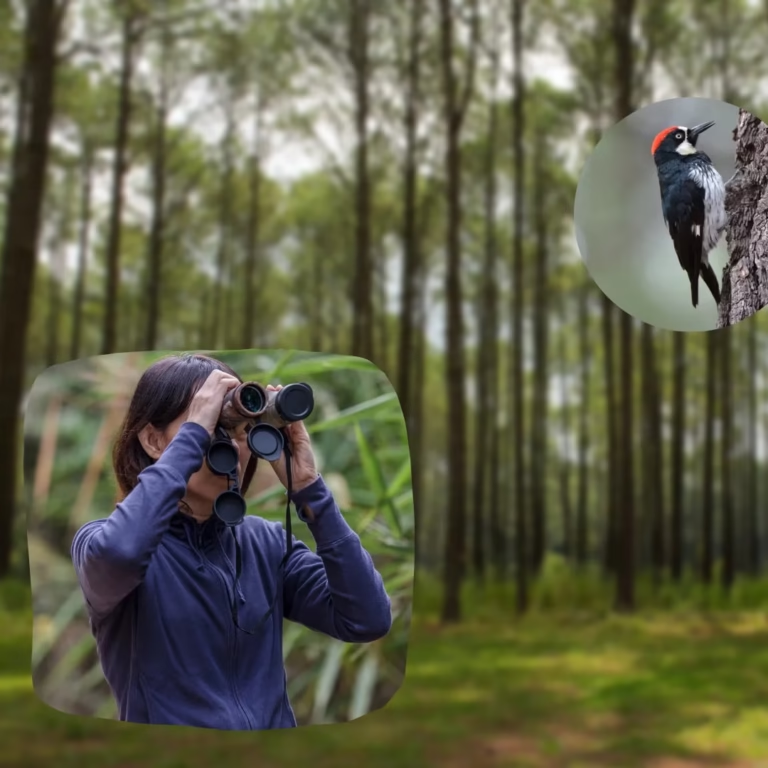
After meeting the guide, visitors can receive a simple introduction to binoculars and field observation.
Beginners should explain their experience level honestly.
A specialist guide can then avoid overwhelming them with unnecessary technical information.
The first session should focus on visible species and useful identification features.
Visitors can learn to notice beak shape, body size, movement and habitat.
This creates a strong foundation for the rest of the safari.
Learning to Use Binoculars
Binoculars are one of the most important pieces of birdwatching equipment.
First-time users sometimes struggle to locate a bird through them.
The easiest technique is to look directly at the bird first.
Without moving the head, raise the binoculars toward the eyes.
This makes it easier to keep the subject within view.
Visitors should adjust focus before the main birding session begins.
A lightweight pair is often more comfortable than very large binoculars.
Budget travelers do not need the most expensive optics available.
Clear, functional equipment is enough to begin enjoying birds.
Listening for Birds
Forest birding depends heavily on sound.
Many species remain hidden within vegetation.
A guide may hear a distinctive call before anyone sees movement.
Beginners should use these moments to learn rather than becoming frustrated.
Listening gradually changes how travelers experience a forest.
What initially sounds like general background noise begins separating into different calls.
After several hours, visitors may recognize a species they heard earlier.
This progression can become one of the most satisfying parts of a first-time birdwatching safari.
Afternoon Birding on Day 1
After a midday break, the group can return to the field when appropriate.
The afternoon should not simply repeat the morning route.
A different habitat can introduce new species and show how bird communities change across the landscape.
Visitors should also pay attention to other wildlife.
Butterflies, primates and plants can add interest.
A birding safari does not require ignoring everything without feathers.
Understanding the complete ecosystem makes the bird observations more meaningful.
The first day can finish with a review of the most memorable sightings rather than an exhausting late return.
Keeping a Simple Bird List
Beginners may enjoy keeping a record of what they see.
The list does not need to become competitive.
A notebook or phone can record species identified confidently by the guide.
Travelers may also note interesting behavior.
For example, recording where a bird was feeding can be more memorable than writing only its name.
Photographers can connect images with the list later.
This simple habit helps visitors remember the safari after returning home.
It also makes the second day more interesting because travelers can identify which species they would like to observe again.
-
DAY
2
Building on the First Day
The second morning can begin with greater confidence.
Visitors already understand how the guide works and how to use binoculars.
They may recognize a few calls.
This allows the group to explore birding more deeply.
The guide can introduce less obvious species or explain subtle identification differences.
Travelers should still avoid becoming obsessed with numbers.
The goal is to leave with a stronger understanding of birds and habitats.
A relaxed second day often converts first-time visitors into enthusiastic birdwatchers.

Bird Photography for Beginners
Bird photography can be challenging because subjects move quickly.
Beginners should not expect every photograph to be perfect.
A moderate telephoto lens can help.
Smartphones may work for larger or closer birds, but distant forest species will be difficult.
Travelers should concentrate on steady camera technique and suitable shutter speeds.
Never disturb a bird to obtain a photograph.
Avoid approaching nests closely.
A photograph of natural behavior is more valuable than an artificially close image created through disturbance.
Budgeting for the Safari
A budget birdwatching safari should focus spending on good guiding and reliable transportation.
Luxury accommodation is not necessary for a two-day experience.
A simple lodge or guesthouse with a convenient location may provide excellent value.
Travelers should compare complete costs rather than only room prices.
A very cheap property far from the birding area can create higher transportation expenses.
Sharing selected transport with a small number of travelers may also reduce costs where suitable.
However, visitors should never compromise safety or use unauthorized services simply to obtain the lowest price.
Choosing Budget Accommodation
The ideal accommodation should be clean, secure and reasonably close to the planned activities.
Birdwatchers often start early, so location matters.
Ask whether breakfast can be provided before departure or packed.
Reliable hot water is welcome after a long field day.
Electricity matters for travelers charging phones or cameras.
Luxury facilities are unnecessary when guests spend most daylight hours birdwatching.
Budget travelers should therefore prioritize practical services over decorative extras.
A well-located simple property can be one of the smartest decisions within the itinerary.
What to Wear
Long trousers and long-sleeved shirts work well in forest environments.
They provide protection from vegetation and insects.
Comfortable walking shoes or hiking boots are important.
A lightweight waterproof jacket should remain accessible because tropical weather can change quickly.
Travelers should also carry a hat for more open environments.
Neutral clothing can be practical, although beginners do not need an entirely new safari wardrobe.
Comfort matters more than fashion.
Clothing should allow easy walking and remain comfortable through changing temperatures.
What to Carry
A small daypack is enough for most birding sessions.
Carry drinking water, personal medication and waterproof clothing.
Binoculars should remain easily accessible.
A camera is optional.
Travelers can also bring a notebook or identification guide.
Avoid carrying unnecessary weight.
Birdwatching often involves long periods on foot, and heavy bags become tiring.
Important documents and electronics should remain protected from moisture.
A simple waterproof inner bag can provide inexpensive protection during unexpected rain.
Why a Specialist Bird Guide Matters
A knowledgeable guide adds enormous value.
Forest birds can be difficult to identify.
A specialist recognizes calls and understands where different species are likely to occur.
They can also explain behavior and habitat.
For beginners, the guide should communicate clearly without turning every sighting into a technical lecture.
A patient guide allows visitors time to locate the bird themselves.
This creates a much more satisfying experience than simply hearing a long sequence of species names.
Good guiding is one expense budget travelers should not reduce unnecessarily.
Responsible Birdwatching
Birds should never be disturbed simply to improve a sighting.
Visitors should remain on authorized trails.
Do not approach nests closely.
Avoid repeated use of recorded calls to force birds into view.
Such behavior can interfere with natural territorial and breeding activities.
Travelers should also carry rubbish back to suitable disposal areas.
These practices may seem simple, but they protect the habitats that make birdwatching possible.
Responsible visitors leave the forest with photographs and memories rather than physical traces of their presence.
Other Wildlife During the Safari
The Virunga ecosystem contains far more than birds.
Visitors may encounter signs of mammals, primates or other wildlife according to the selected area.
A guide can explain tracks and calls.
Beginners should remain curious.
An unexpected butterfly or primate sighting may become a highlight even though it was not part of the bird list.
This broader approach makes a short safari more satisfying.
Wildlife exists within interconnected ecosystems, and birdwatching provides an excellent way to begin noticing those connections.
Combining Birding With Gorilla Trekking
The wider Virunga region is famous for mountain gorillas.
Travelers may consider adding gorilla trekking when authorized operations are available.
However, this requires separate permits, additional time and a larger budget.
A two-day birding package should not imply that gorilla trekking is automatically included.
Visitors with limited time should decide which experience is their priority.
Those able to extend the safari can create a broader primate and birding journey.
Current access must always be confirmed before making plans.
Rwanda as an Alternative
Rwanda provides excellent birding when Virunga access is unsuitable.
Volcanoes National Park protects highland habitats within the wider Virunga landscape.
Nyungwe National Park offers extensive montane forest.
Akagera National Park adds wetlands, woodland and savannah.
These environments create substantial variety.
A Rwanda birdwatching safari can also combine naturally with Lake Kivu.
First-time birders can begin with a short experience and extend the journey if they become more interested.
Uganda as an Alternative
Uganda provides another strong birdwatching option.
Bwindi contains rich forest habitat, while Queen Elizabeth National Park adds wetlands and savannah.
Kibale provides another forest environment.
Murchison Falls National Park offers extensive wildlife and birding opportunities.
Travelers can therefore build a longer Uganda birdwatching safari after beginning with a short specialist experience.
Uganda also works well for visitors who want to combine birds with mountain gorillas, chimpanzees and traditional wildlife viewing.
Safety and Current Virunga Conditions
Travelers should never plan Virunga travel using outdated information alone.
Eastern DR Congo has experienced changing security conditions.
Official government travel advisories should be checked before booking.
Travelers should also obtain current information from relevant authorities.
Check again shortly before departure.
Travel insurance should cover the destination and planned activities.
If conditions make the safari unsuitable, travelers should use an alternative birding route.
Rwanda and Uganda provide strong options without abandoning the wider Albertine Rift theme.
Is Two Days Enough for Serious Birders?
Experienced birdwatchers will usually want more time.
Two days cannot explore every habitat or target every specialist species.
However, the page is designed for first-time visitors.
For beginners, two days provides a useful introduction without requiring a major commitment.
Travelers can learn basic techniques, discover whether they enjoy forest birding and understand the value of specialist guiding.
Those who become enthusiastic can later plan a longer birding safari.
Starting small is often better than booking an intensive expedition before knowing whether the pace suits personal interests.
Plan Your 2-Day Virunga Birdwatching Safari
A 2-day budget birdwatching safari in Virunga National Park for first-time visitors can transform the way travelers experience African nature.
Instead of focusing only on large mammals, visitors learn to listen carefully, use binoculars and recognize how birds depend on different habitats.
Gecko Safaris Africa can structure short birding journeys according to current access and budget. When Virunga is unsuitable, Rwanda and Uganda provide excellent regional alternatives.
Two days will not reveal every bird in the Albertine Rift. It can achieve something more important for a beginner. It can teach travelers how to slow down, notice wildlife they once overlooked and leave Africa with a new interest that can shape many future safaris.
Accommodation Options in Kigali


Ready to Experience This Budget Safari?
Let our expert team customise this 2-day itinerary to match your interests and travel dates.
