
18 Day Private Safari
18-Day Private Hot-air balloon safari in Nyerere National Park for Photographers
Plan an 18-day private photographic safari in Nyerere with game drives, river landscapes and a hot-air balloon experience where available.
- Private Experience Private Luxury Lodges
- Wildlife Safari An unforgettable encounter
- Kigali Experience Culture, dining & relaxation
- Tailor-Made Customised for you
Overview
Why Nyerere appeals to photographers
An 18-Day Private Hot-air balloon safari in Nyerere National Park for Photographers is built around space, changing light and the varied landscapes of southern Tanzania. Nyerere National Park offers river systems, woodland, open country and rich wildlife, giving photographers opportunities to create a diverse portfolio rather than focusing on a single habitat.
A hot-air balloon component, when operationally available for the chosen location and dates, adds an aerial perspective. From above, photographers can appreciate patterns in vegetation, waterways and wildlife movement that are difficult to understand from ground level.
Eighteen days also create enough time for private game drives, river-based experiences and repeat visits to productive areas without rushing.
Why Nyerere appeals to photographers
Nyerere National Park protects an enormous area in southern Tanzania.
The landscape differs from the endless plains often associated with northern Tanzania. Rivers, lakes, woodland and open spaces create complex photographic backgrounds.
The Rufiji system is particularly important. Water attracts wildlife and produces opportunities for reflections, environmental portraits and bird photography.
Photographers who enjoy combining wildlife with landscape can find Nyerere especially rewarding.
Private safari advantages
A private photographic safari provides control over timing.
Photographers can leave camp early, wait at sightings and adjust the route according to light and wildlife activity.
There is no pressure to leave an animal simply because unrelated passengers want to continue driving.
Vehicle space is also important. Large telephoto lenses and camera bags require room.
A private vehicle allows equipment to remain organised and accessible.
Preparing for a balloon experience
A hot-air balloon safari is highly dependent on local operations, weather and safety conditions.
Travellers should confirm current availability for their exact dates rather than assuming that balloon flights operate every day or from every section of Nyerere.
When available, the experience normally requires an early start.
Passengers receive safety instructions before launch and must follow the crew's directions throughout the flight and landing.
Photography from a balloon
Balloon photography differs significantly from ground-based wildlife photography.
The objective is often not a close portrait. Instead, photographers can concentrate on patterns, landscapes and animals within their wider environment.
A moderate zoom lens can be more practical than a very large telephoto lens in the basket.
Camera straps should be secure, and equipment changes should be minimised.
The pilot's safety instructions always take priority over photography.
Morning light from the air
The low morning sun can produce long shadows and texture across the landscape.
Rivers and channels may reflect the sky, while trees create patterns that are difficult to appreciate from ground level.
Wildlife viewed from above can communicate scale in an entirely different way.
Photographers should remain realistic. The balloon follows wind conditions, so exact subjects and routes cannot be controlled.
This unpredictability is part of the experience.
Ground-based game drives
Private game drives remain the core of the safari.
Elephants, giraffes, buffaloes and numerous antelope species may be encountered. Predators can also provide important photographic opportunities.
The guide should understand that photographers often need more time than ordinary sightseeing visitors.
A lion resting in poor light may become an excellent subject twenty minutes later if it moves into a stronger position.
Patience is essential.
Predator photography
Lions are among the major predators photographers hope to encounter.
Instead of concentrating exclusively on close portraits, photographers can watch for social interactions, movement and environmental compositions.
Other predators may be more elusive.
Wildlife sightings should never be forced. Guides must respect park rules and maintain appropriate distances.
Ethical behaviour protects both animals and the quality of the encounter.
Elephants and environmental images
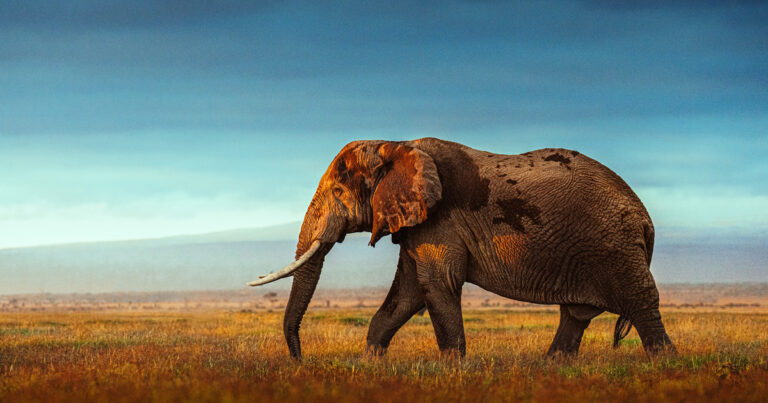
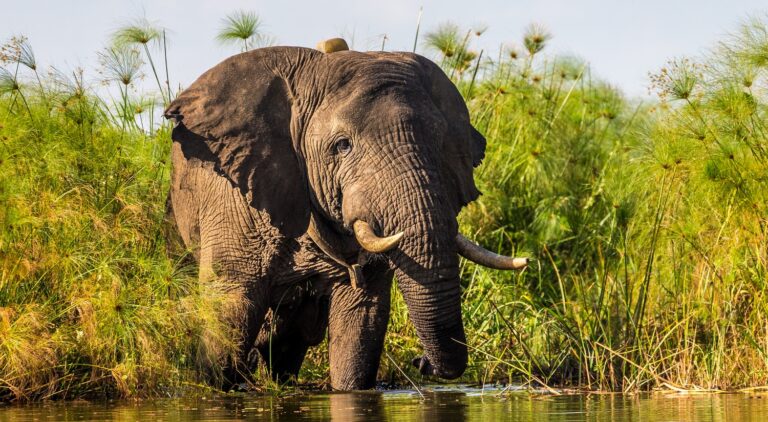
Nyerere's landscapes provide excellent opportunities to photograph elephants within their habitat.
A wide composition showing an elephant beside a river or among woodland can communicate more about the destination than a tightly cropped headshot.
Dust and backlighting can add atmosphere during dry conditions.
Photographers should think in sequences: wide scene, medium composition and detail.
This creates a more complete visual story.
River photography
The Rufiji River environment distinguishes Nyerere from many other safari areas.
Boat activities, where offered and permitted, can provide low perspectives on hippos, crocodiles and water birds.
Camera equipment should be protected from splashes.
A beanbag or compact support can help stabilise longer lenses depending on the boat design.
Photographers must follow the guide's safety instructions because hippos and crocodiles require considerable respect.
Bird photography
Nyerere can be highly rewarding for bird enthusiasts.
Water-associated species, raptors and colourful woodland birds provide constant subjects between mammal sightings.
Fast shutter speeds and reliable autofocus settings are useful for birds in flight.
Travellers should practise these techniques before departure.
A guide who understands bird calls can help locate species before they become visible.
Accommodation for photographers
Safari accommodation should be evaluated partly according to its practical facilities.
Reliable charging is essential. Photographers may need to recharge several camera batteries, laptops and backup drives.
Rooms should provide enough secure space for equipment.
Location also matters because a camp near productive areas can reduce time spent driving before photography begins.
Comfortable beds are important when the daily schedule includes very early departures.
Image backup
An eighteen-day safari can produce thousands of photographs.
Relying on one memory card or one hard drive creates unnecessary risk.
Photographers should use a simple backup system, ideally keeping copies in separate physical locations.
Images can be reviewed during midday breaks rather than sacrificing productive morning or evening light.
Enough memory cards should be carried to avoid repeatedly deleting files in the field.
Managing dust and moisture
Safari environments are hard on camera equipment.
Dust can enter bags, lenses and camera bodies during dry conditions. Lens changes should be limited when the vehicle is moving or the air is dusty.
A blower and basic cleaning equipment are useful.
Boat activities create the opposite problem: moisture.
Waterproof covers or dry bags can protect equipment near rivers.
Seasonal considerations
Nyerere's visual character changes through the year.
Drier conditions can produce dusty colours and concentrate wildlife near water.
Greener periods create richer vegetation and attractive backgrounds.
Birding can also vary seasonally.
Photographers should choose travel dates according to the type of imagery they hope to create rather than assuming one season is universally superior.
Ethical photography
Responsible wildlife photography is central to the itinerary.
Animals should never be surrounded or pressured simply because several photographers want a particular angle.
Drivers should remain on authorised routes.
Calls, food and other methods should never be used to manipulate wildlife behaviour.
A photograph has greater value when it represents an authentic encounter.
Rest and editing time
Eighteen days of continuous dawn-to-dusk photography can become exhausting.
The itinerary should include slower afternoons or occasional later starts.
These periods allow photographers to back up files, clean equipment and review images.
Rest also improves concentration during subsequent drives.
Longer itineraries are most productive when photographers manage their energy carefully.
Why eighteen days matter
An 18-day Nyerere photographic safari provides repeated opportunities rather than relying on luck during a short stay.
Photographers can revisit productive locations under different light.
A disappointing morning does not create pressure because many more sessions remain.
The balloon experience can be integrated without sacrificing ground-based game drives.
This creates a richer and more complete photographic journey.
Completing the Nyerere photography safari
An 18-Day Private Hot-air balloon safari in Nyerere National Park for Photographers combines aerial perspective with patient ground-level wildlife photography.
Nyerere's waterways, elephants, predators and birds provide diverse subjects, while a balloon flight, where available and safely operated, reveals the landscape from an entirely different viewpoint.
Private guiding gives photographers control over pace and positioning. With sufficient time for Nyerere wildlife photography, river experiences and careful image management, eighteen days can produce both a strong photographic portfolio and a deeper understanding of southern Tanzania's wilderness.
Accommodation Options in Kigali


Ready to Experience This Private Safari?
Let our expert team customise this 18-day itinerary to match your interests and travel dates.
