
18 Day Private Safari
18-Day Private Birdwatching in Amboseli National Park for Photographers
Explore Amboseli on an 18-day private birdwatching safari for photographers with wetlands, raptors, wildlife and Mount Kilimanjaro scenery.
- Private Experience Private Luxury Lodges
- Wildlife Safari An unforgettable encounter
- Kigali Experience Culture, dining & relaxation
- Tailor-Made Customised for you
Overview
Photograph the Birds and Landscapes of Amboseli
An 18-Day Private Birdwatching Safari in Amboseli National Park for Photographers provides time to explore one of Kenya's most visually distinctive ecosystems without rushing through the destination.
Amboseli is widely recognized for its elephants and views toward Mount Kilimanjaro, but the park also provides rewarding birdwatching. Wetlands, open plains, acacia woodland, seasonal water areas, and dry habitats support an impressive range of bird species.
A private safari works particularly well for photographers. The vehicle does not need to leave a bird sighting simply because other guests have different priorities. Departure times can also be discussed with the guide according to light, bird activity, and photographic objectives.
The extended eighteen-day format allows travelers to combine Amboseli with other Kenyan habitats. This increases the range of birds, landscapes, and mammals that can be photographed during the journey.
Why Choose Amboseli for Bird Photography?
Amboseli's variety of habitats creates diverse birding opportunities within a relatively accessible area.
Wetlands support waterbirds, while open plains attract ground-dwelling species and raptors.
Wooded areas provide habitat for smaller birds that can require considerably more patience to locate and photograph.
Mount Kilimanjaro adds an extraordinary landscape element. When the mountain is visible, photographers can create environmental images combining wildlife, birds, and Africa's highest mountain.
Cloud conditions change quickly, so spending several days in Amboseli improves opportunities for clear views.
Detailed Itinerary
-
DAY
1
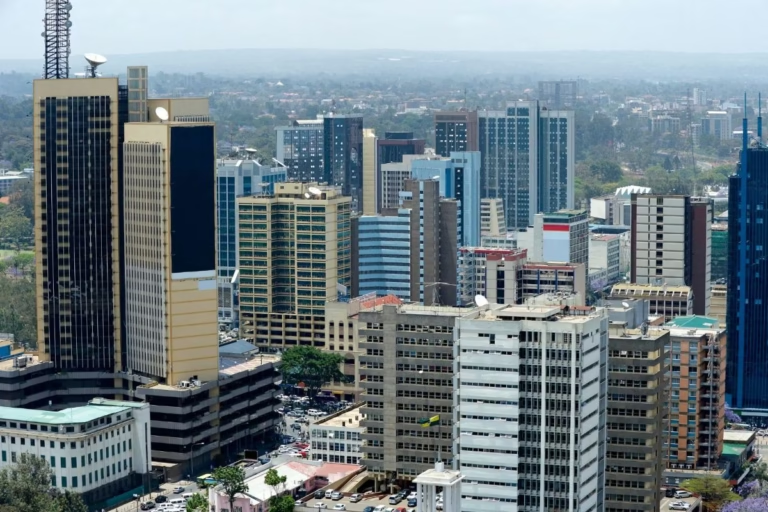
Arrival in Nairobi
Arrive at Jomo Kenyatta International Airport and meet your private safari representative.
Transfer to your Nairobi accommodation and spend the remainder of the day resting.
Photographers can use the evening to organize cameras, lenses, batteries, memory cards, and storage devices.
Meet your guide for a briefing about the route, birding objectives, and expected conditions.
Enjoy dinner before beginning the safari.
-
DAY
2
Nairobi to Amboseli National Park
After breakfast, travel south toward Amboseli National Park.
The journey introduces Kenya's changing landscapes as urban areas gradually give way to open country.
Arrive at your lodge or tented camp and settle into the accommodation.
Take an afternoon birding and wildlife drive.
Begin identifying common species while becoming familiar with Amboseli's different habitats.
If conditions are clear, Mount Kilimanjaro may provide an impressive background.
-
DAY
3
Early Morning Bird Photography
Depart early when birds are active and the light remains soft.
Morning birding can be particularly productive because many species feed actively before temperatures rise.
Search woodland edges, open areas, and wetlands according to recent activity.
Photography requires a slower approach than ordinary game viewing. Your private guide can position the vehicle carefully while avoiding disturbance.
Return to the lodge during midday before another afternoon session.
-
DAY
4
Amboseli Wetland Birds
Spend today concentrating on Amboseli's wetlands and permanent water areas.
These habitats can attract herons, egrets, storks, ibises, ducks, geese, kingfishers, and other water-associated birds.
Raptors may also patrol the surrounding landscape.
The abundance of larger mammals around wetlands can create unusual photographic compositions. Elephants, buffaloes, and other animals may share the landscape with numerous birds.
Return to your accommodation after a full day of birding.

-
DAY
5
Raptors and Open-Country Species
Amboseli's open habitats provide opportunities to search for birds of prey.
Eagles, vultures, kestrels, hawks, and other raptors can occur within the wider ecosystem.
Photographing flying birds requires suitable camera settings and patience.
Your guide can watch for perches and areas where raptors regularly hunt.
Ground-dwelling species can also be encountered across the plains.
Spend the afternoon continuing through different habitats before returning to the lodge.

-
DAY
6
Mount Kilimanjaro Photography
Weather permitting, dedicate the early morning to creating images that incorporate Mount Kilimanjaro.
The mountain is often clearest during cooler morning hours before clouds develop.
Although Amboseli lies in Kenya, Kilimanjaro itself stands across the border in Tanzania.
Photographers often seek compositions showing elephants or other wildlife beneath the mountain. Bird photographers can also look for opportunities to include birds within the broader landscape.
Conditions cannot be controlled, making patience essential.

-
DAY
7
Small Birds and Woodland Habitats
Today moves attention away from Amboseli's large wildlife and toward smaller bird species.
Search acacia woodland, bushes, and vegetation around suitable water sources.
Smaller birds can be challenging to photograph because they move quickly and may remain partly hidden.
Your private vehicle gives you the freedom to spend additional time waiting for a subject to move into a better position.
Return to the lodge for lunch before another late-afternoon birding session.
-
DAY
8
Full-Day Amboseli Birding Safari
Carry a picnic lunch and spend a full day exploring different sections of Amboseli.
The longer drive allows the guide to revisit productive habitats and investigate areas farther from the lodge.
Record both common and unusual species rather than focusing exclusively on rare birds.
Common birds often provide excellent photographic opportunities because travelers can spend more time observing their behavior.
Return to your accommodation in the evening.
-
DAY
9
Elephants, Birds and Environmental Photography
Amboseli is internationally famous for elephants, and today combines bird photography with broader wildlife storytelling.
Birds frequently interact with large mammals. Oxpeckers, cattle egrets, and other species may feed around or on mammals.
These interactions provide excellent behavioral images.
Spend time photographing elephants within the wider ecosystem while continuing to record birdlife.
This balanced approach creates a stronger photographic representation of Amboseli than birds alone.

-
DAY
10
Sunrise and Sunset Photography
Today is structured around the best available light.
Begin before sunrise and position yourself for early landscape and bird photography.
Return to the lodge when light becomes harsher and spend midday resting or backing up photographs.
Head out again later in the afternoon.
The final hours before sunset can create warm colors, silhouettes, reflections, and dramatic environmental photographs.
Return to the lodge after another productive day.
-
DAY
11
Travel to Another Birding Habitat
After breakfast, leave Amboseli for another Kenyan birding destination.
The second ecosystem should contrast with Amboseli and increase the range of species available.
Depending on the final route, this may involve highland, Rift Valley, woodland, or freshwater habitats.
Arrive at your accommodation and take an introductory birding excursion.
Record the first species associated with the new environment.

-
DAY
12
Full-Day Birding in the New Ecosystem
Begin early and spend the day searching for species that were absent from Amboseli.
Different elevation, vegetation, rainfall, and water conditions influence bird distribution.
A knowledgeable guide can identify species through calls, flight patterns, habitat preferences, and physical characteristics.
Photographers should remain patient with smaller birds.
Return to the lodge in the evening and organize the day's images.
-
DAY
13
Waterbird Photography
If the route includes an appropriate lake or wetland, dedicate today to waterbirds.
Photographic opportunities may include birds feeding, flying, displaying, bathing, or interacting around shorelines.
Reflections can create particularly attractive compositions when water remains calm.
Boat activities may be possible in selected destinations, subject to safety and local regulations.
Always maintain respectful distances from nesting or feeding birds.
-
DAY
14
Raptors and Bird Behavior
Concentrate on behavioral photography.
Instead of simply recording species, look for feeding, courtship, territorial disputes, flight, hunting, and interaction between birds.
Behavioral photographs often require longer waiting periods.
A private safari is ideal because the schedule can remain focused on a promising subject.
Your guide can help anticipate behavior based on experience and observation.

-
DAY
15
Final Extended Birding Day
Spend another complete day in the field.
By this point, photographers can review which species or habitats deserve additional attention.
Return to productive areas or search for species that have remained elusive.
Do not allow a checklist to overwhelm the experience. Even common birds can produce outstanding photographs under good light.
Finish the day with a final evening session.
-
DAY
16
Return Toward Nairobi
After breakfast and a short morning birding activity, begin traveling toward Nairobi.
Continue watching for birds along the route where appropriate.
Arrive at your hotel and spend the afternoon resting.
Photographers should use the evening to create additional backups of important images.
Keeping photographs on more than one storage device reduces the risk of losing the results of the journey.

-
DAY
17
Nairobi Birding or Leisure
The final complete day can remain flexible.
Travelers may arrange a birding excursion around an appropriate Nairobi nature area or simply rest before the international flight.
Urban and peri-urban environments can contain surprisingly diverse birdlife.
Those who prefer relaxation can use the day to organize photographs and prepare luggage.
Enjoy a final dinner in Kenya.
-
DAY
18
Departure
After breakfast, transfer privately to Jomo Kenyatta International Airport.
Your 18-Day Private Birdwatching Safari in Amboseli National Park for Photographers concludes after exploring wetlands, open plains, woodland habitats, wildlife areas, and contrasting birding destinations.
The private format provides the flexibility required for serious bird observation and photography.

Birds to Look for in Amboseli
Amboseli's exact bird list varies according to season and habitat conditions.
Wetlands can attract herons, egrets, storks, pelicans, ducks, geese, and other waterbirds.
Open habitats support ground birds and numerous raptors.
Woodland and bush habitats contain smaller species that may require more patient searching.
Migratory species can add further variety during suitable seasons.
A knowledgeable bird guide significantly improves both identification and photography opportunities.
Bird Photography Equipment
A telephoto lens is extremely useful for bird photography.
Long focal lengths allow photographers to maintain respectful distances while still producing detailed images.
A camera capable of reliable autofocus helps with birds in flight.
Bring spare batteries and plenty of memory cards.
A beanbag provides useful support when photographing from a safari vehicle.
A wider lens should also be carried for landscapes and environmental compositions involving Kilimanjaro.
Best Time for Amboseli Birdwatching
Amboseli provides birding opportunities throughout the year.
Seasonal rainfall influences wetland conditions, vegetation, and bird distribution.
Migratory species can increase diversity during parts of the year.
Drier periods can concentrate wildlife around permanent water, creating excellent opportunities to photograph birds alongside mammals.
Travel dates should therefore reflect the photographer's priorities rather than relying only on traditional big-game safari seasons.
Why a Private Safari Is Better for Photographers
A private vehicle provides considerably more flexibility.
Photographers can remain at a productive sighting without worrying about unrelated priorities from other guests.
Departure times can be coordinated with photographic light.
The guide can also position the vehicle according to the photographer's preferred angle where park regulations permit.
Couples or small photography teams can distribute equipment across the vehicle more comfortably.
This flexibility can significantly improve the quality of a specialist photographic safari.
Responsible Bird Photography
Never disturb birds to obtain a photograph.
Avoid approaching active nests too closely or remaining near them for extended periods.
Recorded bird calls should not be used irresponsibly to provoke territorial responses.
Guides should respect protected areas and remain on designated routes where required.
Wildlife welfare should always take priority over obtaining an image.
Responsible behavior produces more natural photographs and protects the species travelers have come to observe.
Photographing Kilimanjaro From Amboseli
Mount Kilimanjaro is one of Amboseli's most recognizable photographic features.
Clear views depend heavily on weather and cloud conditions.
Early mornings can provide favorable visibility, although nothing can be guaranteed.
Rather than focusing exclusively on close wildlife portraits, photographers should prepare a wider lens for environmental compositions.
Birds, elephants, acacia trees, wetlands, and open plains can all be incorporated into images that communicate a stronger sense of place.
What to Pack
Bring lightweight neutral clothing suitable for long days in a safari vehicle.
A warm layer is useful during early morning departures.
Carry sunscreen, sunglasses, a hat, insect repellent, reusable water bottle, binoculars, and personal medication.
Photographers need spare batteries, memory cards, chargers, cleaning equipment, dust protection, and secure storage.
A pair of high-quality binoculars is especially important for identifying distant birds before positioning for photographs.
Plan Your Amboseli Bird Photography Safari
An 18-Day Private Birdwatching Safari in Amboseli National Park for Photographers provides the time and flexibility needed to explore Kenya beyond its famous large mammals.
Amboseli contributes wetlands, open plains, raptors, waterbirds, smaller species, elephants, and extraordinary views toward Mount Kilimanjaro. Additional habitats broaden the bird list and create further photographic opportunities.
The private arrangement allows travelers to concentrate on light, behavior, composition, and patient observation.
For photographers seeking a specialist Kenya safari that combines birds, wildlife, and iconic landscapes, this eighteen-day journey provides a detailed and rewarding experience.
Accommodation Options in Kigali


Ready to Experience This Private Safari?
Let our expert team customise this 18-day itinerary to match your interests and travel dates.