
14 Day Mid-range Safari
14-Day Mid-range Mountain gorilla trekking in Virunga National Park for Small groups
Plan a 14-day mid-range Virunga gorilla trekking safari for small groups with primates, Lake Kivu, wildlife, accommodation and travel advice.
- Mid-range Experience Mid-range Lodges & Hotels
- Gorilla Trekking An unforgettable encounter
- Kigali Experience Culture, dining & relaxation
- Tailor-Made Customised for you
Overview
Why Choose a 14-Day Gorilla Safari?
A 14-day mid-range mountain gorilla trekking safari in Virunga National Park for small groups gives travelers enough time to experience Central Africa beyond a single gorilla trek. Mountain gorillas can remain the central attraction, while forests, volcanic landscapes, Lake Kivu and regional wildlife create a much broader journey.
Fourteen days also allows travelers to maintain a comfortable pace. Instead of moving between accommodations every morning, a small group can spend several nights in important locations. This creates more time for wildlife observation and reduces fatigue from repeated transfers.
Virunga National Park lies in eastern Democratic Republic of Congo and protects part of the wider Virunga ecosystem. The region has extraordinary natural importance, but travel conditions can change. Visitors must confirm current park operations, official travel advice and border conditions before finalizing the safari.
When Virunga access is unsuitable, the same fourteen-day structure can use established gorilla destinations in Rwanda or Uganda. This flexibility protects the quality of the safari without compromising traveler safety.
A gorilla trek may occupy only one important day, but the surrounding region deserves much more time. A fourteen-day itinerary allows visitors to understand the landscapes that support mountain gorillas and other wildlife.
Travelers can also avoid the mistake of spending most of their holiday inside a vehicle.
A well-designed 14-day gorilla trekking safari should create a rhythm. Active forest days can alternate with easier nature experiences, scenic transfers and relaxed evenings.
This structure works particularly well for small groups. Travelers have enough shared activities to create a social atmosphere without following the rigid schedule associated with very large tours.


Detailed Itinerary
-
DAY
1-2
Arrival and Safari Orientation
The first day should remain relaxed after international travel.
Guests can settle into their accommodation and meet the safari representative. A detailed briefing can explain the route, current conditions and what to expect from gorilla trekking.
The second day can provide a gentle introduction to the destination.
Depending on the final routing, travelers might enjoy a cultural experience, city visit or scenic transfer.
Starting gradually gives the group time to recover from flights and become familiar with one another.
It also prevents the safari from beginning with a demanding early-morning activity before everyone has adjusted.

-
DAY
3-4
Journey Toward the Virunga Landscape
The journey toward the Virunga region should form part of the safari experience.
Landscapes change as travelers approach the highlands and volcanic areas.
A knowledgeable guide can explain local geography, conservation and communities along the route.
Where aviation is appropriate and currently operating, selected flights may reduce long transfers.
However, a mid-range safari does not need to fly every sector.
The best itinerary combines road and air transport according to time, cost and practicality.
Two nights around an important destination also provide more value than repeatedly arriving late and departing early.
-
DAY
5
Preparing for Gorilla Trekking
The day before the main trek should not be exhausting.
Travelers can undertake a moderate nature activity or simply enjoy the surrounding landscape.
This is also the time to organize trekking equipment.
Check hiking boots, waterproof clothing, cameras and daypacks.
Travelers should drink enough water and sleep early.
Small groups can use the evening briefing to discuss fitness concerns or photography questions.
Good preparation reduces nervousness.
First-time trekkers often enjoy the experience much more when they understand what the morning will involve.
-
DAY
6
Mountain Gorilla Trekking
The trekking day begins early.
After breakfast, travelers proceed to the authorized briefing point. Park staff explain conservation rules and trekking procedures before groups enter the forest.
The search then begins.
Terrain may include slopes, thick vegetation and muddy sections. Travelers should maintain a steady pace rather than rushing.
When the gorillas are located, the atmosphere changes completely.
Visitors may see adults feeding, youngsters playing or a silverback resting nearby.
The exact encounter cannot be predicted, which makes every Virunga gorilla trekking experience unique.
Experiencing the Gorillas Without Rushing
Photography matters to many travelers, but the camera should not dominate the encounter.
Take photographs when conditions allow, then spend time simply watching.
Notice how gorillas use their hands while feeding. Observe how younger animals interact with adults.
Listen to movement within the vegetation.
These details create a much deeper memory than returning home with hundreds of nearly identical images.
Visitors should follow all guide instructions.
Never touch a gorilla or move closer for photography. Wildlife welfare remains more important than obtaining a particular image.

-
DAY
7
Recovery and Reflection
A slower day after gorilla trekking improves the itinerary.
Depending on the route, travelers can enjoy scenic surroundings or a relaxed nature experience.
Those who found the trek physically demanding will appreciate the recovery time.
The group can also discuss the previous day's encounter.
Guides may provide more information about gorilla conservation and the wider ecosystem.
This helps travelers connect what they observed with the challenges involved in protecting mountain gorillas.
A fourteen-day itinerary provides enough time for this reflection rather than immediately rushing toward another major attraction.

-
DAY
8-9
Lake Kivu Experience
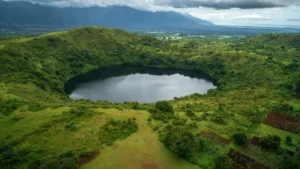
Lake Kivu can provide an excellent contrast to mountain forests.
Travelers can enjoy lakeside scenery and a slower pace.
Photography enthusiasts may appreciate changing light over the water.
A free afternoon gives guests time to enjoy their accommodation.
This is particularly important on a mid-range safari because comfort should be experienced rather than merely booked.
A Lake Kivu and gorilla safari works well because the environments feel completely different.
The lake creates breathing space between demanding wildlife activities and the next stage of the journey.
-
DAY
10-11
Adding Wildlife Diversity
A fourteen-day safari has enough time for another major wildlife environment.
The exact destination depends on current routing.
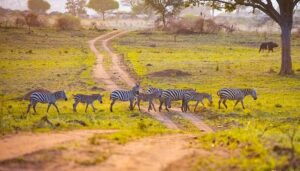
Travelers using Rwanda may consider Akagera National Park for savannah wildlife.
Those continuing through Uganda can explore Queen Elizabeth National Park.
The open landscapes create a strong contrast with gorilla forest.
Game drives can introduce elephants, antelopes and other wildlife according to the destination.
Birdwatching also becomes an important part of these environments.
This variety prevents the entire journey from depending on one species.

-
DAY
12
Nature and Birdwatching
A dedicated nature day can slow the pace again.
Birdwatching works particularly well because the wider Great Lakes region supports impressive diversity.
Travelers do not need specialist knowledge.
A guide can introduce common species and explain their habitats.
Those carrying binoculars will gain much more from the experience.
Photographers can also focus on landscapes and smaller wildlife.
After several days of searching for major mammals, spending time noticing birds and ecological details can deepen appreciation for the complete environment.
-
DAY
13
Cultural and Community Experiences
Wildlife tourism does not exist separately from surrounding communities.
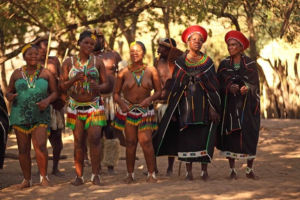
A responsible itinerary can include an appropriately managed cultural or community experience.
The activity should avoid treating residents as displays for tourists.
Instead, travelers can learn about livelihoods, conservation relationships and local traditions.
Ask permission before taking close photographs of people.
Purchasing legitimate local crafts can provide a meaningful way to support community businesses.
A good cultural experience adds context to the safari and helps visitors understand how conservation landscapes connect with human lives.
-
DAY
14
Departure
The final day should allow comfortable time for the airport transfer.
Avoid placing a major activity immediately before an international flight.
Regional transportation can experience delays, and border procedures may require additional time.
Travelers should check documents before leaving the hotel.
Camera equipment and important memory cards should remain securely packed.
The final journey also provides an opportunity to reflect on how varied the previous two weeks have been.
A strong itinerary should leave travelers satisfied rather than exhausted.
Why Small Groups Work Well
Small-group travel offers a useful balance between affordability and personal attention.
Transport and selected services can be shared, reducing costs compared with completely private travel. At the same time, the vehicle remains comfortable and guides can respond to individual interests.
Photographers may request extra time at viewpoints. Birdwatchers can ask questions without feeling rushed. Travelers who need occasional breaks can communicate directly with the guide.
A small group also creates less logistical pressure at hotels and during meals.
However, gorilla trekking group arrangements remain controlled by the responsible park authorities. A small safari group does not automatically receive exclusive access to one gorilla family.
Understanding Mountain Gorilla Trekking
Mountain gorilla trekking involves walking through natural forest with trained guides and trackers to locate a habituated gorilla family.
The gorillas move freely, so the length of each trek varies.
One group may locate gorillas relatively quickly. Another may walk for several hours.
This uncertainty is part of the experience.
Travelers should not think of the forest walk as a delay before the main attraction. The trek introduces visitors to the gorillas' habitat and shows why protecting complete ecosystems remains essential.
Once the gorillas are located, visitors follow strict viewing regulations designed to minimize disturbance.
Mid-Range Accommodation
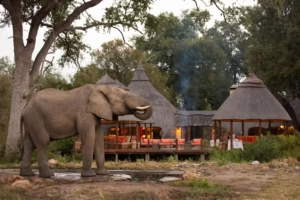
Mid-range travel should provide comfortable rooms, private facilities and dependable service.
It does not require the most expensive lodge at every destination.
Location is often more important than luxury.
A moderately priced lodge near the trekking area can provide better value than an elaborate property requiring a lengthy morning transfer.
Travelers should ask about meal plans, electricity and hot water.
Photographers may also need reliable charging facilities.
Small groups can sometimes obtain better value by using carefully selected properties that specialize in safari travelers.
Preparing Physically for Gorilla Trekking
Travelers should begin preparing several weeks before departure.
Regular walking improves stamina.
Hill walking is particularly useful because gorilla habitats can involve steep terrain.
Good hiking boots should be worn before the safari.
Do not arrive with completely new footwear.
Travelers with medical concerns should seek appropriate professional advice before participating.
The objective is not athletic performance.
Reasonable preparation simply makes it easier to enjoy the forest and maintain a comfortable pace during the trek.
What to Pack
Long trousers and long-sleeved shirts work well for forest activities.
A waterproof jacket is essential because mountain weather changes quickly.
Carry suitable hiking boots and several pairs of comfortable socks.
A small daypack can hold drinking water, camera equipment and personal medication.
Gardening-style gloves can protect hands when holding vegetation for balance.
Travelers should also carry sun protection for open areas.
Packing layers works better than bringing bulky clothing for every possible condition.
Hiring a Porter
Where officially available, porter services can make trekking more comfortable.
A porter can carry water, camera equipment and other items.
They may also assist on difficult sections.
Even physically fit travelers can benefit.
The service can also create direct economic value for surrounding communities.
Travelers should arrange porters through legitimate channels.
A modest additional cost can make a long trek considerably easier while supporting local livelihoods.
Gorilla Permits and Conservation
Gorilla trekking requires official permits.
Travelers should confirm current prices and procedures rather than relying on historical online information.
Permit availability can influence the entire itinerary.
Therefore, confirmation should occur before non-refundable arrangements are finalized where possible.
Permit fees contribute to regulated tourism and conservation systems.
Visitors must also follow health rules designed to protect great apes.
Anyone who becomes ill should communicate this honestly.
Protecting gorillas must take priority over completing an individual holiday plan.
Photography During the Trek
Forest photography can be demanding.
Light levels may remain low, while vegetation can partially obscure subjects.
A camera capable of handling higher ISO settings can help.
Avoid carrying excessive equipment.
A versatile lens may be more practical than several heavy lenses.
Flash should not be used.
Photographers should never leave the authorized position for a clearer angle.
Leaves and branches are part of the gorillas' habitat.
Including them can create more authentic photographs.
Rwanda as an Alternative Route
Rwanda provides an excellent fourteen-day alternative when Virunga travel is unsuitable.
Travelers can trek mountain gorillas in Volcanoes National Park.
Lake Kivu adds relaxation, while Nyungwe provides chimpanzee and forest experiences.
Akagera National Park completes the journey with savannah wildlife.
This combination provides substantial diversity within one country.
Rwanda's geography can also reduce some transfer times.
A 14-day Rwanda gorilla safari can therefore preserve the core objectives of the original itinerary while simplifying logistics.
Uganda as an Alternative Route
Uganda offers another strong option.
Mountain gorilla trekking takes place in Bwindi and Mgahinga.
Kibale National Park provides established chimpanzee trekking.
Queen Elizabeth National Park adds savannah wildlife, while Lake Mburo can complement the route.
A 14-day Uganda gorilla safari gives travelers enough time to explore these destinations without excessive rushing.
Private or small-group road transportation works well, while selected domestic flights can reduce longer transfers where appropriate.
Responsible Small-Group Travel
Travelers should remain on authorized trails and follow every guide instruction.
Never feed wildlife.
Do not leave rubbish in protected areas.
The group should also minimize unnecessary noise during wildlife encounters.
Responsible tourism extends to communities.
Travelers should ask permission before photographing individuals and respect local customs.
A small group has the advantage of creating less pressure than a large tour when managed properly.
Using legitimate guides, accommodation and tourism services also helps visitor spending support local employment.
Safety and Current Virunga Conditions
Current information is essential when planning travel to Virunga National Park.
Eastern DR Congo has experienced periods of significant insecurity.
Travelers should consult official government travel advisories and current information from relevant authorities.
Check conditions before booking and again shortly before departure.
Travel insurance should cover the intended destinations and activities.
Travelers should understand cancellation and amendment policies.
If access becomes unsuitable, the safari should be redirected toward Rwanda or Uganda rather than forcing the original route.
Plan Your 14-Day Virunga Gorilla Safari
A 14-day mid-range mountain gorilla trekking safari in Virunga National Park for small groups provides enough time to make the gorilla encounter part of a complete African journey.
Travelers can combine forests, Lake Kivu, birdwatching, landscapes and additional wildlife while maintaining a comfortable pace.
Gecko Safaris Africa can structure the route around current conditions, group interests and realistic travel times.
When Virunga access is unavailable, established gorilla destinations in Rwanda and Uganda provide excellent alternatives.
Fourteen days allows travelers to do more than see mountain gorillas. It gives them time to understand the forests, communities and conservation landscapes that make the survival of these remarkable great apes possible.
Accommodation Options in Kigali


Ready to Experience This Mid-range Safari?
Let our expert team customise this 14-day itinerary to match your interests and travel dates.