
14 Day Mid-range Safari
14-Day Mid-range Hot-air balloon safari in Samburu National Reserve for Small groups
Plan a 14-day Samburu small-group safari with wildlife, northern Kenya scenery, cultural experiences and a carefully confirmed balloon flight.
- Mid-range Experience Mid-range Lodges & Hotels
- Wildlife Safari An unforgettable encounter
- Kigali Experience Culture, dining & relaxation
- Tailor-Made Customised for you
Overview
The Perfect Mid-range Rwanda Safari
A 14-day mid-range hot-air balloon safari in Samburu National Reserve for small groups offers an opportunity to explore northern Kenya at a comfortable pace. Samburu is known for its semi-arid landscapes, the Ewaso Ng'iro River, elephants, predators and wildlife adapted to the drier environment. Its scenery differs considerably from the grasslands that many travellers associate with a first Kenya safari.
The hot-air balloon element requires careful planning. Balloon operations in Samburu are less routinely available than established balloon safaris in destinations such as the Masai Mara. Travellers should therefore confirm that a licensed operator is conducting flights on their intended dates before making the balloon experience central to the itinerary.
Two weeks provides enough time to enjoy Samburu without rushing. The journey can also include nearby northern Kenya environments or another carefully chosen safari region. Small-group travel helps share transport and guiding costs while retaining enough flexibility for photography, wildlife viewing and relaxed afternoons.
Detailed Itinerary
-
DAY
1-3
Arrive and Begin the Northern Kenya Journey
The first day should remain relatively light after arrival in Kenya. An overnight stop before continuing north allows the group to recover and prepare for the safari without immediately facing a long transfer.
Depending on the chosen route, travellers can continue toward Samburu by road or use an appropriate domestic flight. Flying reduces travel time, while a road journey reveals changing landscapes as central Kenya gives way to increasingly dry northern country.
After reaching the reserve, the first game drive can provide a gentle introduction. The Ewaso Ng'iro River becomes an important feature because wildlife frequently depends on the water and surrounding vegetation.
The next two days can concentrate on different habitats without attempting to cover the entire ecosystem immediately. Elephants, giraffes and antelopes may provide early highlights, while birds add colour throughout quieter periods.
-
DAY
4-6
Wildlife Along the Ewaso Ng'iro River
Several days should be dedicated to the river and surrounding wildlife areas. This is where Samburu's landscape becomes especially distinctive, with doum palms and riverine vegetation contrasting against drier plains.
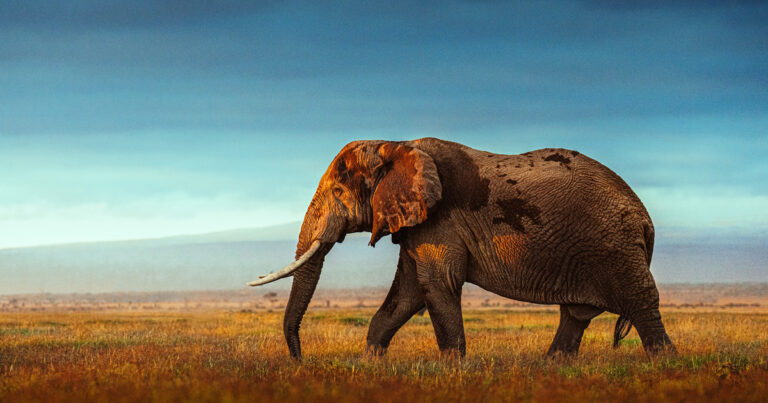
Elephants are among the reserve's most memorable residents. Family groups may spend time feeding, travelling or approaching water, creating excellent opportunities for patient observation.
Predators including lions and leopards also occur within the ecosystem. Sightings depend on daily movements, so no itinerary should guarantee a particular species.
A mid-range small-group safari works well when the vehicle is not overcrowded. Every guest needs a comfortable viewing position, particularly during longer drives.
The group can alternate early drives with relaxed afternoons, preventing the two-week journey from becoming repetitive.
Samburu's Special Five
Wildlife enthusiasts often visit Samburu hoping to see species associated with northern Kenya. The well-known Samburu Special Five are Grevy's zebra, reticulated giraffe, Beisa oryx, gerenuk and Somali ostrich.
These animals provide a distinctive identity to a Samburu safari. Reticulated giraffes have striking geometric patterns, while Grevy's zebras can be distinguished from plains zebras by their narrower stripes and other physical characteristics.
Gerenuks are particularly interesting to watch because they can stretch upward while feeding. Beisa oryx are well adapted to dry environments, while Somali ostriches add another characteristic northern species.
The Special Five should still be treated as wildlife rather than a checklist. Spending time observing behaviour creates a richer experience than racing between sightings merely to record all five.

-
DAY
7-8
Planning the Balloon Experience
The middle of the itinerary provides a suitable window for the balloon component if a verified operation is available. Scheduling it before the final day creates flexibility if weather prevents the original flight.
Balloon flights depend on wind and other safety conditions. The pilot has final authority over whether a flight can proceed. Travellers should never view a weather cancellation as poor service when safety is involved.
When a Samburu balloon flight is unavailable, the itinerary can retain its quality through game drives, scenic viewpoints and other professionally arranged activities. Another established balloon destination can also be incorporated if this experience is essential to the group.
The itinerary should remain truthful about availability. A safari becomes stronger when expectations are managed accurately before arrival.
Experiencing Samburu from Above
If a licensed flight operates successfully, ballooning provides a completely different perspective on northern Kenya. From above, travellers can appreciate the relationship between the river, dry plains and surrounding hills.
Wildlife may be visible, but a balloon cannot be directed toward individual animals in the same way as a safari vehicle. It travels according to wind conditions within the pilot's operational control.
Photographers should concentrate on wider landscapes rather than expecting close wildlife portraits. River patterns, vegetation and morning shadows can create particularly attractive compositions.
All camera equipment must remain secure. Passengers should follow the pilot's instructions during preparation, flight and landing.
The experience should be valued for perspective and atmosphere rather than the number of animals photographed from the air.

-
DAY
9-11
Photography, Conservation and Culture
After the balloon window, the safari can return to slower ground exploration. By this stage, guests understand the landscape better and often become more patient at sightings.
Photography improves when travellers begin anticipating behaviour. Instead of taking photographs immediately, they can consider backgrounds, light and interactions between animals.
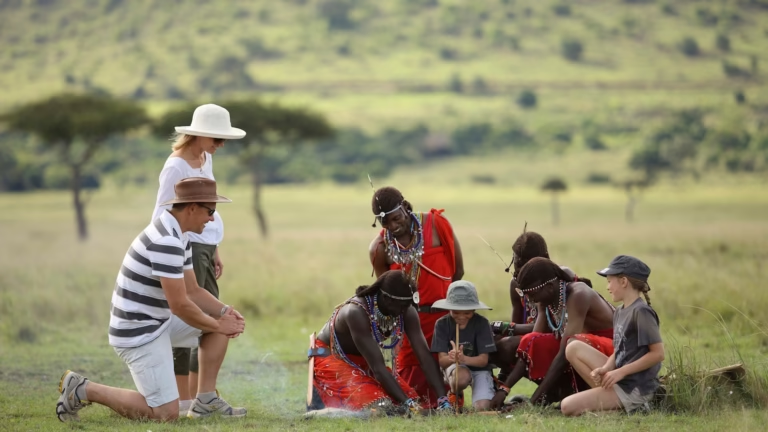
A responsibly arranged cultural experience may also add depth to the itinerary. Samburu communities have a strong cultural identity, and professionally guided visits can help travellers understand aspects of local life without reducing people to tourist displays.
Photography of residents should always involve permission. Respectful interaction matters more than collecting portraits.
A quiet afternoon between activities can keep the group refreshed for the remaining safari days.

-
DAY
12-14
Final Wildlife Experiences
The final section can concentrate on favourite wildlife areas or include another nearby environment when the routing remains practical. There is no need to add a distant destination merely because three days remain.
A final early game drive can revisit river habitats where elephants or predators have recently been active. Birdwatchers may prefer slower drives with more frequent stops.
The thirteenth day can remain flexible around the group's interests. Small-group travel is particularly valuable at this stage because everyone has learned what they enjoy most.
Day fourteen focuses on the departure transfer or flight. Travellers using domestic aviation should confirm baggage limits and connection times in advance.
Ending without a rushed schedule allows the group to appreciate its final hours in northern Kenya.
Mid-Range Accommodation and Small-Group Comfort
Mid-range travel should provide dependable accommodation, good meals and convenient wildlife access without the cost of premium luxury properties.
Location matters greatly in Samburu. A lodge or camp near productive game-viewing areas reduces unnecessary daily driving and allows guests to return for midday breaks.
Small groups should confirm room arrangements early. Properties with limited capacity can fill quickly during popular travel periods.
Vehicle quality is equally important. Guests need enough room for cameras, binoculars and personal items without restricting everyone's view.
Saving money through overcrowded transport can significantly reduce the quality of a fourteen-day safari.
Photography in Samburu
Samburu's light and landscapes create excellent photographic possibilities. The combination of dry earth, doum palms and river vegetation provides distinctive backgrounds.
A telephoto zoom works well for elephants, predators and the Special Five. A wider lens helps capture landscapes and large environmental scenes.
Early morning generally provides softer light. Late afternoon can also produce attractive colours as sunlight reaches the dry terrain from a lower angle.
Photographers should avoid asking guides to move excessively around animals simply to change backgrounds. Patient observation often allows the subject to create the composition naturally.
Dust protection for cameras can be useful during particularly dry conditions.
Responsible Wildlife Viewing
Samburu's wildlife depends heavily on access to water, especially during dry periods. Vehicles should never block animals approaching or leaving the river.
Elephants deserve particular space because family groups may include young calves. A guide should interpret behaviour and maintain an appropriate distance.
Predators should also be allowed to rest or hunt without being surrounded unnecessarily.
Visitors should not feed animals or encourage guides to call wildlife closer. These practices can alter natural behaviour.
Responsible small-group safaris can provide excellent viewing while reducing pressure around sensitive sightings.
Plan Your 14-Day Samburu Balloon Safari
A 14-day mid-range hot-air balloon safari in Samburu National Reserve provides enough time to explore northern Kenya beyond a quick game-drive visit. Elephants, predators, the Special Five and the Ewaso Ng'iro River create a distinctive safari environment.
The balloon component should always be confirmed with a properly licensed operator because regular operations cannot simply be assumed in Samburu. Weather will also determine whether any scheduled flight proceeds.
Small-group travel helps share costs while maintaining flexibility. Well-positioned mid-range accommodation and an uncrowded safari vehicle can provide excellent value without requiring luxury pricing.
With realistic balloon planning and plenty of time on the ground, fourteen days can reveal the wildlife, landscapes and cultural character that make Samburu one of Kenya's most distinctive safari regions.
Accommodation Options in Kigali


Ready to Experience This Mid-range Safari?
Let our expert team customise this 14-day itinerary to match your interests and travel dates.
