
12 Day Luxury Safari
12-Day Luxury Boat safari in Ruhengeri for Photographers
Photograph Lake Ruhondo, Rwanda's volcanic north and Akagera wetlands on a 12-day luxury boat safari designed for serious photographers.
- Luxury Experience Premium lodges & service
- Boat Safari An unforgettable encounter
- Kigali Experience Culture, dining & relaxation
- Tailor-Made Customised for you
Overview
Photography Rather Than Simple Sightseeing
A 12-Day Luxury Boat Safari in Ruhengeri for Photographers combines Rwanda's northern highlands with carefully selected water-based photography experiences and wider wildlife exploration. Ruhengeri, commonly associated with Musanze, is surrounded by volcanic landscapes and lies close to scenic lakes such as Ruhondo. It is not a conventional savannah boat-safari destination, so a well-designed itinerary should use northern Rwanda for lake photography while connecting with other parts of the country when travellers want a more traditional wildlife boat experience.
This distinction creates a stronger photographic journey. Lake Ruhondo offers highland scenery, cultivated hills, birds, boats, people, reflections, and possible views toward the Virunga volcanoes. Travellers wanting wildlife associated with larger wetland systems can combine the north with Akagera National Park in eastern Rwanda.
Twelve days provide enough time to work with changing light instead of rushing through each destination.
Photography changes the way an itinerary should be structured.
A conventional traveller may visit a viewpoint once and continue. A photographer may want to return in different light or wait for cloud to move across a mountain.
A Rwanda photography safari should therefore contain flexible sessions rather than rigid sightseeing deadlines.
Luxury private travel is especially useful because photographers can adapt departure times and remain longer when conditions become interesting.

Detailed Itinerary
-
DAY
1
Arrival in Kigali
Travellers arrive at Kigali International Airport and transfer privately to accommodation.
The first evening provides time to organize equipment and discuss photographic priorities with the guide.
Camera bodies, lenses, storage, charging systems, and weather protection should be checked.
Photographers should also clarify baggage restrictions if any flights or smaller aircraft form part of the itinerary.

-
DAY
2
Kigali Photography
Kigali offers a useful introduction to Rwanda through urban photography.
Architecture, markets, food, art, coffee, city landscapes, and carefully approached street photography can provide varied subjects.
A specialist guide can help identify appropriate locations and explain when photography may be sensitive.
Visitors should ask permission before close portraits and avoid treating everyday city life as a spectacle.
-
DAY
3
Journey to Ruhengeri
The private journey north provides increasingly dramatic highland scenery.
Photographers can stop at suitable locations when the landscape and light justify it.
The Virunga volcanoes may become visible as travellers approach Musanze, although cloud can obscure them.
The itinerary should not promise clear mountain views because weather is part of landscape photography.

-
DAY
4
Lake Ruhondo Boat Photography
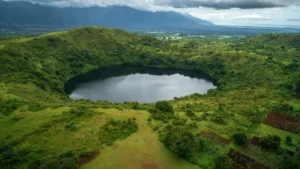
The first major water-based session can take place around Lake Ruhondo using a reputable and appropriately equipped boat operator.
The lake provides opportunities to photograph steep hills, shoreline activity, birds, reflections, and broad landscapes.
Morning conditions can be especially attractive when the water is calmer and light is softer.
Weather and safety must determine whether the boat activity proceeds.
Protecting Camera Equipment on the Water
Water and electronics require careful planning.
Cameras should be carried in suitable protective bags during boarding and whenever spray becomes possible.
A lens cloth and basic weather protection can be useful.
Photographers should avoid changing lenses unnecessarily while on the boat.
Equipment should also be secured so that sudden movement does not send a camera or lens into the water.
Luxury service cannot replace basic equipment discipline.
-
DAY
5
Sunrise and Highland Photography
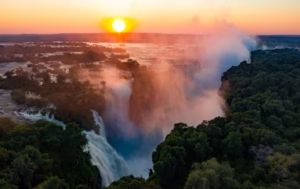
An early photography session can focus on Lake Ruhondo and the surrounding hills.
The appearance of the landscape can change quickly as mist rises and cloud moves around the mountains.
After breakfast, photographers may explore cultivated areas and suitable viewpoints.
The afternoon can remain free for editing, backing up images, and resting.
This slower rhythm prevents creative fatigue.
-
DAY
6
Birds and Cultural Landscapes
Northern Rwanda provides many photographic subjects beyond the lake itself.
Birds, agricultural fields, rural roads, markets, and volcanic landscapes can all contribute to the visual story.
Photographers should avoid entering private fields without permission.
When people are included in images, consent and cultural sensitivity are essential.
A successful travel portfolio should represent the destination respectfully rather than treating residents as props.

-
DAY
7
Optional Primate Photography
Eligible travellers may add gorilla trekking in Volcanoes National Park or a golden monkey experience.
Both require official arrangements and separate permits.
Gorilla photography takes place under strict rules, and flash is not permitted.
The forest environment can be dark and challenging, so photographers should understand their camera settings before entering the park.
Wildlife should never be disturbed to improve an image.
-
DAY
8
Transition toward Akagera
Photographers wanting a more traditional wildlife and wetland safari can travel toward eastern Rwanda and Akagera National Park.
The route requires careful planning because Ruhengeri and Akagera are in different parts of the country.
A private vehicle allows equipment to remain accessible while providing suitable breaks.
The journey can be divided sensibly rather than forcing an exhausting cross-country day.
-
DAY
9
Akagera Wildlife Photography
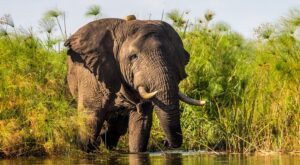
Akagera provides savannah, woodland, lakes, wetlands, and wildlife that differ completely from northern Rwanda.
A game drive can produce opportunities to photograph elephants, giraffes, buffaloes, zebras, antelopes, birds, and predators.
Specific sightings are never guaranteed.
Photographers should focus on behaviour, light, habitat, and composition rather than measuring success solely by the number of famous animals photographed.
-
DAY
10
Boat Safari and Wetland Photography
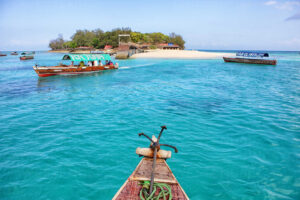
Where current park arrangements permit, a boat safari in Akagera National Park can provide a more traditional wildlife-on-water experience.
Hippos, crocodiles, waterbirds, mammals near the shoreline, and broad wetland landscapes may provide photographic opportunities.
Actual sightings depend on natural animal movement.
The boat experience also allows photographers to work closer to water level, creating a different perspective from a vehicle.
Photographing from a Boat
A boat is constantly moving, even when the water appears calm.
Faster shutter speeds can help reduce motion blur.
Photographers should keep equipment manageable and avoid spreading lenses across seats.
A flexible zoom can be particularly useful because subjects may appear at very different distances.
Guide and boat-operator instructions should always take priority over photography.
-
DAY
11
Return to Kigali
The final road journey returns to Kigali.
Photographers may stop at appropriate locations if an unexpected landscape or weather condition creates a worthwhile opportunity.
The evening should include a complete backup of images.
Ideally, photographs should exist in more than one location before international travel.
Equipment can then be cleaned and packed securely.

-
DAY
12
Departure
Travellers with later flights may enjoy a final Kigali photography session.
Those departing earlier can transfer directly to the airport.
Camera equipment should be packed according to airline requirements.
Photographers should pay particular attention to batteries and carry-on regulations.
The final day should remain simple so expensive equipment and luggage can be handled carefully.

Choosing Lenses for Rwanda
A photography safari can involve landscapes, wildlife, birds, people, and forest primates.
No single lens is ideal for every subject.
A wide or standard zoom is useful for landscapes and urban work, while a telephoto lens supports wildlife and bird photography.
Travellers should resist bringing every lens they own.
Heavy equipment can become burdensome during trekking and boat activities.
Why Private Guiding Helps Photographers
Private guiding provides the ability to wait.
If light is improving, the photographer does not have to leave simply because a large group is following a fixed schedule.
The guide can also position the vehicle or select a viewpoint according to conditions, while remaining within all park rules.
This flexibility is one of the strongest reasons photographers may choose a luxury private Rwanda safari.
Accommodation for Photographers
Location matters more than excessive facilities.
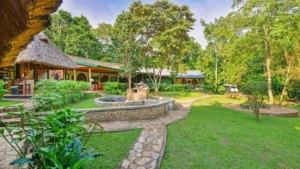
A lodge that allows an early start near Lake Ruhondo or a park entrance may provide better photographic value than a more elaborate property requiring a long transfer.
Reliable electricity and secure storage are also important for camera users.
Photographers need time to charge batteries and back up images at the end of each day.
Weather and Light
Rwanda's changing weather can create both difficulties and opportunities.
Cloud may hide volcanic peaks but produce dramatic atmosphere.
Rain can create reflections and saturated vegetation.
Bright midday light may be less appealing for broad landscapes but useful for other subjects.
Photographers should work with conditions rather than expecting twelve consecutive days of ideal golden light.
Ethical Wildlife Photography
Wildlife should never be chased or pressured for a photograph.
Guides should not be encouraged to leave authorized routes.
Animals should not be fed.
Around primates, all official distance and photography restrictions must be followed.
An ethical photograph documents natural behaviour without creating the behaviour through disturbance.
Responsible Cultural Photography
People deserve the same respect photographers expect for themselves.
Close portraits should generally involve permission.
Children require particular sensitivity.
A traveller should never assume that purchasing an activity automatically gives unlimited rights to photograph everyone present.
Building a short conversation before taking a portrait often produces a more meaningful image anyway.
Why Twelve Days Improve Photography
Photography requires patience.
Twelve days allow travellers to revisit locations and experience different weather.
There is also enough time to combine Lake Ruhondo with a genuine wildlife boat-safari environment elsewhere in Rwanda.
Rest periods prevent photographers from becoming physically and creatively exhausted.
The result is usually a stronger collection of images than a rushed journey covering more destinations in fewer days.
Plan Your Rwanda Boat Photography Safari
A 12-Day Luxury Boat Safari in Ruhengeri for Photographers can combine two distinct forms of water-based photography.
Northern Rwanda and Lake Ruhondo provide volcanic highland landscapes, reflections, birds, communities, and scenic boat experiences. Akagera can add traditional wildlife and wetland photography where suitable boat arrangements are available.
Private guiding gives photographers the flexibility to work with changing light rather than a fixed sightseeing timetable.
With secure equipment management, responsible wildlife behaviour, thoughtful routing, and enough time to return to productive locations, twelve days can produce a diverse photographic journey across Rwanda's lakes, mountains, cities, and wildlife environments.
Accommodation Options in Kigali

Ready to Experience This Luxury Safari?
Let our expert team customise this 12-day itinerary to match your interests and travel dates.