
12 Day Classic Safari
12-Day Fly-in Birdwatching in Virunga National Park for Small groups
Explore a 12-day fly-in Virunga birdwatching safari for small groups with forests, Albertine Rift birds, primates and regional extensions.
- Classic Experience Handpicked Lodges & Hotels
- Wildlife Safari An unforgettable encounter
- Kigali Experience Culture, dining & relaxation
- Tailor-Made Customised for you
Overview
Why Choose a Small-Group Birding Safari?
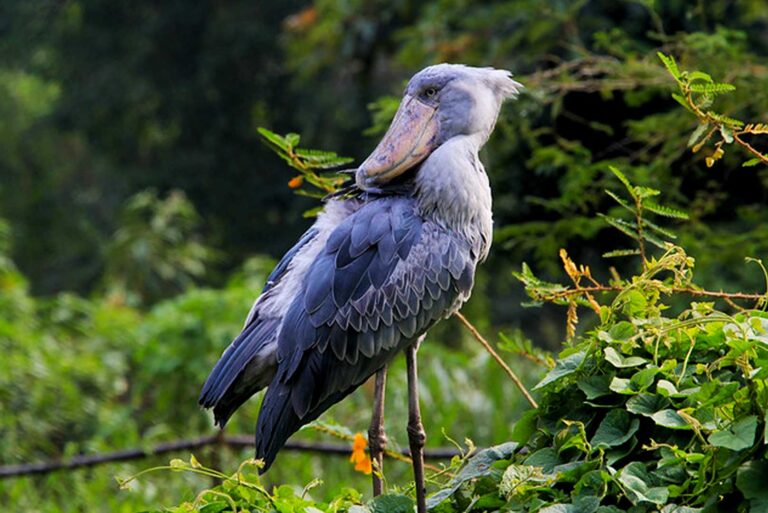
A 12-day fly-in birdwatching safari in Virunga National Park for small groups is designed for travelers who want more time in nature and less time on demanding road transfers. The wider Virunga and Albertine Rift region contains remarkable habitat diversity, making it particularly attractive to birdwatchers.
Twelve days allows a small group to explore birdlife patiently. Rather than treating every morning as a race to add species to a checklist, travelers can spend enough time understanding forest, mountain and wetland habitats.
A fly-in approach can reduce some lengthy overland sectors. However, flight availability and park access must always be verified for the actual travel period.
This is especially important in eastern Democratic Republic of Congo, where tourism and security conditions can change.
A flexible itinerary can also use Rwanda or Uganda when direct Virunga access is unsuitable. Both countries contain important Albertine Rift habitats and can preserve the specialist birding focus.
Birdwatching works particularly well in small groups.
Large groups can create noise and make it difficult for everyone to see a bird before it moves.
A smaller group can remain quiet and respond quickly when the guide identifies a call.
Travelers also receive more individual attention.
Beginners can ask questions without feeling they are delaying experienced birders.
Photographers have more space to position themselves responsibly.
The guide can also adjust the pace according to the group's interests.
This flexibility makes a small-group birdwatching safari particularly suitable for serious nature travelers.
Detailed Itinerary
-
DAY
1-2
Arrival and Birding Orientation
The first day should allow the group to arrive without pressure.
After settling into accommodation, travelers can meet their guide and discuss target species, photography interests and fitness levels.
This conversation helps shape the following days.
The second day can provide an introductory birding session in an appropriate accessible habitat.
Guides can assess the group's pace while travelers become familiar with local bird families and calls.
Starting gradually often improves the rest of the safari.
The group begins working together instead of immediately rushing toward difficult target species.

-
DAY
3-4
Forest Birding
Forest birding can be challenging and deeply rewarding.
Birds may remain hidden in dense vegetation.
Guides often detect them by sound before anyone sees them.
Travelers should remain patient.
A forest may initially seem quiet, but careful listening reveals layers of activity.
Small mixed-species groups can move through the canopy quickly.
When this happens, birders need to observe calmly and follow the guide's directions.
Two days in a forest habitat provide a much stronger opportunity than attempting to experience it during one rushed morning.
Birding by Sound
Experienced birders understand that listening is essential.
Many forest birds reveal themselves through distinctive calls.
A specialist guide can identify species that remain invisible to most visitors.
Beginners should not feel pressured to memorize every sound.
Over several days, certain calls naturally become familiar.
This learning process is one of the pleasures of a longer Albertine Rift birding safari.
Travelers begin hearing differences that seemed impossible to recognize during the first morning.
The forest gradually becomes more understandable.
-
DAY
5-6
Exploring Different Elevations
Changes in altitude can produce significant changes in birdlife.
A species common at one elevation may disappear as the group moves higher.
Vegetation also changes.
This makes elevation an important part of birding strategy.
Guides can explain these ecological transitions while the group searches for new species.
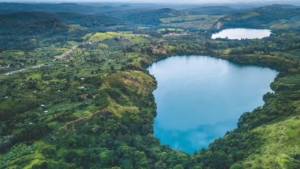
The landscape itself becomes part of the experience.
Photographers should remember to capture broad habitat images.
A collection of bird portraits tells only part of the story.
Landscape photographs show where those species live and help communicate the importance of protecting entire ecosystems.
Bird Photography in Small Groups
Small groups work well for bird photography.
Photographers can move carefully without competing with a large crowd.
However, ethical behavior remains essential.
Never surround a bird or block its natural movement.
Avoid disturbing nests.
Repeated playback of calls should not become a method for forcing wildlife into photographic positions.
The best bird photography safari works with natural behavior.
Photographers should also remain considerate of non-photographers.
A traveler using binoculars deserves a clear view just as much as someone carrying expensive camera equipment.
-
DAY
7-8
Primates and Wider Biodiversity
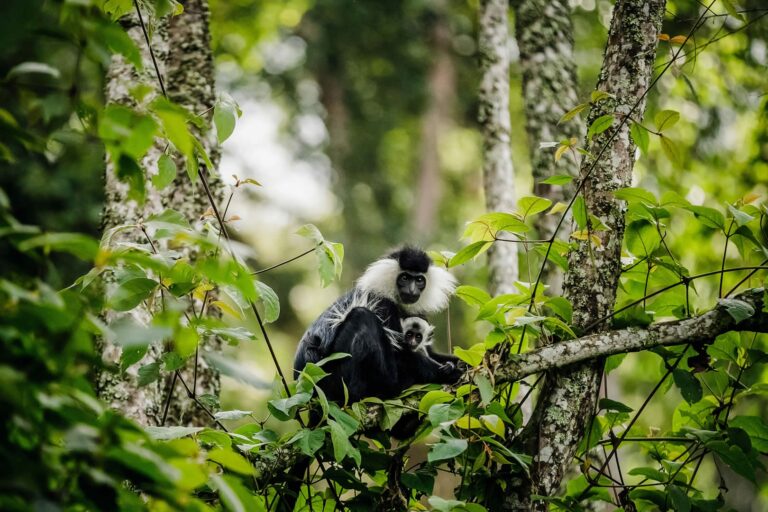
The Virunga region is known for much more than birds.
A longer itinerary can include opportunities to understand primates and other wildlife where current operations allow.
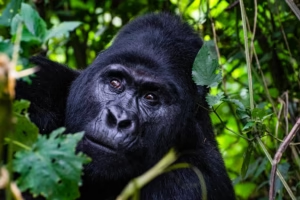
Mountain gorillas are the region's most famous inhabitants, although gorilla trekking requires separate permits and regulated arrangements.
Even travelers who do not undertake a gorilla trek can learn about the relationship between forest conservation and great ape survival.
Butterflies, plants and smaller animals also deserve attention.
Specialist birders often discover that a slower safari creates greater appreciation for the entire ecosystem.
Combining Birding With Gorilla Trekking
Travelers interested in both birds and primates can consider adding mountain gorilla trekking.
The activity requires official permits and follows strict conservation rules.
A gorilla day should not be treated as another birding excursion.
The physical demands and wildlife focus are different.
However, birders will naturally notice forest species during the walk.
The gorilla encounter can also provide context for why protecting large forest landscapes benefits many other species.
When Virunga trekking is unavailable, Rwanda or Uganda can provide established alternatives.
-
DAY
9-10
Wetlands and Open Habitats
A strong birding itinerary should include habitat contrast where practical.
Wetlands and more open environments can provide species that would never appear during forest sessions.
Birders may observe water-associated species, raptors and birds using open vegetation.
These environments can also make photography easier because visibility improves.
The group should still move patiently.
Interesting behavior often develops when travelers remain in one location rather than driving continuously.
Two days in contrasting habitat can significantly expand the safari experience.

-
DAY
11-12
Final Birding and Departure
The final part of the safari can revisit productive areas or focus on species missed earlier.
This flexibility is one reason twelve days works so well.
Travelers should not schedule the last serious birding session too close to an international flight.
Allow enough time for transfers and possible aviation changes.
The final evening can be used to review the trip.
Groups often enjoy comparing photographs and discussing favorite sightings.
The safari becomes more memorable when travelers remember behavior and landscapes rather than only the final species count.
Why the Virunga Region Is Important
The wider Virunga landscape forms part of the Albertine Rift, a region known for exceptional biological diversity.
Large changes in elevation create different habitats over relatively short geographical distances.
Forests, mountains, wetlands and open environments can support very different bird communities.
This variety gives birders the opportunity to search for species associated with particular ecological zones.
However, the strongest birding experience goes beyond ticking names from a list.
Understanding why a bird occurs in one habitat but not another gives travelers a deeper appreciation of conservation.
The Advantage of Twelve Days
Birdwatching rewards time.
A short safari may lose valuable hours to rain, travel or unexpected changes in bird activity.
A twelve-day program creates flexibility.
If one morning produces poor visibility, another day can provide better conditions.
Travelers can also revisit productive habitats.
This is particularly useful for photographers who may see a species without obtaining the image they hoped for.
Longer itineraries reduce pressure.
The group can spend twenty minutes watching interesting behavior rather than leaving immediately because another destination must be reached.
How Fly-In Travel Changes the Experience
A fly-in birdwatching safari can reduce tiring road journeys.
This allows travelers to spend more time in the field.
Flying can also provide a useful perspective on the region's geography.
However, aviation introduces its own considerations.
Small aircraft may have strict baggage limits.
Bird photographers carrying heavy telephoto lenses should therefore confirm allowances before packing.
Soft-sided luggage is often easier to handle.
Flight schedules can also change because of weather or operational requirements.
Travelers should keep the itinerary flexible.
Selecting a Specialist Guide
Guide quality can determine the success of a birding safari.
A general safari guide may know common birds, but specialist birders often require deeper identification skills.
The guide should understand calls, habitat preferences and seasonal movements.
They should also know how to work with photographers.
Small groups benefit from direct communication before the trip.
Travelers can share target species and explain whether they prefer intensive birding or a more relaxed pace.
This information allows the operator to match the group with an appropriate guide.
Accommodation for Birdwatchers
Birders often start before breakfast and return after long field sessions.
Accommodation should therefore support early departures.
Travelers should ask whether breakfast can be served early or packed.
Electricity is particularly important for photographers charging batteries.
Laundry services can also help during a twelve-day journey.
Location matters more than unnecessary luxury.
A lodge close to productive habitat allows the group to begin birding quickly.
A cheaper property requiring a long transfer every morning may ultimately provide poor value.
Packing for Birdwatching
Binoculars are essential.
Travelers should choose equipment they can comfortably carry throughout the day.
A field guide or suitable identification resource can help with learning.
Clothing should remain lightweight and practical.
Long trousers and long-sleeved shirts provide protection in forest environments.
A waterproof jacket is necessary because tropical weather can change quickly.
Comfortable hiking footwear matters.
Bird photographers should also bring lens protection, spare batteries and enough memory cards.
Managing Camera Equipment on Flights
Fly-in travel requires disciplined packing.
Large telephoto lenses can consume much of a small aircraft's baggage allowance.
Photographers should confirm restrictions before arriving at the airport.
Do not assume international airline baggage allowances apply to regional flights.
A carefully selected camera body and one or two useful lenses may provide better practicality than carrying a complete professional collection.
Important equipment should remain protected from impact and moisture.
Travelers should also keep memory cards and essential electronics in hand luggage where permitted.
Small Groups and Responsible Travel
Small groups can reduce disturbance when managed correctly.
Travelers should remain quiet around sensitive wildlife.
Stay on authorized paths and follow guides.
Do not leave rubbish in natural areas.
Birders should avoid damaging vegetation to obtain clearer views.
Photography should never justify disturbing wildlife.
The group should also respect local communities.
Ask permission before photographing people and avoid treating residents as background scenery.
Responsible travel protects the relationships that allow tourism and conservation to coexist.
Rwanda as a Birding Extension
Rwanda provides excellent birding opportunities and can complement or substitute for a Virunga itinerary.
Nyungwe National Park protects extensive montane forest.
Volcanoes National Park adds highland environments.
Akagera National Park provides wetlands, woodland and savannah habitats.
This variety can produce a remarkably diverse Rwanda birdwatching safari.
Travelers can also spend time around Lake Kivu.
Rwanda's compact geography helps reduce some road travel, although transfer times should still be planned realistically.
Uganda as a Birding Extension
Uganda is another outstanding regional birding destination.
Bwindi provides rich forest habitat, while Queen Elizabeth offers savannah and wetland environments.
Murchison Falls National Park adds another broad range of habitats.
Kibale National Park combines forest birding with primate tourism.
A Uganda birdwatching safari can therefore complement Albertine Rift specialist interests while providing wider East African diversity.
Travelers with enough time can combine Rwanda and Uganda, although a twelve-day itinerary should remain focused enough to avoid excessive transfers.
Safety and Current Conditions
Any itinerary involving Virunga National Park must reflect current travel conditions.
Eastern DR Congo has experienced significant instability.
Travelers should consult official government travel advisories and current information from relevant authorities.
A historical birding itinerary cannot confirm present access.
Check conditions before booking and again before departure.
Travel insurance should cover the intended destinations and activities.
If Virunga becomes inaccessible, the operator should be able to redesign the route around suitable habitats in Rwanda or Uganda.
Is a Fly-In Birding Safari Worth It?
Flying can be worthwhile when it removes very long road transfers.
Birders usually prefer spending daylight hours in productive habitats rather than sitting in vehicles between distant destinations.
However, aviation increases cost.
Groups should compare the time saved against the additional expense.
In some areas, road travel remains worthwhile because birding can take place along the route.
The best itinerary therefore combines flights and road transfers strategically rather than assuming every possible sector should be flown.
Plan Your 12-Day Virunga Birdwatching Safari
A 12-day fly-in birdwatching safari in Virunga National Park for small groups can provide enough time to understand one of Africa's most fascinating biodiversity regions.
The journey should explore different habitats, elevations and bird communities without reducing the experience to a race for species numbers.
Gecko Safaris Africa can design specialist birding routes according to current access, group interests and photography requirements.
When Virunga travel is unsuitable, Rwanda and Uganda offer excellent Albertine Rift alternatives.
For serious birdwatchers, twelve days provides something particularly valuable: time. Time to listen, wait, revisit productive habitats and understand why the birds occur where they do. That depth transforms a bird list into a genuine natural-history journey.
Accommodation Options in Kigali


Ready to Experience This Classic Safari?
Let our expert team customise this 12-day itinerary to match your interests and travel dates.
