
10 Day Classic Safari
10-Day Photographic Shoebill tour in Rwenzori Mountains for Families
Explore a 10-day photographic shoebill safari for families combining suitable Uganda wetlands, Rwenzori scenery, wildlife and responsible bird photography.
- Classic Experience Handpicked Lodges & Hotels
- Wildlife Safari An unforgettable encounter
- Kigali Experience Culture, dining & relaxation
- Tailor-Made Customised for you
Overview
Understanding the Shoebill
A 10-Day Photographic Shoebill tour in Rwenzori Mountains for Families combines bird photography, mountain landscapes and broader western Uganda wildlife experiences. The Rwenzori Mountains themselves are not the principal habitat for shoebills. These extraordinary birds are specialists of freshwater wetland environments, so a genuine shoebill-focused itinerary needs to include suitable wetlands while using the Rwenzori region for scenery, forest and mountain photography.
For families, ten days provide enough time to enjoy both without creating exhausting daily transfers.
The itinerary can begin with a dedicated shoebill search in appropriate habitat and then progress toward western Uganda. Families can photograph birds, savannah wildlife and the Rwenzori landscape while maintaining a comfortable pace.
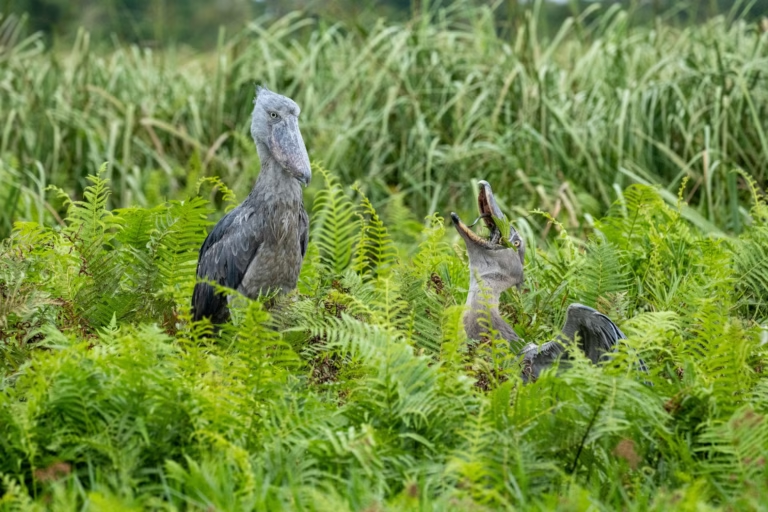
The shoebill is one of Africa's most distinctive birds.
Its enormous bill, tall body and patient hunting behavior give it an almost prehistoric appearance.
Shoebills are associated with freshwater wetlands containing suitable vegetation and feeding areas.
They should not be presented as typical high-mountain birds.
Accurate habitat planning is therefore essential.
A responsible itinerary takes travelers to the bird rather than using a famous destination name that does not match its ecology.
Why Families Enjoy Shoebill Tours
Birding can be particularly rewarding for families because it encourages careful observation.
Children can use binoculars and learn to identify shapes, colors and behavior.
The shoebill provides a memorable target, but the tour should include many other birds.
A wetland contains an entire ecosystem.
Herons, egrets, kingfishers and other species may be encountered depending on location.

Detailed Itinerary
-
DAY
1
Arrival in Uganda
The family can arrive through Entebbe International Airport and transfer to nearby accommodation.
Staying around Entebbe can be particularly practical when the first major activity is a wetland birding excursion.
Children should have time to rest after the flight.
Parents can prepare binoculars, cameras and waterproof equipment for the following morning.
-
DAY
2
Dedicated Shoebill Search
The first major activity can focus on shoebill photography in suitable wetland habitat.
Mabamba is one well-known wetland associated with shoebill searching near the Lake Victoria region.
The exact activity should be arranged with experienced local guides.
Families should begin early according to local advice.
Sightings remain natural and should never be guaranteed.
The search itself provides opportunities to photograph many other wetland birds.
Photographing Shoebills Responsibly
Photographers should maintain a respectful distance.
A telephoto lens allows close-looking images without approaching excessively.
The bird should never be chased or deliberately forced to fly.
Families should keep voices controlled.
Children can learn why a relaxed bird is a better conservation outcome than a disturbed bird positioned for a dramatic photograph.
Responsible shoebill tourism protects both birds and wetlands.
-
DAY
3
Travel Toward Western Uganda
After the wetland experience, the family can begin traveling west.
The day should include sensible stops.
Photography opportunities can arise along the route, but travelers should only stop where it is safe and appropriate.
The family can overnight at a strategically located destination that supports the following day's activities.
Efficient routing prevents unnecessary backtracking.

-
DAY
4
Wildlife and Bird Photography
A western Uganda national park can add savannah wildlife.
Game drives provide opportunities to photograph mammals and birds.
Children may enjoy searching for elephants and antelopes while bird-focused family members continue identifying species.
A good guide can balance different interests.
No wildlife sighting should be promised.
The unpredictability is part of authentic safari photography.

-
DAY
5
Boat Safari
A boat safari adds another excellent birding environment.
If Queen Elizabeth National Park forms part of the route, the Kazinga Channel can provide numerous water-associated birds.
Hippos and other wildlife add variety.
A telephoto zoom is useful from the boat.
Camera equipment should be protected against spray.
Parents should supervise children and follow crew safety instructions.
-
DAY
6
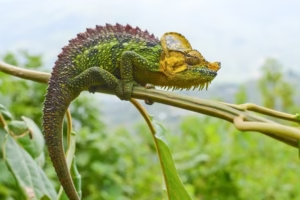
Rwenzori Mountains
The journey can continue toward the Rwenzori Mountains.
The photographic focus changes dramatically.
Wetlands and savannah give way to mountain slopes, valleys and cloud formations.
Families can enjoy accessible viewpoints rather than demanding high-altitude trekking.
A wide-angle lens is particularly useful.
The afternoon can remain flexible according to weather and visibility.
-
DAY
7
Rwenzori Photography Day
A full day around the Rwenzori region provides time to work with changing conditions.
Mist can create atmospheric forest images.
Clouds can reveal and hide ridges quickly.
Families should not wait only for perfectly clear skies.
Children can photograph plants, streams and smaller details while adults work on broader landscapes.
This makes the activity engaging for different skill levels.
-
DAY
8
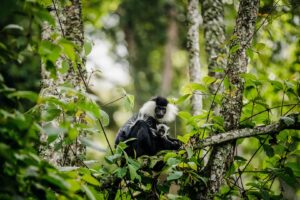
Forest and Birding Experience
The Rwenzori foothills can provide additional birding opportunities.
A knowledgeable guide can help identify calls and habitats.
Families should use binoculars as well as cameras.
Not every bird needs to become a photograph.
Learning to watch wildlife without immediately reaching for a camera can deepen the experience.
The day can include a shorter walk and more lodge relaxation.
-
DAY
9
Flexible Photography and Wildlife Day
The ninth day can respond to the family's strongest interests.
If mountain weather was poor earlier, another photography session can be attempted.
If wildlife was particularly productive, the family can revisit a suitable area.
A cultural experience can also be incorporated where responsibly arranged.
Flexibility is valuable because both birds and weather are unpredictable.
-
DAY
10
Return Toward Entebbe
The final day begins the journey toward departure arrangements.
Families should not schedule a long road transfer too tightly against an international flight.
Depending on the route and available aviation options, a domestic flight may reduce travel time.
A final overnight near Entebbe can provide additional security for early international departures.

Family Photography Equipment
A family does not need multiple professional camera systems.
One primary camera with a telephoto zoom can cover most wildlife subjects.
A wider lens is useful for Rwenzori landscapes.
Children may use compact cameras or phones where appropriate.
Binoculars are essential because they allow everyone to participate even when a camera is being used by another family member.
Protecting Equipment
The journey includes wetland, mountain and savannah environments.
Waterproof camera protection is important.
Dry bags can protect equipment during wetland excursions.
Lens cloths help manage moisture.
Savannah dust can also affect equipment.
Families should avoid changing lenses unnecessarily in difficult conditions.
Spare batteries and memory cards should remain protected.
Photographing Other Wetland Birds
The shoebill should not become the only photographic objective.
Wetlands support diverse species.
Smaller birds can provide opportunities to practice tracking and composition.
Families can photograph reflections, vegetation and wider environmental scenes.
A complete photographic story should show the habitat as well as its most famous bird.
Rwenzori Weather
Mountain weather can change rapidly.
Rain jackets and layered clothing should remain accessible.
The family should use waterproof footwear appropriate to the planned walks.
Sun protection is still necessary because clear periods can produce strong sunlight.
Flexible clothing allows everyone to adapt without carrying excessive luggage.
Accommodation for Families
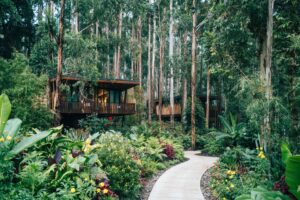
Family-friendly properties should provide appropriate room arrangements and meals.
A lodge with attractive grounds can offer additional bird photography opportunities.
Location should reduce unnecessary transfers.
Parents should ask about charging facilities for camera equipment.
Remote properties may use different power arrangements, so carrying charged spare batteries is sensible.
Responsible Cultural Photography
If the family visits communities during the journey, permission should be requested before taking close photographs.
Children should not automatically be treated as photographic subjects.
A conversation can be more valuable than a picture.
Responsible travel teaches younger family members that people deserve the same respect and personal space they expect themselves.
Keeping Children Interested
Birding can involve periods of waiting.
Parents can make the experience interactive with a simple species journal.
Children can record colors, behavior and habitat rather than only names.
They can also help spot birds from the vehicle.
Regular meal and rest breaks are important.
A family photography safari should remain enjoyable rather than becoming a competition to record the largest number of species.
Conservation Value
Shoebill tourism depends on healthy wetlands.
Visitors should avoid littering and support reputable local guiding services.
Wetlands provide ecological value beyond tourism, including habitat for numerous species.
The Rwenzori landscape also depends on responsible conservation.
Connecting these environments within one journey helps families understand that different ecosystems require different forms of protection.
Planning Your Ten-Day Shoebill Safari
A 10-Day Photographic Shoebill tour in Rwenzori Mountains for Families should connect genuine shoebill wetland habitat with the spectacular Rwenzori region rather than suggesting that shoebills are primarily mountain birds.
Begin with a specialist wetland search, then progress into western Uganda for wildlife, boat activities and mountain photography.
Carry binoculars, versatile camera equipment and waterproof protection.
Keep the schedule flexible enough for children and changing weather.
With knowledgeable local guides and responsible viewing practices, ten days can produce an outstanding family photography journey built around wetlands, birds, wildlife and Uganda's dramatic western mountains.
Accommodation Options in Kigali


Ready to Experience This Classic Safari?
Let our expert team customise this 10-day itinerary to match your interests and travel dates.
