10 Day Mid-range Safari
10-Day Mid-Range Gorilla Trekking in Kigali for Photographers
Photograph Rwanda on a 10-day gorilla trekking safari from Kigali with Volcanoes National Park, camera advice, Lake Ruhondo and mid-range stays.
- Mid-range Experience Mid-range Lodges & Hotels
- Gorilla Trekking An unforgettable encounter
- Kigali Experience Culture, dining & relaxation
- Tailor-Made Customised for you
Overview
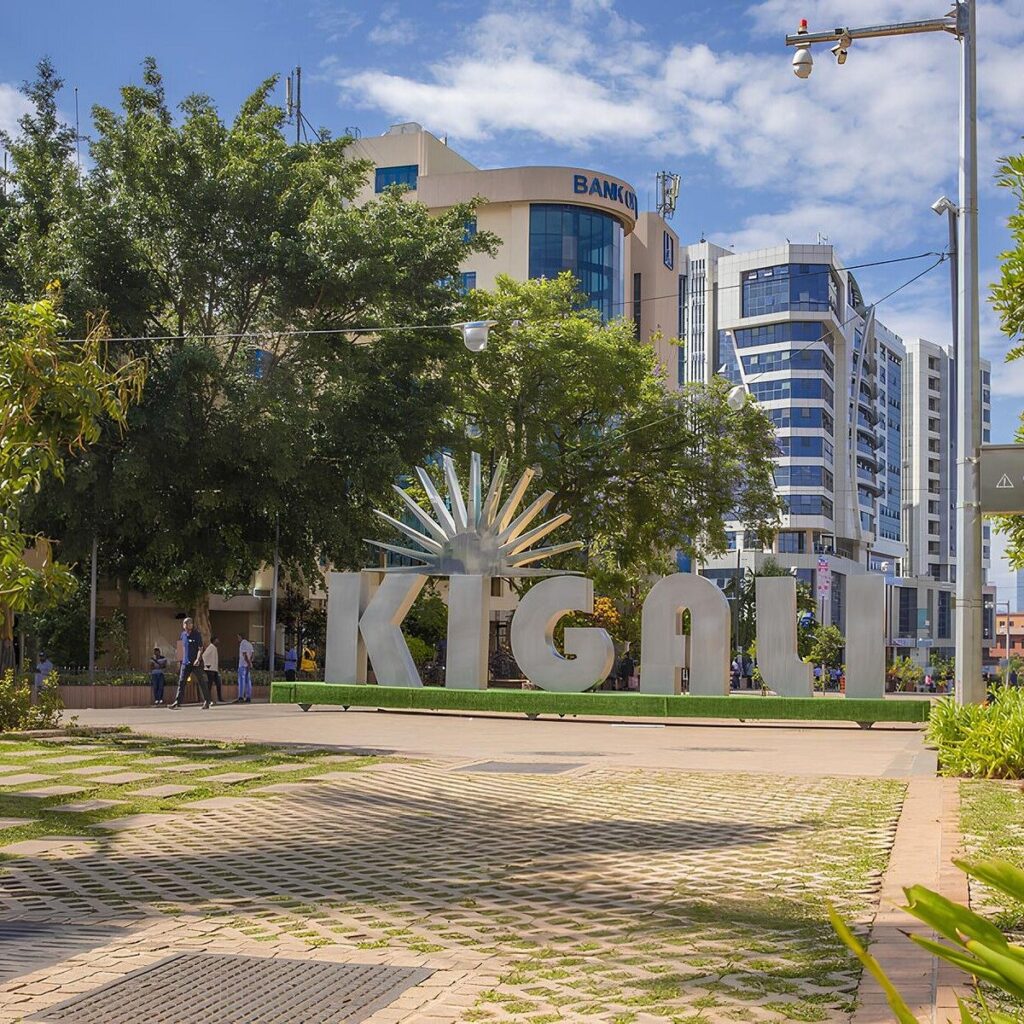
Kigali as the Beginning of the Photography Journey
A 10-Day Mid-Range Gorilla Trekking in Kigali for Photographers is designed for travellers who want more than a brief encounter with Rwanda's mountain gorillas. Kigali provides the arrival gateway and opportunities for urban photography, while Volcanoes National Park in northern Rwanda forms the centre of the gorilla experience.
Photography-focused travel benefits from time. Light changes, weather shifts, wildlife moves unpredictably, and some of the strongest images appear when a photographer is not rushing between destinations. A ten-day itinerary provides enough space to photograph Kigali, Rwanda's countryside, volcanic scenery, local culture, and wildlife while maintaining a manageable pace.
Mid-range travel also creates a useful balance. Photographers can invest in permits, private guiding, transportation, and reliable logistical support without needing premium luxury accommodation throughout the safari.
Kigali offers a very different visual environment from Volcanoes National Park.
The city combines modern architecture, neighbourhood life, markets, hills, gardens, art, and busy commercial areas.
A Rwanda photography safari should make use of this contrast rather than rushing directly north.
Photographers can begin by understanding the people and contemporary environment of Rwanda before focusing on its famous wildlife.

Detailed Itinerary
-
DAY
1
Arrival and Equipment Preparation
After arrival at Kigali International Airport, the photographer is transferred to a comfortable hotel.
The first evening can be used to organize equipment.
Camera bodies should be checked, batteries charged, memory cards prepared, and backup systems confirmed.
Travelling photographers should never wait until the trekking morning to discover an equipment problem.
-
DAY
2
Photographing Kigali
The second day provides an opportunity to photograph Kigali responsibly.
Street scenes, architecture, markets, public spaces, food, and urban landscapes can provide strong visual material.
Close photographs of individuals should be taken with permission.
A local guide is valuable because the guide can explain cultural expectations and help photographers communicate with potential subjects.
Ethical Photography in Rwanda
Photographers should avoid treating people as visual objects.
Interaction should come before photography where appropriate.
Children require particular sensitivity, and permission should be sought from responsible adults when necessary.
Images intended for commercial use may require additional consent.
A respectful approach generally creates more meaningful photographs than distant, secretive photography.

-
DAY
3
Kigali to Volcanoes National Park
The journey north passes through Rwanda's famous hilly countryside.
Private transport allows the photographer to stop at appropriate viewpoints.
Agricultural landscapes, roadside scenes, changing weather, and distant volcanoes provide a transition between Kigali and the national park region.
The day should conclude near Musanze or Volcanoes National Park, leaving enough time to prepare for trekking.
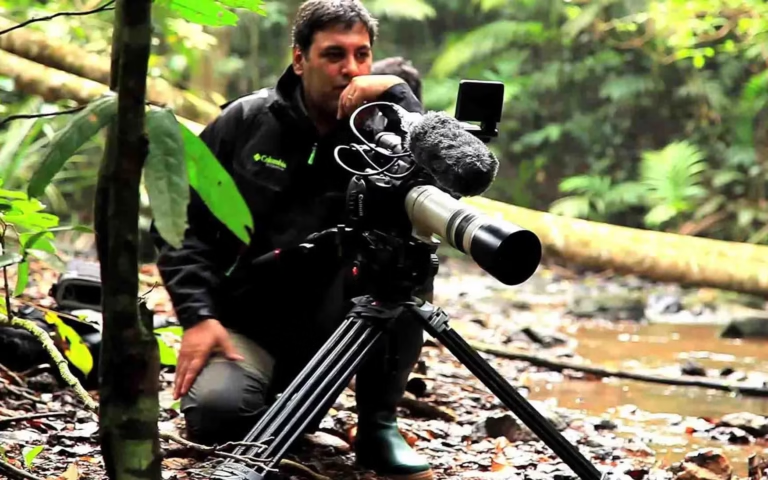
Preparing Camera Equipment for Gorilla Trekking
Forest photography presents special challenges.
Light levels can be low, backgrounds are often complex, and the gorillas may move between bright openings and deep shade.
A camera capable of handling higher ISO settings can be useful.
Photographers should understand their autofocus system before the trek.
The limited encounter time is not the moment to begin learning unfamiliar camera controls.
Choosing Lenses
A moderate telephoto zoom is often practical for gorilla photography in Rwanda because it allows flexible framing.
A wider lens may also be useful for environmental images that show the gorilla within the forest.
Photographers should avoid carrying an excessive number of heavy lenses.
The trek itself can be physically demanding, and every additional kilogram becomes noticeable on steep terrain.
-
DAY
4
First Gorilla Trekking Experience
The trekking day begins with registration and an official briefing.
Visitors are assigned according to park procedures and then travel toward the relevant trailhead.
The trek can range considerably in duration because mountain gorillas move freely within their habitat.
Once the gorillas are located, visitors follow strict regulations governing the encounter.
Photographing Mountain Gorillas
The standard gorilla visit provides a limited observation period, so photographers need to work calmly.
The objective should not be continuous rapid shooting.
Taking time to observe behaviour can help anticipate expressions, interactions, and movement.
Portraits are attractive, but wider photographs showing vegetation can provide stronger environmental context.
Flash photography is not permitted.
Working with Forest Light
Forest light can change within seconds.
Photographers should monitor shutter speed because low light can easily produce motion blur.
Image stabilization can help with camera movement but does not freeze a moving gorilla.
Exposure compensation may be useful when dark fur is surrounded by bright foliage.
Photographers should periodically check images without spending the entire encounter looking at the camera screen.
Respecting Gorilla Trekking Rules
Photography never overrides conservation regulations.
Visitors must follow the required distance and all instructions from guides.
If a gorilla approaches unexpectedly, the guide will explain how visitors should respond.
Food should not be consumed near the animals.
Anyone experiencing illness should disclose it because mountain gorillas are vulnerable to human diseases.

-
DAY
5
Reviewing Images and Northern Landscapes
The day following the trek can be less demanding.
Photographers can back up files and review images before beginning another activity.
The surrounding Musanze region offers landscapes, agricultural scenes, and volcanic views.
A relaxed photography day also gives muscles time to recover after trekking.
Backup Strategy for Photographers
Wildlife images may be impossible to recreate.
Photographers should therefore maintain multiple copies of important files.
A laptop and external drive can provide one solution, while keeping original memory cards untouched adds another layer of protection.
Backups should be performed regularly rather than waiting until the end of the safari.
Equipment should also be protected from moisture.
-
DAY
6
Golden Monkeys or Cultural Photography
A golden monkey experience can provide another opportunity for primate photography when arranged through official procedures.
Golden monkeys move quickly and can be challenging photographic subjects.
Travellers who prefer cultural photography can instead focus on an organized community experience.
Either option adds visual variety to the safari.

-
DAY
7
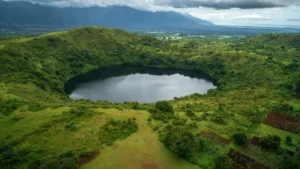
Lake Ruhondo Photography
Lake Ruhondo provides an excellent landscape setting near the volcanic region.
Early morning conditions may produce mist, reflections, and changing cloud patterns.
Agricultural hills surrounding the lake add visual texture.
A Lake Ruhondo photography experience also provides a quieter contrast with the intensity of gorilla trekking.
-
DAY
8
Flexible Photography Experience
A flexible day is valuable for photographers.
Weather may have hidden the volcanoes earlier, or the traveller may want to revisit a particularly productive location.
Another cultural session, landscape excursion, or suitable nature activity can be arranged.
The strongest photography itineraries respond to conditions rather than following an inflexible checklist.
-
DAY
9
Return toward Kigali
The journey south provides another opportunity for roadside landscape photography where safe stops can be arranged.
Photographers may notice scenes they overlooked during the northbound journey.
Arriving in Kigali before evening gives enough time to organize files and prepare equipment for the flight.
A final dinner can conclude the active part of the safari.

-
DAY
10
Departure
The final day is organized around the international flight.
Cameras, memory cards, hard drives, and essential electronics should generally remain in hand luggage within airline regulations.
Photographers should confirm baggage restrictions before travelling.
Those with late flights may have time for a final Kigali photography session.

Mid-Range Accommodation for Photographers
Photographers do not necessarily need the most expensive lodge.
Reliable electricity, secure rooms, suitable working space, and convenient location may matter more.
Charging several batteries and electronic devices requires dependable power.
A comfortable room also provides space to clean equipment and perform backups.
Location close to the park can reduce the need for extremely early transfers.
Physical Preparation
Gorilla trekking can involve steep and muddy terrain.
Photographers carrying equipment should prepare with regular walking before travelling.
Hiring a porter can make the trek considerably easier.
Porters can carry equipment and provide practical assistance on difficult sections where appropriate.
The service also supports local employment.
What to Pack
A rain cover for the camera bag is essential.
Sturdy hiking boots, long trousers, gloves, long sleeves, and a lightweight rain jacket should also be carried.
Spare batteries and memory cards are important.
Lens-cleaning cloths and suitable moisture protection can help keep equipment functioning in humid forest conditions.
Photographing beyond the Gorillas
A successful Rwanda gorilla photography safari should tell a wider story.
The road to the forest, volcanic landscapes, guides, conservation environments, communities, agriculture, and Kigali all contribute to understanding Rwanda.
Focusing exclusively on close gorilla portraits can result in a visually narrow collection.
Environmental photographs provide context and strengthen the overall narrative.
Responsible Wildlife Photography
Photographers should never ask guides to break regulations for a better image.
Wildlife should not be disturbed or manipulated.
The welfare of the animal must take priority over composition, lighting, or social-media expectations.
Responsible photographers accept that some opportunities cannot be pursued safely or ethically.
Best Time for Gorilla Photography
Gorilla trekking takes place throughout the year, but weather influences trail conditions and photographic light.
Drier periods may provide easier walking, while greener conditions can produce rich forest backgrounds.
Rain remains possible in mountain environments at any time.
Photographers should therefore prepare for variable conditions regardless of travel month.
Plan Your Rwanda Gorilla Photography Safari
A 10-Day Mid-Range Gorilla Trekking in Kigali for Photographers provides enough time to document Rwanda beyond a single primate encounter.
Kigali introduces urban culture, the journey north reveals agricultural landscapes, and Volcanoes National Park provides the central mountain gorilla experience. Lake Ruhondo, golden monkeys, community activities, and volcanic scenery add further photographic variety.
With suitable camera equipment, secure permits, responsible guiding, regular backups, and enough flexibility to respond to weather and light, photographers can return home with a collection that tells a much broader story of Rwanda.
Accommodation Options in Kigali

Ready to Experience This Mid-range Safari?
Let our expert team customise this 10-day itinerary to match your interests and travel dates.