
10 Day Budget Safari
10-Day Budget Birdwatching in Lake Ruhondo for Couples
Enjoy a 10-day budget Lake Ruhondo birdwatching safari for couples with scenic habitats, local guides, affordable stays and practical Rwanda birding advice.
- Budget Experience Comfortable Lodges & Camps
- Wildlife Safari An unforgettable encounter
- Kigali Experience Culture, dining & relaxation
- Tailor-Made Customised for you
Overview
Why Lake Ruhondo Appeals to Birdwatching Couples
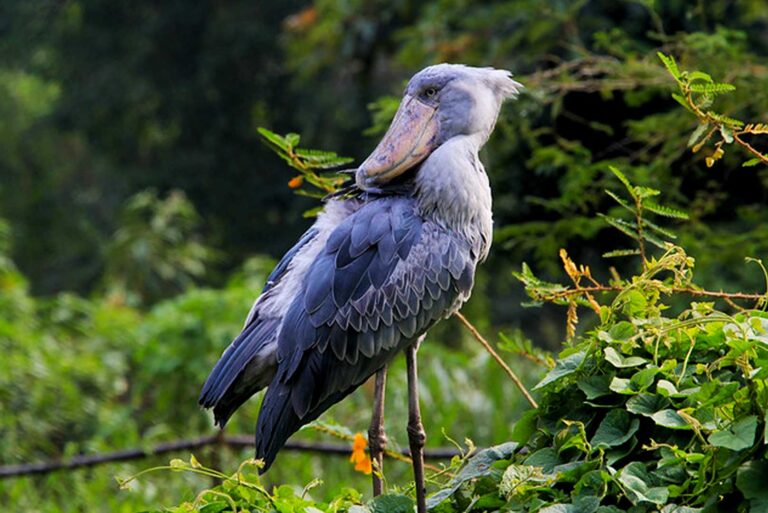
A 10-Day Budget Birdwatching in Lake Ruhondo for Couples offers a relaxed way to explore Rwanda's northern landscapes while keeping travel costs manageable. Lake Ruhondo sits within the scenic Twin Lakes region near Musanze, surrounded by cultivated hills, wetlands, farmland, and the distant volcanic peaks of the Virunga range. This combination of habitats creates opportunities to observe a variety of birds while also enjoying one of Rwanda's most attractive rural settings.
For couples, a ten-day journey provides enough time to explore without rushing. Instead of spending every morning transferring between distant destinations, travellers can remain around selected locations for longer periods and enjoy birding during the hours when activity is often strongest.
Budget travel does not mean removing the experiences that make the journey memorable. Careful accommodation choices, efficient routing, local guiding, and selective activities can keep costs controlled while preserving the quality of the safari.
Lake Ruhondo offers more than a beautiful body of water. Its surrounding environment includes cultivated slopes, patches of natural vegetation, gardens, wetlands, and shoreline habitats. These areas support different bird communities and allow travellers to observe species without always undertaking demanding forest walks.
For couples who enjoy photography and nature, mornings around the lake can be especially rewarding. Bird calls begin early, and the changing light over the hills creates an attractive setting for observation.
A Lake Ruhondo birdwatching safari can be organized at a gentle pace. One morning might focus on lakeshore birds, while another explores farmland and woodland edges.
The variety keeps the journey interesting without requiring couples to travel long distances every day.

Detailed Itinerary
-
DAY
1-2
Kigali and the Journey North
The safari can begin in Kigali, where the couple meets the guide and receives an introduction to the journey. Depending on the arrival time, the first day can remain relaxed, allowing travellers to recover from international travel before beginning the birding program.
Kigali itself supports a surprising range of birds in gardens, wetlands, and greener areas. A short introductory birding session can therefore provide an enjoyable beginning without demanding a long transfer immediately after arrival.
The following day, the journey north toward Lake Ruhondo reveals Rwanda's characteristic hilly countryside. Instead of treating the road purely as transportation, birdwatchers can make carefully selected stops where safe and appropriate.
Arriving around Lake Ruhondo with daylight remaining gives the couple time to settle into accommodation and begin observing species near the property.

-
DAY
3-4
Birding around Lake Ruhondo
The next two days can focus more closely on birdwatching at Lake Ruhondo. Early starts are useful because birds are often active before the heat and human activity increase later in the day.
A local guide familiar with the area can help identify species by both appearance and call. This is particularly valuable in habitats where birds remain partly concealed by vegetation.
Couples should carry binoculars and a field guide or birding application if they enjoy maintaining a personal checklist.
The experience should not become a race to accumulate species. Spending time watching feeding behaviour, territorial interactions, or birds moving between habitats can be more rewarding than constantly moving in search of another sighting.
Exploring Wetland and Shoreline Habitats
The edges of lakes and wetlands provide particularly interesting environments for birdwatchers. Water-associated species may be seen feeding, resting, or moving between sheltered sections of shoreline.
Conditions change according to water level, weather, and season, so the precise species encountered will vary.
Couples interested in photography should consider the direction of light when choosing observation points. Reflections from the water can create difficult conditions at certain times but beautiful images at others.
Responsible birding requires maintaining appropriate distance from nests and feeding birds. Guides should avoid disturbing wildlife simply to create a closer photograph.

-
DAY
5-6
Volcanoes Region Birding
The wider Musanze and Volcanoes region can add another dimension to the safari. The increasing altitude and changes in vegetation create opportunities to encounter birds associated with montane environments.
Some activities around Volcanoes National Park may require specific permits or arrangements. These should be confirmed in advance rather than assumed to be included in a standard budget itinerary.
Travellers who primarily want birding can focus on accessible habitats and community areas around the park region.
Couples interested in primates may choose to add golden monkey trekking or gorilla trekking separately, although these activities increase the overall cost considerably.
Keeping a Ten-Day Safari Affordable
Accommodation is one of the main areas where couples can control expenses. Comfortable guesthouses and budget lodges can provide clean rooms, meals, and convenient locations without the rates associated with luxury properties.
The itinerary should also minimize unnecessary vehicle movements. Remaining in one area for several nights reduces fuel costs and creates more time for actual birding.
Meals can be planned through accommodation providers or suitable local restaurants rather than relying exclusively on expensive tourist dining.
A well-designed budget Rwanda birding safari concentrates spending on good guiding and efficient transport because these directly affect the quality of the experience.
-
DAY
7-8
Community Landscapes and Agricultural Areas
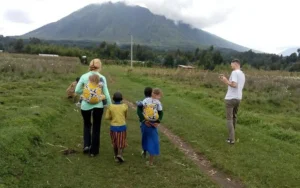
Birding does not always require entering a national park. Agricultural landscapes around northern Rwanda can support numerous species, particularly where fields, hedges, trees, gardens, and small wetlands occur close together.
Walking through appropriate community areas with a local guide provides opportunities to observe both birds and everyday rural life.
Couples should respect farms and private property. A guide can ensure that walking routes use appropriate paths and that photography is conducted respectfully.
These slower days also provide a welcome change from vehicle-based travel.
Bird Photography on a Budget
Successful bird photography does not require the most expensive equipment. A camera with a reasonable zoom lens can produce rewarding images when travellers understand light, positioning, and bird behaviour.
Couples sharing equipment should decide beforehand who will carry which items so the day remains comfortable.
Patience is particularly important. Remaining quietly near a productive habitat often creates better photographic opportunities than constantly chasing birds.
Photographers should never encourage guides to disturb nests or force birds into exposed positions.

-
DAY
9
Flexible Birding and Relaxation
One advantage of a ten-day itinerary is the ability to include a flexible day. Weather may affect an earlier activity, or the couple may discover a particular habitat they want to revisit.
The ninth day can therefore remain partly open for additional birding, photography, cultural interaction, or lakeside relaxation.
This flexibility makes the journey feel like a holiday rather than a field expedition.
Couples who have been waking before sunrise for several days may also appreciate a slower morning followed by afternoon observation.
-
DAY
10
Return toward Kigali
The final day can include a relaxed journey back toward Kigali. Depending on flight schedules, short birding stops may be possible along the way.
Travellers should avoid planning a long wildlife activity immediately before an international departure. Rwanda's roads are generally well developed, but delays can still occur.
If the flight departs early, an additional night in Kigali may be the safer arrangement.
The journey south also provides time for couples to review photographs and compare their favourite sightings from the safari.

What to Pack for Birdwatching
Binoculars are essential for travellers who want to observe birds properly. A lightweight field guide, notebook, camera, spare batteries, and memory cards can also be useful.
Comfortable walking shoes are recommended because birding often involves slow movement over uneven ground.
A light rain jacket should remain accessible. Northern Rwanda's weather can change quickly, particularly around higher-altitude areas.
Neutral, comfortable clothing is preferable to extremely bright garments when observing shy birds.
Best Time for Lake Ruhondo Birdwatching
Birdwatching is possible throughout the year, but seasonal conditions influence species activity, vegetation, and the presence of migratory birds.
Wet periods can produce lush landscapes and abundant insect activity, while drier conditions may make walking and road access more predictable.
Serious birdwatchers should discuss their target species with a knowledgeable operator before selecting travel dates.
Couples with broader interests can choose dates according to overall weather preferences and combine birding with other Rwanda activities.
Combining Birds with Rwanda's Other Wildlife
A ten-day itinerary provides enough time to add another major wildlife experience if the budget allows. Akagera National Park can introduce savannah species, while Volcanoes National Park offers primate encounters.
Gorilla trekking is a premium activity and requires a separate permit. Travellers should therefore decide whether it fits their budget before finalizing accommodation and transport.
Couples who prefer to keep the safari inexpensive can still enjoy a rewarding journey based primarily on birding, landscapes, and local experiences.
Rwanda's biodiversity extends far beyond its famous mountain gorillas.
Responsible Birdwatching
Birdwatchers should remain on appropriate trails, avoid excessive playback of recorded calls, and maintain respectful distances from nesting areas.
Noise should be minimized, particularly when approaching shy species.
Supporting local guides creates an economic reason for communities to value the natural habitats that attract visitors.
Responsible birding tourism in Rwanda therefore benefits both travellers and conservation when it is managed thoughtfully.
Plan Your Lake Ruhondo Birdwatching Safari
A 10-Day Budget Birdwatching in Lake Ruhondo for Couples gives travellers time to appreciate Rwanda's birds without turning the holiday into a rushed checklist. Lake Ruhondo provides a scenic base, while surrounding wetlands, agricultural areas, gardens, and montane landscapes add habitat variety.
By choosing affordable accommodation, efficient routing, knowledgeable guides, and a slower pace, couples can enjoy a substantial birding experience without requiring a luxury safari budget.
The result is a journey shaped by early-morning bird calls, volcanic scenery, quiet walks, shared discoveries, and the pleasure of exploring northern Rwanda together.
Accommodation Options in Kigali

Ready to Experience This Budget Safari?
Let our expert team customise this 10-day itinerary to match your interests and travel dates.
