1 Day Classic Safari
1-Day Photographic Kigali city tour in Lake Ruhondo for Small groups
Photograph Kigali and Lake Ruhondo on a small-group Rwanda tour featuring city scenes, birds, volcanic landscapes and practical photo tips.
- Classic Experience Handpicked Lodges & Hotels
- Wildlife Safari An unforgettable encounter
- Kigali Experience Culture, dining & relaxation
- Tailor-Made Customised for you
Overview
Understanding the Kigali and Lake Ruhondo Route
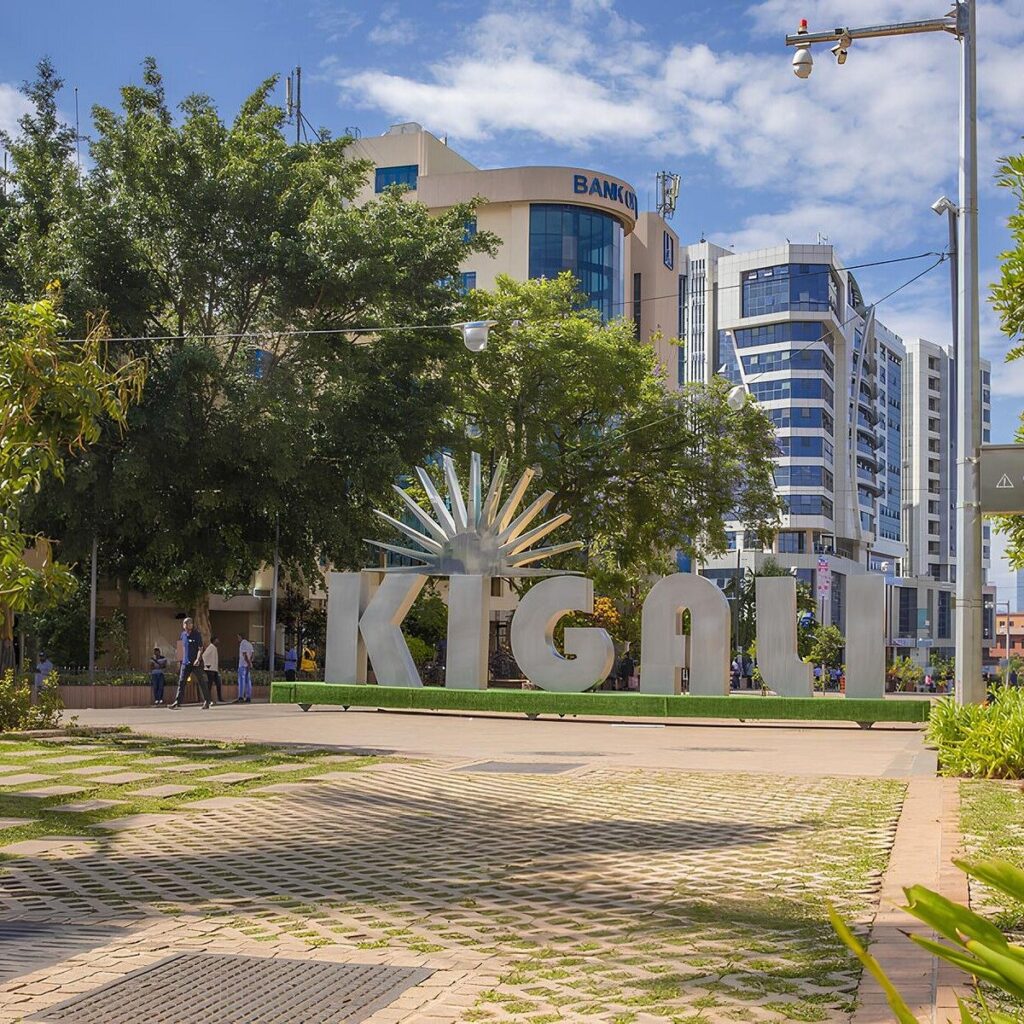
A 1-Day Photographic Kigali City Tour in Lake Ruhondo for Small Groups brings together two visually different parts of Rwanda: the urban landscapes of Kigali and the highland scenery surrounding Lake Ruhondo. Although the page title combines them, Kigali and Lake Ruhondo are not in the same location. Kigali is Rwanda's capital in the central part of the country, while Lake Ruhondo lies near Musanze in northern Rwanda, close to the Virunga volcanic region.
For photographers, the contrast between these destinations can be highly rewarding. Kigali provides architecture, neighbourhoods, markets, art, street scenes, historical places, and elevated city views. Lake Ruhondo changes the visual character completely with open water, green hills, agricultural landscapes, birds, changing weather, and views toward the volcanic north.
A Kigali and Lake Ruhondo photography tour is therefore best planned with realistic transfer time. Small groups can complete selected experiences in both regions, but travellers who want meaningful photography rather than brief stops will benefit from giving the journey more than a single rushed day.
Understanding the Kigali and Lake Ruhondo Route
Kigali and Lake Ruhondo are connected by road, with Musanze serving as the principal northern tourism centre near the lake.
The journey allows photographers to watch Rwanda's scenery change from an urban environment into increasingly rural and mountainous landscapes.
Travel time depends on traffic, road conditions, stops, and the exact starting and finishing points.
Photographers should resist the temptation to stop constantly along the road.
Stops should only be made where parking is safe and photography is appropriate.
A private vehicle gives small groups useful flexibility without creating pressure to follow a large coach schedule.
Starting With Kigali Photography
Kigali provides a strong starting point because its hills offer changing perspectives throughout the city.
A photography-focused tour can include carefully selected viewpoints, contemporary urban areas, cultural spaces, architecture, and neighbourhood scenes.
The objective should not be to visit every possible attraction.
Photographers often achieve stronger results by spending more time in a few locations.
A knowledgeable guide can help the group understand what they are photographing and identify places where stopping is both safe and respectful.
Photographing Kigali's Urban Landscape
The capital's hilly geography gives it a distinctive appearance.
Roads rise and fall between ridges, allowing buildings and neighbourhoods to appear in layers.
Vegetation adds greenery to many compositions.
Photographers can work with wide cityscapes before moving closer to architectural details or everyday street scenes.
Weather can change the appearance of the skyline.
Clear conditions may reveal distant ridges, while cloud and haze can create softer photographs.
Both conditions can be used creatively.
Morning Light in Kigali
An early start can provide attractive photographic conditions.
Morning light may be softer than midday light, while selected areas can be quieter.
Small groups also gain more flexibility when they begin before the day's schedule becomes crowded.
However, the tour should not inconvenience residents simply to obtain an image.
Photographers should avoid blocking entrances, roads, or pedestrian areas.
The strongest travel photography is created by observing a destination respectfully rather than attempting to control it.
Photographing Kigali's Architecture
Kigali contains a mixture of modern commercial buildings, hotels, public spaces, residential architecture, and older urban structures.
Photographers can use lines, reflections, shapes, and changing elevation to create compositions.
A standard zoom lens is often sufficient.
Travellers do not need to carry a large architectural photography kit unless that is the main purpose of the trip.
Some properties may restrict photography.
Visitors should respect private spaces and ask permission where necessary.
Markets and Everyday Life
Markets can provide colour, movement, textures, and scenes of everyday commerce.
They should be photographed carefully.
Vendors and shoppers are people conducting their daily lives rather than models provided for visitors.
Close portraits should be taken only with permission.
Photographers can also concentrate on products, patterns, wider scenes, and environmental details.
A local guide can help the group understand appropriate behaviour and reduce misunderstandings.
Historical Photography and Respect
A Kigali itinerary may include historically significant places such as the Kigali Genocide Memorial.
Such locations require a very different photographic approach from markets or scenic viewpoints.
Visitors should follow all photography restrictions and prioritize learning and remembrance.
The 1994 Genocide against the Tutsi is not an appropriate subject for casual or staged tourism photographs.
Small groups should allow enough time for reflection rather than treating the memorial as a quick stop between photographic locations.
Contemporary Art and Creative Spaces
Kigali's contemporary creative scene can add another dimension to the tour.
Selected galleries or artistic spaces can introduce photographers to modern Rwandan perspectives.
The group should confirm whether photography is permitted before photographing individual works.
Visitors interested in purchasing art can discuss legitimate sales and transportation arrangements.
A single meaningful creative stop may provide more value than trying to visit several galleries in a short period.
Photographing People Responsibly
Portrait photography can be one of the most sensitive parts of a city tour.
Photographers should ask before taking recognizable close portraits.
A long lens should not be used as a way to avoid consent when the subject clearly remains the focus of the photograph.
Children require particular care.
Small groups should follow the guide's advice and accept that some people will not want to be photographed.
Respecting that choice is part of responsible travel.
Leaving Kigali for Northern Rwanda
After the Kigali photography stage, the group can travel north toward Musanze and Lake Ruhondo.
The road journey introduces different landscapes.
Urban density gradually decreases, while cultivated hills and mountain scenery become increasingly prominent.
Photographers should keep cameras accessible but safely stored when not in use.
Images taken through vehicle windows can occasionally work, although planned safe stops generally produce better results.
The transfer itself helps tell the story of geographical change across Rwanda.
Arriving Around Lake Ruhondo
Lake Ruhondo provides an immediate visual contrast with Kigali.
Open water creates space within compositions, while surrounding hills provide depth.
Agricultural landscapes show how communities use the fertile highlands.
When weather conditions allow, volcanic scenery can strengthen the sense of place.
Photographers should spend time observing before deciding where to concentrate.
The first obvious viewpoint is not necessarily the most interesting.
Landscape Photography at Lake Ruhondo
Landscape photographers can experiment with foreground elements, reflections, hills, clouds, and changing light.
A wide-angle lens can be useful, but standard focal lengths may create stronger layered compositions when distant hills are important.
The lake's appearance changes with weather.
Bright sunlight can produce strong reflections, while cloud creates softer light.
Mist can partially conceal the surrounding landscape and add atmosphere.
Photographers should work with these conditions instead of expecting one specific postcard view.
Bird Photography Around the Lake
Lake environments can support interesting birdlife.
Photographers interested in birds should consider working with a knowledgeable local guide.
Bird photography requires patience because subjects do not remain in predetermined positions.
A telephoto lens is useful, but photographers should avoid approaching birds too closely.
Natural behaviour should always take priority over obtaining a frame-filling image.
Wider photographs showing birds within their habitat can also communicate the character of Lake Ruhondo effectively.
Photography From the Water
Where a properly arranged and safely operated boat experience is available, photographing Lake Ruhondo from the water can introduce different perspectives.
Passengers should follow all safety instructions and use required safety equipment.
Cameras should be secured against accidental drops or splashes.
A waterproof bag can be valuable even when conditions appear calm.
Photographers using longer lenses should remain aware that boat movement affects stability.
Safety should never be compromised for a photograph.
Small-Group Advantages
A small group is particularly suitable for photography travel.
Participants can move more efficiently than a large tour group and can spend longer at productive locations.
Transport costs can also be shared.
However, photographers should discuss priorities before the day begins.
One traveller may prefer street photography while another wants landscapes or birds.
A balanced itinerary should provide opportunities for different interests without allowing one person to dominate every stop.
Choosing Camera Equipment
Carrying too much equipment can make a one-day journey uncomfortable.
A camera body with a versatile standard zoom may cover most Kigali and landscape situations.
A longer lens can be added for birds and distant details.
Photographers primarily using smartphones can still create excellent travel images.
The most important factor is familiarity with the equipment.
Travellers who understand their cameras can react more quickly to changing light and spontaneous scenes.
Protecting Cameras From Weather
Northern Rwanda can experience changing weather.
A clear morning can become cloudy or wet.
Photographers should carry lightweight rain protection for themselves and their equipment.
Lens cloths are useful for moisture.
Spare batteries and memory cards should be protected inside the daypack.
The same preparation is useful in Kigali because rain can occur there as well.
Simple weather protection can prevent equipment problems from disrupting the entire photography day.
Managing Batteries and Storage
A full photography day can generate hundreds of images.
Photographers should begin with charged batteries and sufficient memory-card capacity.
Small groups carrying several devices may want to organize charging the previous evening rather than relying on the vehicle.
Backing up images becomes particularly important during longer Rwanda journeys.
Travellers should establish a simple file-management routine before the trip.
Losing photographs because of preventable storage problems can be far more frustrating than missing an individual shot.
Lunch and Rest During the Journey
A photography itinerary still needs adequate breaks.
Travellers can become so focused on light and locations that they postpone meals and hydration.
A relaxed lunch creates time to rest and review the morning.
It can also provide an opportunity for the guide and group to adjust the afternoon according to weather.
A small group has the flexibility to shorten or extend certain stops.
That flexibility should be used to improve the experience rather than fill every available minute.
Golden-Hour Photography
Late-afternoon light can provide attractive conditions around Lake Ruhondo when the weather cooperates.
Warmer light may illuminate hills and create reflections across the water.
Clouds can add drama.
Photographers should identify a suitable location before the best light begins.
Racing between several viewpoints as sunset approaches often results in missed opportunities.
Remaining in one well-chosen place and watching the light change can produce stronger photographs.
Staying Near Musanze
Travellers who want to photograph Lake Ruhondo properly should consider staying around Musanze or the lake rather than returning immediately to Kigali.
An overnight stay allows the group to continue photographing during the evening and potentially begin again the following morning.
It also places travellers conveniently for Volcanoes National Park.
This is especially useful when the wider journey includes mountain gorillas or golden monkeys.
Combining Lake Ruhondo With Gorilla Trekking
Lake Ruhondo works naturally as an extension to gorilla trekking in Volcanoes National Park.
The standard Rwanda gorilla permit costs USD 1,500 per person.
Trekkers must be at least 15 years old.
After a habituated gorilla family is located, the standard encounter lasts one hour.
Photography conditions inside the forest are dramatically different from the open environment around Lake Ruhondo.
Combining both gives photographers greater visual diversity.
Adding Golden Monkey Trekking
Golden monkey trekking in Volcanoes National Park can also complement the photography journey.
Golden monkeys are active primates that often move quickly through vegetation.
Photographers need to react rapidly and work with changing forest light.
The experience contrasts with patient landscape work around the lake.
Small groups staying several nights in northern Rwanda can therefore create a balanced photography program rather than concentrating on one subject.
Responsible Photography at Lake Ruhondo
The communities surrounding Lake Ruhondo should be treated with the same respect as people in Kigali.
Agricultural land and homes are not automatically public photography locations.
Travellers should request permission before entering private property or taking close portraits.
Boat users should avoid disturbing birds and other wildlife.
Rubbish should never be left beside the lake or thrown into the water.
Responsible photography protects the places and relationships on which tourism depends.
Can Kigali and Lake Ruhondo Fit Into One Day?
Selected photography in Kigali and Lake Ruhondo can technically be combined when the day begins early and the group accepts a significant road transfer.
However, photographers seeking a deeper experience should consider an overnight northern stay.
A rushed schedule leaves little time to wait for light, observe birds, explore compositions, or interact meaningfully with guides.
Photography rewards patience.
Adding one night can transform the journey from a quick sightseeing transfer into a genuine photographic experience.
Who Is This Photography Tour Best For?
A Photographic Kigali City Tour and Lake Ruhondo Journey for Small Groups suits photographers who want both urban and natural subjects.
It works for friends travelling together, photography clubs, couples sharing transport, or small private groups.
Beginners can benefit just as much as experienced photographers because the destinations provide accessible subjects.
Participants should be comfortable with a substantial road journey if attempting both regions within a short timeframe.
Creating a Longer Rwanda Photography Safari
Kigali and Lake Ruhondo can form the beginning of a much broader photography itinerary.
Volcanoes National Park adds gorillas, golden monkeys, bamboo forest, and volcanic landscapes.
Lake Kivu adds open water and western highland scenery.
Nyungwe introduces dense rainforest, chimpanzees, birds, and the canopy walkway.
Akagera National Park provides savannah wildlife and wetland environments.
Together, these regions can create a diverse photographic record of Rwanda.
Plan Your Kigali and Lake Ruhondo Photography Tour
A 1-Day Photographic Kigali City Tour in Lake Ruhondo for Small Groups should be planned as a journey connecting two distinct locations rather than treating Lake Ruhondo as part of Kigali.
The capital provides architecture, history, markets, contemporary culture, and urban landscapes. Lake Ruhondo introduces open water, birds, agricultural hills, and the dramatic scenery of northern Rwanda.
Small groups benefit from private transportation, flexible stops, shared costs, and enough time to pursue different photographic interests. For the strongest experience, travellers should consider staying near Musanze after the journey instead of rushing back to Kigali.
With thoughtful route planning, responsible photography, suitable weather protection, and enough time to observe changing light, this journey can reveal two very different but complementary visual sides of Rwanda.
Accommodation Options in Kigali


Ready to Experience This Classic Safari?
Let our expert team customise this 1-day itinerary to match your interests and travel dates.