
1 Day Family Safari
1-Day Photographic Family safari in Rwenzori Mountains for Photographers
Explore a 1-Day Photographic Family safari in Rwenzori Mountains for Photographers with practical route ideas, activities and expert planning advice.
- Family Experience Family-Friendly Lodges
- Wildlife Safari An unforgettable encounter
- Kigali Experience Culture, dining & relaxation
- Tailor-Made Customised for you
Overview
Understanding the Rwenzori Mountains
A 1-Day Photographic Family safari in Rwenzori Mountains for Photographers brings together family travel, nature photography and the extraordinary landscapes of western Uganda. The Rwenzori Mountains are primarily a hiking, forest and mountain destination rather than a conventional savannah game-drive park. A photographic family safari here should therefore focus on the mountains, foothills, vegetation, birds, local landscapes and suitable nearby wildlife environments.
For photographers traveling with children or other family members, the day should remain comfortable. The objective is not to carry heavy equipment over the most demanding mountain trails. Instead, a carefully designed experience can combine accessible viewpoints, nature observation, short walks and plenty of time for photography.
The result is a day that allows serious photographers to create meaningful images without making the experience exhausting for the rest of the family.
The Rwenzori Mountains rise dramatically along Uganda's western frontier. Their high peaks, deep valleys, rivers and distinctive vegetation make the region one of East Africa's most fascinating landscapes.
Clouds often gather around the mountains and can change the appearance of the scenery within minutes.
Photographers should embrace these conditions. Clear skies can reveal distant ridges, while mist can produce atmospheric compositions.
Families do not need to undertake a multi-day climb to appreciate the mountains. Lower-elevation experiences can provide an accessible introduction.
Starting the Photography Day
An early start is useful because morning light can be softer and temperatures comfortable.
Families should prepare equipment the previous evening. Camera batteries should be charged, memory cards checked and rain protection packed.
Children should eat a proper breakfast before departure.
The exact starting point depends on accommodation and the selected route.
A local guide familiar with both photography and family travel can help identify viewpoints that do not require excessive walking.
Photographing Mountain Landscapes
Landscape photography is one of the main reasons to explore the Rwenzori region.
A wide-angle lens can capture valleys, ridges and dramatic skies. A moderate telephoto lens can isolate distant slopes or compressed layers of mountains.
Photographers should pay attention to foreground elements.
Trees, rocks, pathways and cultivated landscapes can add depth.
The strongest image is not always the widest panorama. Smaller details can communicate the character of the mountains equally well.
Working with Mist and Clouds
Rwenzori weather can change rapidly.
Photographers should not become disappointed when clouds cover the peaks.
Mist moving between trees can create excellent photographs.
Layers of ridges disappearing into clouds can produce a sense of scale.
Families can use cloudy periods to photograph closer subjects before returning to broader landscapes when visibility improves.
Patience is particularly valuable in mountain photography.
Family Photography
A family safari should include photographs of people experiencing the landscape rather than only empty scenery.
Natural images of children using binoculars, walking with a guide or looking toward the mountains can tell the story of the journey.
Parents should avoid turning every stop into a formal photography session.
Children usually respond better when photographs are taken naturally.
The experience should remain enjoyable rather than becoming a continuous photo shoot.
Bird Photography
The Rwenzori region supports diverse birdlife.
A telephoto lens can help photographers capture birds without approaching too closely.
Bird photography requires patience and quick reactions.
Families can turn bird searching into an educational activity.
Children may enjoy using binoculars and trying to identify different shapes, colors or calls.
A knowledgeable guide adds significant value by explaining habitat and behavior.
Forest Photography
Lower mountain and forest environments provide opportunities to photograph trees, ferns, mosses and streams.
Light beneath the canopy can be limited.
Photographers may need higher ISO settings or image stabilization.
A tripod can help in some situations but may be inconvenient on narrow trails.
A lightweight setup is generally better for a family-focused day.
The ability to move comfortably is more useful than carrying every available lens.
Protecting Camera Equipment
Rain protection is essential around the Rwenzoris.
A waterproof camera cover and dry bag should remain easily accessible.
Photographers should carry microfiber cloths for moisture.
Spare batteries and memory cards should be protected inside waterproof storage.
Humidity can also affect equipment.
Careful handling is particularly important when moving between warm vehicles, cooler mountain conditions and damp forest environments.
Photographing Wildlife Responsibly
Wildlife should never be chased or disturbed for photographs.
Birds and smaller animals should be allowed to behave naturally.
Families should remain on authorized routes and follow guide instructions.
Children can learn valuable conservation principles by seeing adults respect wildlife.
Responsible wildlife photography is particularly important in sensitive mountain and forest environments.
What the Family Should Wear
Layered clothing is useful because temperatures can change.
Lightweight long trousers and comfortable walking shoes are appropriate for most accessible routes.
A rain jacket should remain available.
Sun protection is also necessary because strong sunlight can appear between clouds.
Children should carry only small personal items.
Adults can manage heavier equipment while keeping the family comfortable.
Food and Water
A full photography day requires enough drinking water.
Families should also carry appropriate snacks or arrange a packed lunch depending on the route.
Photographers sometimes forget meals when they become focused on changing light.
A planned break gives everyone time to rest.
All rubbish should be carried out or disposed of appropriately.
Nothing should be left in natural areas.
Choosing Family-Friendly Routes
A successful family safari does not require covering the longest distance.
Shorter walks with frequent photography stops may be more rewarding.
Parents should consider children's ages and fitness.
The guide should be informed about the family's expectations before departure.
A flexible route makes it possible to shorten the walk if weather changes or younger travelers become tired.
Combining Photography with Cultural Landscapes
The wider Rwenzori region includes communities and agricultural landscapes.
These can add context to a photographic story.
Visitors should always request permission before taking close photographs of residents.
Children should not automatically be photographed without consent.
Respectful interaction creates a more meaningful travel experience.
Photography should document local life without treating people as scenery.
Nearby Wildlife Extensions
Families with more than one day can connect the Rwenzori region with nearby western Uganda wildlife destinations.
Queen Elizabeth National Park can add more conventional game drives.
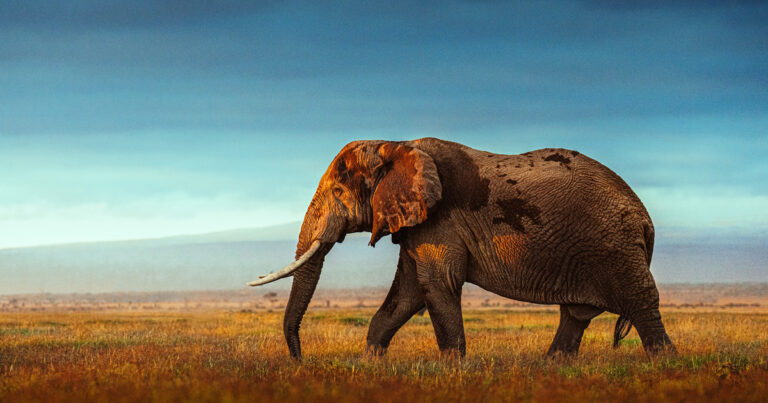
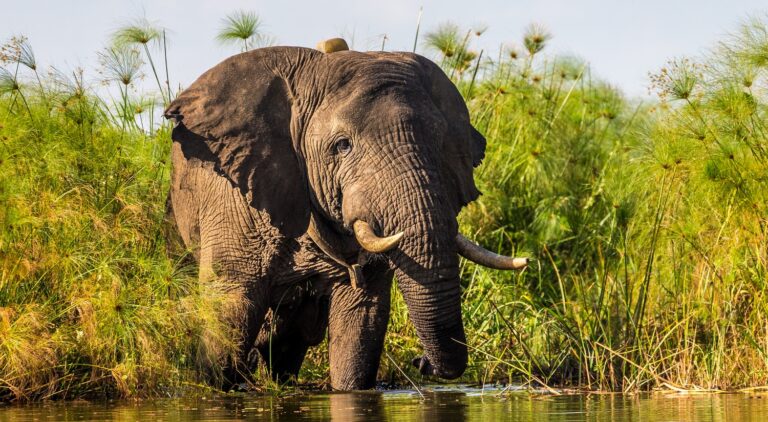
This gives photographers opportunities to capture elephants, buffaloes, antelopes, birds and predators depending on natural sightings.
The contrast between mountain landscapes and open savannah can greatly expand the photographic variety of the journey.
Adding a Boat Safari
A boat safari on the Kazinga Channel can provide an excellent family-friendly extension.
Wildlife can be observed without requiring children to spend another long period on rough game-drive tracks.
Bird photography can be particularly rewarding.
Photographers should protect equipment against water spray.
The boat activity also provides a completely different perspective from mountain photography.
Accommodation for Photographers
Accommodation should provide secure storage for camera equipment and dependable charging arrangements.
A property with attractive surroundings can create additional photography opportunities at sunrise or sunset.
Families should also consider room configuration, meals and child-friendly facilities.
Location matters because a lodge close to planned activities reduces unnecessary transfer time.
Photography Without Overloading the Day
Serious photographers can sometimes become focused on collecting as many images as possible.
Family travel requires a different balance.
Allow time to stop without taking photographs.
Children may want to explore, ask questions or simply enjoy the scenery.
A smaller number of carefully considered images often tells a stronger story than thousands of rushed photographs.
Best Approach for First-Time Family Photographers
Families new to safari photography should keep equipment simple.
One versatile camera body and a small selection of lenses can be enough.
Parents should understand their camera settings before departure.
The mountains are not the ideal place to spend long periods navigating unfamiliar menus.
Practicing before travel allows photographers to respond quickly when light or wildlife changes.
Responsible Family Travel
A photographic family safari in the Rwenzori Mountains should support responsible tourism.
Visitors should use authorized guides, respect local communities and avoid damaging vegetation.
Waste should be managed carefully.
Children can learn that conservation involves both protecting natural habitats and respecting people living around protected landscapes.
Planning Your Photography Day
A 1-Day Photographic Family safari in Rwenzori Mountains for Photographers works best when it emphasizes accessible mountain scenery, family comfort and patient photography.
Begin early, carry rain protection and use a manageable camera setup.
Allow changing clouds and mist to become part of the creative process rather than treating them as obstacles.
Combine landscapes with birds, forest details and natural family photographs.
With knowledgeable guiding and realistic expectations, one day in the Rwenzori region can produce a memorable collection of images while giving the entire family an enjoyable introduction to one of Uganda's most remarkable mountain environments.
Accommodation Options in Kigali


Ready to Experience This Family Safari?
Let our expert team customise this 1-day itinerary to match your interests and travel dates.
