
1 Day Mid-range Safari
1-Day Mid-range Chimpanzee trekking in Nyungwe Canopy Walk for Photographers
Photograph chimpanzees and rainforest scenery in Nyungwe with canopy walk tips, camera advice and mid-range safari planning.
- Mid-range Experience Mid-range Lodges & Hotels
- Chimpanzee Tracking An unforgettable encounter
- Kigali Experience Culture, dining & relaxation
- Tailor-Made Customised for you
Overview
Why Nyungwe Appeals to Photographers
A 1-Day Mid-Range Chimpanzee Trekking in Nyungwe Canopy Walk for Photographers combines two of southwestern Rwanda's most compelling rainforest experiences. Unlike combinations involving distant national parks, both chimpanzee trekking and the Nyungwe canopy experience belong within the broader Nyungwe National Park destination, although activity starting points and schedules still require careful coordination.
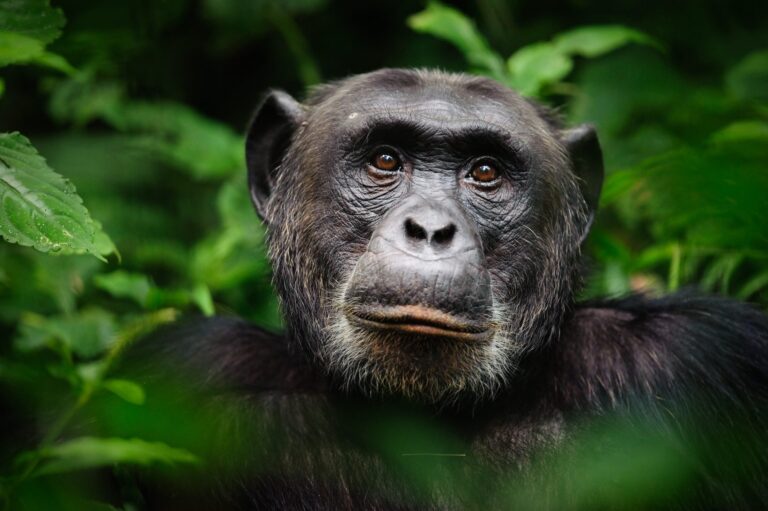
Nyungwe's chimpanzees provide challenging and exciting wildlife photography. They can move quickly through dense vegetation, disappear behind branches, and occupy areas with limited light. The canopy walkway offers a completely different photographic perspective, replacing close wildlife work with broad rainforest landscapes and elevated views.
For photographers, a Nyungwe chimpanzee trekking safari is most rewarding when the schedule allows enough time to observe rather than treating every activity as a race against the clock.
Why Nyungwe Appeals to Photographers
Nyungwe offers visual variety within a relatively concentrated region.
Dense forest, mist, giant trees, primates, birds, steep ridges, streams, and cultivated landscapes around the park provide many subjects.
The environment changes constantly with weather and elevation.
Photographers need to adapt quickly.
A scene that appears dark and flat can become dramatically illuminated when sunlight breaks through cloud.
This unpredictability is part of the attraction.
Understanding Chimpanzee Trekking
Chimpanzees move freely within their natural forest habitat.
Guides and trackers use their knowledge to locate them, but no visitor should expect the experience to unfold according to a studio-style photography plan.
Walking time and terrain vary.
Chimpanzees may remain on the ground or move into trees.
They can be active and vocal.
Photographers should prepare technically before the trek so that they can react quickly when opportunities appear.
The Early Start
Chimpanzee activities commonly involve early reporting.
Photographers should prepare camera batteries, memory cards, clothing, and daypacks the previous evening.
Accommodation location matters because a long pre-dawn transfer can add unnecessary fatigue.
Staying within practical reach of the confirmed activity starting point helps create a smoother morning.
Breakfast arrangements should also be discussed with the lodge if departure occurs before normal meal service.
Forest Light
Low light is one of the main photographic challenges in Nyungwe.
Dense vegetation can reduce available light even during the day.
Chimpanzees may also move between bright openings and deep shade within seconds.
Photographers should understand how to adjust shutter speed, ISO, and exposure quickly.
The exact settings depend on equipment and conditions.
There is no single camera configuration that works throughout the forest.
Being familiar with the camera is more important than carrying the most expensive equipment.
Choosing Lenses
A moderate telephoto lens can be useful for chimpanzees while keeping equipment manageable.
Very large lenses may become difficult to carry through steep forest terrain.
A wider lens can be useful for landscapes and the canopy walkway.
Photographers should consider whether changing lenses in humid or rainy conditions is practical.
A simple two-lens system can cover most situations.
The equipment should support the experience rather than becoming a physical burden.
Protecting Equipment
Nyungwe is a rainforest.
Camera protection is therefore essential even when the morning begins under clear skies.
A waterproof camera cover or dry bag can protect equipment during sudden rain.
Lens cloths are useful for dealing with moisture.
Spare batteries and memory cards should be stored securely.
Photographers should also protect their equipment from impact while climbing over uneven terrain.
A comfortable camera strap or carrying system can make a significant difference.
Observing Before Photographing
Wildlife photographers sometimes become so focused on camera settings that they stop observing animal behaviour.
Watching chimpanzees directly helps visitors anticipate movement.
A chimpanzee looking toward another animal may be about to interact.
Changes in vocalization or group movement can signal that the scene is about to change.
Observation therefore improves both the wildlife experience and photography.
Visitors should also spend moments away from the viewfinder simply appreciating the encounter.
Following Primate Rules
Photography never takes priority over park regulations.
Visitors must follow guide instructions concerning distance, movement, and behaviour.
Chimpanzees should never be approached simply to improve a composition.
Flash photography should not be used where prohibited.
Travellers who are unwell should comply with current health procedures because close genetic relationships make primates vulnerable to human diseases.
Responsible photography contributes to long-term conservation.
Moving Through the Forest
Strong hiking footwear is essential.
Trails may be steep, wet, or slippery.
Photographers carrying equipment should be particularly careful because a heavy bag can affect balance.
Long trousers protect against vegetation.
A lightweight waterproof jacket should remain accessible.
Travellers should carry enough water while keeping the pack manageable.
Where porter assistance is available and appropriate, photographers may find it useful for heavier equipment.
Adding the Canopy Walk
The Nyungwe Canopy Walk provides an excellent contrast after close wildlife photography.
Instead of concentrating on one moving animal, photographers can work with large-scale forest compositions.
The suspended walkway reveals tree canopies, distant ridges, and changing cloud.
Wide-angle or standard focal lengths can be useful.
Visitors should remain conscious of other people using the walkway.
Tripods and extensive equipment setups may not always be practical or appropriate.
Canopy Photography in Mist
Clear weather is not the only desirable condition.
Mist can simplify distant backgrounds and create layers across forest ridges.
Rain can deepen the colour of vegetation.
Photographers should therefore avoid judging the day as unsuccessful simply because the sky is cloudy.
Nyungwe's character is closely connected with moisture.
Learning to work with the weather often produces more distinctive images than waiting only for perfect sunshine.
Can Both Activities Fit Into One Day?
Chimpanzee trekking and the canopy walk can sometimes be planned within the same broader day depending on confirmed activity times, starting locations, trek duration, weather, and current park arrangements.
However, photographers should remain cautious about tight schedules.
Chimpanzees may require more walking than expected.
A delayed return can affect the next activity.
Visitors with enough time will generally benefit from separating the experiences across different days.
This provides more flexibility and reduces pressure.
Mid-Range Accommodation
A mid-range Nyungwe safari aims to balance comfort and price.
Photographers do not necessarily need a luxury lodge, but accommodation should provide secure rooms, reliable power where possible, and practical access to activity areas.
Charging camera batteries is especially important.
Visitors should ask about electricity arrangements before travelling with several devices.
A comfortable bed also matters after a long day carrying equipment through the forest.
Meals and Hydration
Photographers should not allow concentration on wildlife to interfere with basic needs.
Water should remain accessible throughout the trek.
A packed meal or snack may be useful according to the activity schedule.
Dietary requirements should be communicated beforehand.
After trekking, a proper meal provides time to rest and review the morning before the next activity.
A rushed lunch between two demanding excursions can reduce energy during the afternoon.
Other Wildlife Photography
Nyungwe contains far more than chimpanzees.
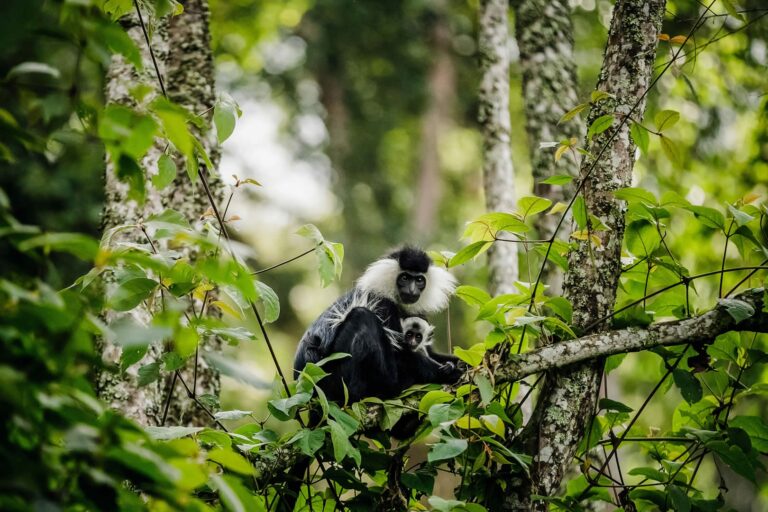
Other primates, birds, butterflies, plants, and forest landscapes can all become photographic subjects.
Travellers should remain attentive while walking rather than concentrating only on the main target species.
A knowledgeable guide can point out smaller details that would otherwise be missed.
These secondary subjects often produce some of the most distinctive images from a rainforest journey.
Tea Landscape Photography
The broader Nyungwe region includes attractive tea-growing areas.
Photographers with additional time can explore these landscapes through an appropriately arranged experience.
Rows of tea bushes provide strong patterns and contrasting textures.
Workers should be photographed only with permission.
Agricultural photography should respect the fact that plantations are workplaces.
A tea experience can provide a visually different afternoon after several days inside dense forest.
Extending the Photography Safari
Photographers can continue toward Lake Kivu for open landscapes and water-based scenes.
Volcanoes National Park adds volcanic peaks, golden monkeys, and mountain gorillas.
Akagera provides savannah wildlife and more open photographic conditions.
Combining these regions creates an exceptionally varied Rwanda portfolio.
The itinerary should still include rest days because continuously carrying camera equipment through demanding environments can become physically exhausting.
Plan Your Nyungwe Photography Safari
A 1-Day Mid-Range Chimpanzee Trekking in Nyungwe Canopy Walk for Photographers can deliver two contrasting photographic experiences within Rwanda's most famous rainforest destination.
Chimpanzees challenge photographers with movement, vegetation, and low light, while the canopy walkway opens the landscape into wider forest views.
A mid-range itinerary can provide comfortable accommodation and professional guiding without unnecessary luxury costs.
By preparing equipment carefully, protecting cameras from rain, following primate regulations, and allowing realistic time for each activity, photographers can create memorable images while experiencing Nyungwe as a complete rainforest ecosystem.
Accommodation Options in Kigali


Ready to Experience This Mid-range Safari?
Let our expert team customise this 1-day itinerary to match your interests and travel dates.
