
1 Day Family Safari
1-Day Family Birdwatching in Meru National Park for First-time visitors
Plan a 1-day family birdwatching safari in Meru National Park with varied habitats, wildlife, photography and practical first-time visitor advice.
- Family Experience Family-Friendly Lodges
- Wildlife Safari An unforgettable encounter
- Kigali Experience Culture, dining & relaxation
- Tailor-Made Customised for you
Overview
Why Meru Works for Family Birdwatching
A 1-day family birdwatching safari in Meru National Park offers first-time visitors an enjoyable introduction to one of Kenya's quieter wildlife destinations. Meru combines rivers, woodland, grassland and bush habitats, creating varied environments for birds and larger animals. Families can enjoy birdwatching without making the day feel like a specialist expedition.
The experience works best when adults allow children to discover wildlife at their own pace. Constantly searching for difficult bird species can become tiring for younger travellers. A balanced itinerary mixes bird observation with elephants, giraffes, zebras and other mammals encountered along the route.
Meru's relatively uncrowded atmosphere is another advantage. The park receives fewer visitors than some of Kenya's most famous reserves, creating a peaceful setting for families. Guides can stop at productive locations without always competing with many other vehicles.
Why Meru Works for Family Birdwatching
Birdwatching becomes easier for beginners when the landscape provides regular variety. Meru's changing habitats allow families to encounter different species as they move through the park.
Rivers and wetlands attract birds associated with water, while woodland supports a completely different community. Open areas provide opportunities to observe raptors and larger ground birds.
This variation keeps the experience interesting. Children who lose interest in one habitat may become excited when the vehicle reaches another area.
The park's larger wildlife also helps maintain enthusiasm. A morning spent identifying birds can suddenly include elephants crossing the road or giraffes feeding nearby.
Families therefore do not have to choose between birding and a traditional safari.
Starting the Day Early
An early start generally provides the best birdwatching conditions. Many species become active during the cooler morning hours when they are feeding and calling.
Morning light also makes colours easier to appreciate. Birds perched in exposed locations can be easier to photograph before the stronger midday sun develops.
Families should still avoid beginning so early that children become exhausted before the main activity starts. The schedule needs to match the ages and travel habits of the group.
A relaxed breakfast or simple packed meal can help maintain energy. The objective is to create an enjoyable family day rather than complete a demanding species checklist.
Birds Across Different Habitats
Meru's ecological diversity is one of its strongest birding advantages. Rivers crossing the park support water-associated species, while surrounding vegetation provides feeding and nesting opportunities.
Woodland areas encourage families to listen carefully. Birds may be heard before they become visible among leaves and branches.
Open grasslands create a different experience. Raptors can sometimes be seen scanning the landscape, while larger birds are easier for beginners to identify.
A knowledgeable guide can select productive habitats according to current conditions. This reduces unnecessary driving and gives children more opportunities to observe birds properly.
Helping Children Enjoy Birdwatching
Young travellers usually respond better to simple challenges than long technical explanations. Guides can encourage them to notice colours, beak shapes and behaviour.
A child may remember a bright bird more easily than its complete scientific classification. That curiosity can later develop into a stronger interest in nature.
Binoculars designed for smaller hands can improve the experience. Children should have time to practice before an important sighting appears.
Adults should also avoid taking control of every observation. Giving children a chance to spot wildlife first can make the safari more engaging.
Frequent short stops are often better than remaining stationary for an hour waiting for one difficult species.
Wildlife Beyond Birds
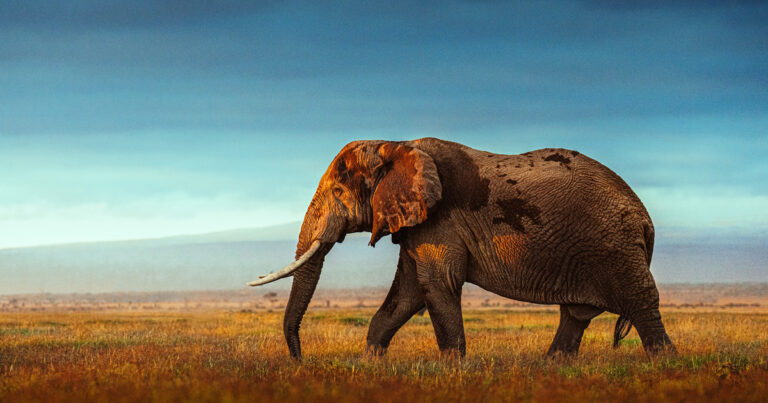
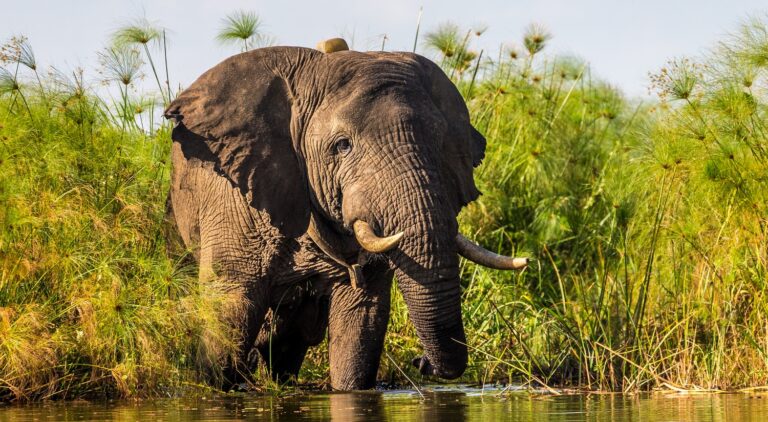
A family safari in Meru National Park naturally includes mammals as well as birds. Elephants are among the animals families may encounter during game drives.
Giraffes, zebras and several antelope species add variety across the landscape. Buffaloes and predators are also present, although sightings depend on daily wildlife movements.
Meru is also important for rhino conservation. Access and viewing arrangements should always follow park regulations and current management procedures.
Large mammals can provide useful breaks between birding sessions. Children often return to birdwatching with renewed interest after an exciting elephant or giraffe encounter.
This balance creates a more enjoyable family experience.
Rivers and Scenic Landscapes
Meru is crossed by numerous watercourses, giving the park a greener character than many visitors expect from this part of Kenya.
Riverine vegetation creates attractive scenery and productive wildlife habitat. Birds use trees, banks and shallow water for feeding and resting.
Families can enjoy these landscapes even when bird activity temporarily slows. The combination of water, palms, woodland and distant hills creates excellent photography opportunities.
Guides should select safe stopping areas where visitors can observe comfortably from the vehicle or designated locations.
The scenery helps children understand that protecting birds also means protecting the habitats they depend upon.
Photography for Families
Bird photography can become frustrating when beginners expect every image to be perfect. Birds move quickly, and small subjects are difficult to photograph from a distance.
Families should treat photography as part of the fun rather than a competition. Larger birds provide easier subjects for children learning to use a camera.
A moderate telephoto zoom offers useful flexibility. Smartphones can capture landscapes and larger wildlife, although distant birds may remain challenging.
Parents should encourage children to observe with their eyes and binoculars as well. Not every encounter needs to become a photograph.
The memory of watching a bird's behaviour can be more meaningful than a blurred image taken in a hurry.
Choosing the Right Safari Vehicle
A family vehicle should provide comfortable seating and good visibility. Children need safe access to windows or viewing areas without climbing into unsafe positions.
A private vehicle gives families greater flexibility. Stops can be shortened or extended according to children's interest and energy.
Families can also take breaks when necessary instead of following the fixed preferences of unrelated travellers.
The guide should understand that family safaris require patience. A good guide explains wildlife clearly without overwhelming younger guests with information.
Comfort becomes especially important during a full-day outing because several hours may be spent inside the vehicle.
Lunch and Rest During the Day
A one-day safari should include enough time for food and rest. Children can lose interest quickly when they become hungry or tired.
A picnic lunch at an authorized location can create a welcome break from the vehicle. Families can relax before continuing the afternoon drive.
Food should never be offered to wildlife. Animals that become accustomed to human food can develop dangerous behaviour.
Parents should also ensure that all rubbish leaves the picnic area. Keeping Meru clean protects wildlife and provides a useful conservation lesson for children.
After lunch, the safari can continue at a gentler pace before activity increases later in the afternoon.
What Families Should Pack
Comfortable lightweight clothing works well for most daytime conditions. A light layer can help during cooler early departures.
Sun protection is essential. Hats, sunscreen and drinking water should remain easily accessible throughout the day.
Each child can carry binoculars if suitable equipment is available. A small wildlife notebook can also make the experience interactive.
Families should bring any personal medication required during the day. Insect protection may also be useful depending on season and conditions.
Packing should remain simple. Too much equipment can make a one-day outing unnecessarily complicated.
Teaching Conservation Through Birding
Birdwatching provides an easy way to introduce children to conservation. Birds respond quickly to changes in water, vegetation and habitat quality.
A guide can explain these relationships in simple language. Children begin understanding that wildlife conservation involves complete ecosystems rather than protecting only famous mammals.
Meru's rivers provide a particularly useful example. Healthy water systems support birds, plants and larger animals simultaneously.
Families can also learn why feeding wildlife, littering or disturbing nests creates problems.
These lessons feel more meaningful when children see the ecosystem directly rather than reading about it later.
Is One Day Enough?
One day can provide an excellent introduction to Meru, especially for families adding the park to a broader Kenya itinerary. However, the park is large and cannot be fully explored within a few hours.
Bird enthusiasts may prefer several nights because different habitats deserve more time. A longer stay also provides additional morning birding sessions.
For first-time families, one well-planned day can still be rewarding. The itinerary should concentrate on a manageable section rather than attempting to cross the entire park.
Quality matters more than distance travelled. Spending twenty minutes watching interesting bird behaviour can be more valuable than driving constantly to increase a species count.
Plan Your Family Birdwatching Day in Meru
A 1-day family birdwatching safari in Meru National Park combines birds, wildlife and beautiful scenery within a quieter Kenyan park. The varied habitats keep the day interesting while introducing first-time visitors to different bird communities.
Families should begin early, maintain a relaxed pace and include regular breaks. Children often enjoy birding more when the activity is mixed with larger wildlife encounters and simple nature interpretation.
A private vehicle and knowledgeable family-friendly guide can make the experience particularly comfortable. With realistic expectations, one day in Meru can inspire a lasting interest in birds and African wildlife.
Accommodation Options in Kigali


Ready to Experience This Family Safari?
Let our expert team customise this 1-day itinerary to match your interests and travel dates.
