

Where to Stay in Lake Kivu for Family Gorilla Trekking
Plan Lake Kivu family gorilla trekking with advice on family stays, Rwanda gorilla permits, age rules, Volcanoes accommodation…
Read article →
Travel Guide
Plan How to See Lion in Katavi National Park for Photographers with practical advice on timing, costs, experiences, transport and responsible travel.
Planning how to see lion in Katavi National Park for photographers offers the opportunity to work in one of Tanzania's remote western safari environments. Katavi's appeal lies not simply in one species but in its wilderness atmosphere, broad landscapes and opportunities to observe wildlife away from the character of more heavily travelled safari circuits.
For photographers, lions are naturally important subjects.
Their social behaviour, interaction with prey, resting patterns and movement through the landscape can produce everything from intimate portraits to complex documentary sequences.
However, wild lion sightings and behaviour cannot be guaranteed.
A serious photographic safari should therefore allow enough time for natural events to develop while remaining open to the park's many other subjects.
With Gecko Safaris Africa, photographers can build a Katavi itinerary around private guiding, suitable transport, equipment considerations and multiple days in the field.
Katavi can provide an appealing setting for photographers who value wilderness atmosphere.
The surrounding environment is as important as the animal.
A lion photographed within an expansive landscape tells a different story from an isolated portrait.
Photographers can therefore work at several visual scales.
Close details, group interactions and environmental frames can all contribute to a more complete photographic narrative.
Lions are social predators.
Groups can include related females, young animals and males according to pride structure and circumstances.
They may spend long periods resting.
Activity can increase when conditions become cooler.
Photographers should understand these patterns while remaining prepared for unexpected behaviour.
A resting lion can suddenly stand, interact or move, creating only seconds to capture an important sequence.
Wildlife photography cannot be rushed.
A photographer who drives away from every resting lion may miss the moment when behaviour changes.
At the same time, remaining for hours at an inactive animal can mean missing other opportunities.
An experienced guide helps judge the situation.
This balance between waiting and moving is one of the skills that develops during a dedicated photography safari.
Early daylight can provide softer illumination and attractive colour.
Temperatures may also be more comfortable.
Photographers should prepare cameras before departure.
Batteries should be charged and memory cards ready.
The first wildlife encounter can occur before there is time to reorganize equipment.
Being technically prepared allows the photographer to concentrate on composition and behaviour.
Later daylight can also provide strong photographic opportunities.
Low-angle light may add texture to a lion's coat and the surrounding landscape.
Photographers should monitor exposure as light levels fall.
A camera capable of handling higher sensitivity can be useful.
However, technical perfection should not become more important than recording significant behaviour.
Harsh light can be difficult, but photographers should not stop observing.
Lions may rest in shade, creating challenging contrast.
A behaviour sequence under imperfect light can still have considerable documentary value.
Photographers can also use midday periods for birds, landscapes or environmental details.
Every hour in the field can produce something different.
A telephoto zoom provides flexibility for lions at varying distances.
Long focal lengths can isolate faces and interactions.
Shorter focal lengths can show groups within the landscape.
Photographers should avoid framing every image too tightly.
Environmental photographs often communicate more about Katavi than portraits that remove all context.
Photographers with sufficient equipment may use two bodies with different lenses.
This reduces the need to change lenses in dusty conditions.
One body can carry a telephoto zoom while another uses a shorter focal range.
However, equipment weight and domestic flight baggage restrictions should be considered.
Carrying more equipment is useful only when it can be managed efficiently.
For close portraits, accurate focus on the eyes can make a substantial difference.
Lions may remain still enough for careful composition, but photographers should remain prepared for sudden movement.
Continuous autofocus can be useful depending on the camera system.
Photographers should practice their preferred settings before travelling.
Interaction creates storytelling opportunities.
Grooming, play, communication and movement between pride members can produce compelling sequences.
Photographers should watch body language.
An apparently quiet scene may contain subtle interactions.
Continuous observation is more valuable than repeatedly checking photographs on the rear screen.
The important moment may occur while the photographer is reviewing the previous frame.
Predator-prey interactions can be unpredictable and emotionally intense.
Photographers should document them without interfering.
Drivers must not influence the outcome.
Visitors should remain quiet and follow guide instructions.
Wildlife photography is observational.
The presence of tourists should not change the natural relationship between predator and prey.
Photographers should never ask guides to chase lions or force them into better light.
Vehicles should not block movement.
Animals should not be called or baited.
A lion resting away from the road does not owe the photographer a close portrait.
Ethical practice protects wildlife and produces a more credible photographic record.
A private vehicle is highly valuable for serious photographers.
Equipment can be arranged more efficiently.
The photographer can remain longer at sightings and communicate directly with the guide about desired angles.
When more than one photographer shares the vehicle, seating arrangements should be discussed in advance.
Everyone should have fair opportunities.
Small changes in position can significantly alter a photograph.
A guide may be able to improve the background or light while remaining on permitted routes.
Photographers should communicate clearly but respectfully.
The guide must always prioritize safety and regulations.
If the desired angle cannot be reached responsibly, the photographer should work creatively with the available position.
Katavi's landscapes should not be ignored.
A wide lens can capture the scale of the wilderness.
Lions shown as smaller elements within a broad environment can produce powerful images.
Changing skies and atmospheric conditions add further possibilities.
A strong photographic portfolio should communicate where the animals live rather than containing only close portraits.
Photographers should remain ready for other carnivores according to natural conditions.
A lion-focused itinerary does not mean ignoring another predator when an opportunity appears.
Unexpected sightings often become the strongest photographs of a trip.
Flexibility is therefore essential.
The camera should remain accessible even while travelling between known wildlife areas.
Katavi's broader wildlife can provide excellent photographic subjects.
Large mammals, antelopes and other herbivores create opportunities for portraits, behaviour and environmental images.
These animals also provide ecological context for predators.
Photographing both predator and prey produces a more complete story of the ecosystem.
Aquatic wildlife can introduce a very different visual challenge.
Hippos may spend much of the day partly submerged.
Photographers can work with reflections, groups and facial details.
Safety is essential.
Hippos should never be approached independently or treated casually.
All observations must follow professional guidance.
Birds provide continuous opportunities.
A long lens carried for lions can also be used for raptors and other species.
Photographers should remain attentive to behaviour.
Birds can create excellent images during periods when larger mammals are inactive.
A guide with strong bird knowledge adds considerable value.
Katavi changes seasonally.
Vegetation, water availability and wildlife distribution can alter dramatically.
Different conditions create different visual possibilities.
Photographers should decide whether they prefer particular landscape characteristics rather than searching for a universally perfect period.
No season guarantees a specific lion encounter.
A remote destination deserves sufficient time.
The logistics required to reach Katavi make an extremely short visit inefficient.
Several nights provide repeated game-drive opportunities and changing light.
A quiet first day becomes less important when multiple days remain.
Photography improves when travellers stop treating every hour as their only chance.
The remote location makes transport planning important.
Domestic aviation can form a major component of the journey.
Flight schedules should be coordinated carefully.
Photographers should avoid tight connections with international departures.
Weather or operational changes can affect remote travel, so reasonable timing margins are valuable.
Photographers should review domestic flight luggage allowances before packing.
Professional camera equipment can add substantial weight.
Soft-sided luggage may be required or preferred depending on the service.
Equipment details should be communicated in advance when necessary.
Waiting until check-in to address excess weight can create avoidable complications.
Safari roads can expose equipment to dust.
Camera bags should remain closed when possible.
Photographers should minimize lens changes while the vehicle is moving.
A blower and suitable cleaning equipment can be useful.
Protecting sensors and lenses is especially important on a multi-day professional photography journey.
Photographs should be backed up consistently.
A laptop or portable storage device can be used where practical.
Memory cards should be kept securely.
Important sequences should ideally exist in more than one location.
Photographers should not wait until the end of the safari to discover that a card or drive has failed.
Remote accommodation may have specific electricity arrangements.
Photographers should confirm charging facilities before travelling.
Several camera batteries should be available.
Power banks may be useful for appropriate smaller devices.
Charging should become part of the evening routine so equipment is ready before every early departure.
Location and safari access can be more important than excessive room luxury.
Photographers often spend substantial time in the field.
A comfortable property with good logistics may therefore provide more value than an elaborate room that reduces wildlife time.
Meals, charging facilities and equipment security should all be considered.
Lightweight neutral clothing is practical.
A warmer layer can be useful during cool periods.
Sun protection is essential.
Photographers should also carry binoculars.
Comfort matters because long periods may be spent sitting in a safari vehicle.
Uncomfortable clothing or footwear can become distracting during extended field days.
Katavi's remoteness can influence transport and accommodation costs.
A photography-focused itinerary may also include private vehicles and additional nights.
Travellers should request a detailed quotation.
The objective should be maximizing meaningful field time.
For serious photographers, another full wildlife day may provide more value than an unnecessary accommodation upgrade.
Photographers can combine Katavi with another western Tanzania destination when transport and time make sense.
The second location should provide genuinely different subjects.
Every additional destination introduces logistical complexity.
A focused itinerary with enough time in each location generally produces a stronger portfolio than a rushed collection of parks.
The photographer can begin at the appropriate Tanzania gateway and use confirmed domestic transport toward Katavi National Park.
Several nights can then be dedicated to lions, other predators, herbivores, hippos, birds and landscapes.
Multiple game drives provide opportunities under changing light and wildlife conditions.
The journey can subsequently continue to one complementary destination or return toward the international departure point.
When contacting Gecko Safaris Africa, provide travel dates, number of photographers, camera equipment and preferred safari duration.
Mention lion photography as a central objective.
State whether a private vehicle is required.
The itinerary can then allocate appropriate field time while accounting for domestic flights, baggage and accommodation logistics.
The key to how to see lion in Katavi National Park for photographers is to allow enough time for natural behaviour to develop.
Lions may provide spectacular portraits and behavioural sequences, but the strongest photographic journey also embraces other predators, herbivores, hippos, birds and Katavi's wilderness landscapes.
Photographers should prioritize private guiding where appropriate, sensible equipment, regular image backups and responsible wildlife viewing.
With Gecko Safaris Africa, Katavi can become an immersive photography safari where field time and authentic animal behaviour matter more than rushing between destinations or attempting to guarantee individual sightings.
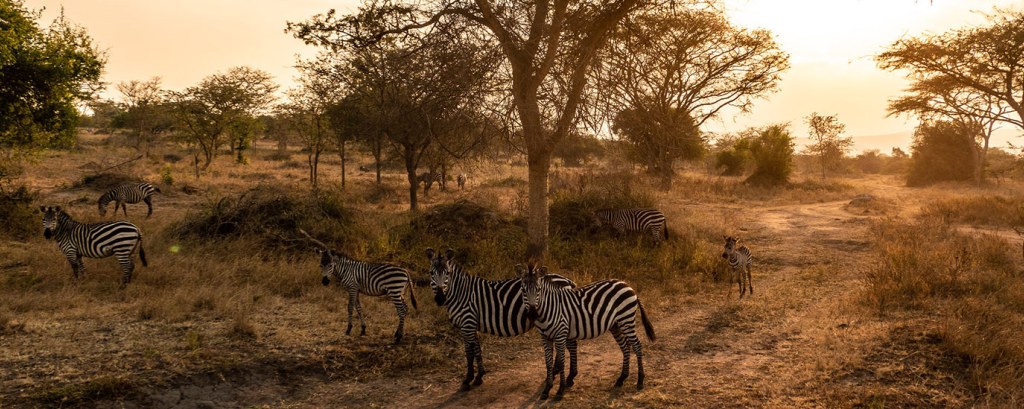
Lions may be encountered in the park, but wild animal sightings cannot be guaranteed.
Its remote wilderness environment can provide diverse wildlife and landscape subjects for photographers.
Yes. It can provide additional flexibility and equipment space.
A telephoto zoom is valuable for wildlife, while a shorter lens can capture landscapes and environmental compositions.
Several nights are preferable for travellers making the effort to reach a remote destination and wanting varied photographic opportunities.
Still Have Questions?
Talk to a safari specialistPlan Lake Kivu family gorilla trekking with advice on family stays, Rwanda gorilla permits, age rules, Volcanoes accommodation…
Read article →Plan a private Lake Ihema and tea plantation tour with Akagera lodges, private game drives, Nyungwe stays, tea…
Read article →Find where to stay near Lake Burera for gorilla photography, Virunga landscapes and convenient access to Rwanda's Volcanoes…
Read article →Plan a mid-range Lake Burera stay with Volcanoes National Park before continuing to Akagera for Rwanda Big Five…
Read article →