

Where to Stay in Lake Kivu for Family Gorilla Trekking
Plan Lake Kivu family gorilla trekking with advice on family stays, Rwanda gorilla permits, age rules, Volcanoes accommodation…
Read article →
Travel Guide
Plan How to See Lion in Arusha National Park for Couples with practical advice on timing, costs, experiences, transport and responsible travel. Request a
Planning how to see lion in Arusha National Park for couples requires realistic expectations about the park and the unpredictable nature of predator sightings. Arusha National Park is valued for its varied habitats, primates, giraffes, birds, Mount Meru scenery and convenient position within northern Tanzania, but couples whose main objective is a classic lion-focused safari may want to combine it with another suitable wildlife destination.
Lions are among the most sought-after animals on an African safari.
However, no wild lion should ever be guaranteed in a particular location or on a particular game drive.
A well-designed couples safari therefore provides multiple wildlife interests rather than allowing the success of the entire holiday to depend on one species.
With Gecko Safaris Africa, couples can incorporate Arusha National Park into a broader northern Tanzania route that provides varied landscapes and additional predator-viewing opportunities.
Arusha National Park can provide a gentle introduction to Tanzania's wildlife.
Its varied environment creates a different experience from the country's extensive savannah destinations.
Couples can enjoy wildlife observation while also appreciating forest, open landscapes and views associated with Mount Meru.
The park's location can make it particularly useful near the beginning or end of a northern Tanzania safari.
No.
Wild lions move according to prey, territory, resting behaviour and other natural factors.
A guide can search suitable areas but cannot control where the animals will be.
Couples should avoid booking any safari based on a promise of guaranteed lions.
The uncertainty of wildlife is part of what separates an authentic safari from a controlled attraction.
Lions are social cats.
They may live in groups and spend significant periods resting.
Their activity can vary considerably throughout the day.
A lion lying quietly in vegetation can be difficult to see even though it is a large animal.
Understanding these behaviours helps couples appreciate why guides spend time scanning carefully rather than simply driving from one known animal to another.
Early mornings can provide interesting predator-viewing opportunities and pleasant temperatures.
Light can also be attractive for photography.
However, couples should not assume that lions disappear entirely during warmer hours.
Wildlife behaviour remains variable.
A well-planned safari uses sufficient field time rather than depending entirely on one supposedly perfect hour.
A private safari vehicle provides flexibility.
Couples can decide how long they want to remain at a lion sighting.
Photographers can wait for behaviour without worrying about unrelated passengers.
The guide can also balance predator searching with the couple's other interests.
Because two travellers share certain vehicle costs, private travel can provide better value than it initially appears.
A telephoto zoom is useful, but couples should also consider wider photographs.
A lion shown within its habitat can create a stronger sense of place.
Portraits are particularly effective when the animal is alert or interacting naturally.
Photographers should avoid making noises to force the lion to look toward the camera.
Natural behaviour should always remain the priority.
Couples may also want photographs together during the journey.
These should be taken only where guides indicate that it is safe and permitted to leave the vehicle.
Wildlife areas are not outdoor studios where travellers can stand anywhere they choose.
A professional guide's safety instructions should always override the desire for a particular photograph.
Visitors should remain quiet and avoid disturbing resting animals.
Drivers should not block a lion's movement.
Wildlife must never be fed.
Couples should resist the temptation to request an unnecessarily close approach.
A lion that continues behaving naturally provides a far better encounter than one reacting to pressure from vehicles.
Couples should appreciate the park's broader wildlife diversity.
Giraffes, primates and various other animals may form part of the experience depending on natural conditions.
Birdlife can also be a major attraction.
These encounters help make the park worthwhile even when lions remain elsewhere.
A safari should be understood as an ecosystem experience rather than a checklist.
The forest environments can provide opportunities to observe primates.
This creates a useful contrast with the big-cat focus of other safari destinations.
Couples can spend time learning about how primates use forest habitat.
A knowledgeable guide can explain behaviour and ecological relationships.
This diversity is one reason Arusha National Park can work well within a longer Tanzania itinerary.
Binoculars are useful for both partners.
Birdwatching provides continuous wildlife interest while guides search for mammals.
The park's varied habitats can support different types of birds.
Couples who are new to birding do not need to identify everything themselves.
The guide can point out distinctive species and explain their behaviour.
Wildlife is only part of the experience.
The landscape around Mount Meru contributes significantly to the park's identity.
Weather can influence visibility.
Couples should take time to appreciate the scenery instead of treating every minute as a search for predators.
Wide landscape photographs can become some of the most memorable images of the journey.
Couples for whom lions are a major priority can continue to other northern Tanzania wildlife areas.
The route may include Tarangire, Ngorongoro or the Serengeti according to available time.
This creates multiple ecosystems and additional opportunities for predators.
It also ensures that Arusha National Park can be appreciated for its genuine strengths.
A romantic safari should not become a series of exhausting transfers.
Couples should select a realistic number of destinations.
Several nights in important locations provide more time for wildlife observation.
Constantly packing and changing lodges can reduce enjoyment.
The strongest itinerary balances exploration with time to relax together.
Accommodation should match the couple's preferred style and budget.
Privacy, location and atmosphere can be important.
A honeymoon couple may value a different property from travellers primarily interested in photography.
Special occasions should be communicated before booking.
Confirmed inclusions should always be distinguished from assumptions about complimentary upgrades or services.
Couples celebrating a honeymoon or anniversary can request appropriate arrangements.
However, the itinerary should not become overloaded with scheduled romantic extras.
Wildlife itself is often the main experience.
A relaxed evening after an excellent game drive can be more memorable than a complicated schedule of activities.
Allowing free time helps the journey feel personal.
Dietary information should be provided in advance.
Safari accommodation may need notice for specialized meals.
Couples should understand which meals are included in the package.
Packed lunches may sometimes be used during longer wildlife days.
This can provide more field time when both travellers prioritize game viewing.
Lightweight practical clothing works well.
A warmer layer may be useful during cool mornings.
Sun protection is important.
Comfortable shoes should be included.
Couples sharing luggage should still keep essential medication and important travel items accessible.
Photographers should carry spare batteries and memory cards.
Seasonal conditions influence scenery and wildlife distribution.
There is no season that guarantees a lion.
Couples should choose dates according to the complete northern Tanzania journey.
Accommodation availability, weather and other wildlife interests all matter.
A safari planner can help structure the route around these broader considerations.
Two travellers can share certain vehicle and guiding expenses.
Accommodation, applicable park charges and meals also contribute to the total.
Couples should request a detailed quotation.
Comparing only nightly hotel prices can be misleading because the safari includes substantial transportation and operational costs.
The complete package should be evaluated.
Comprehensive travel insurance is advisable.
The policy should cover the planned destinations and activities.
Travellers should keep important documents accessible.
Necessary medication should be carried in adequate quantities.
Current health and entry requirements should be reviewed through appropriate official sources before departure.
Arusha National Park can form part of a short itinerary, but couples seeking a substantial predator safari should allocate more days to the broader northern circuit.
Several game drives across suitable wildlife areas create more opportunities.
This does not guarantee lions.
It simply allows the journey to unfold at a more natural pace.
The couple can spend an arrival night in Arusha before visiting Arusha National Park.
The day can focus on wildlife, primates, birds and Mount Meru scenery while searching appropriate areas for predators.
The journey can then continue to another northern Tanzania safari destination offering broader lion-viewing opportunities.
Several nights in selected parks can create a balanced couples safari.
When contacting Gecko Safaris Africa, provide travel dates, number of days, accommodation preference and approximate budget.
Mention lion viewing if it is a major priority.
If the trip is a honeymoon or anniversary, include this information.
The itinerary can then combine Arusha National Park with complementary wildlife destinations while maintaining a comfortable pace.
The key to how to see lion in Arusha National Park for couples is to keep wildlife expectations realistic while designing a broader safari with enough diversity.
Arusha National Park contributes scenery, primates, giraffes, birds and varied habitats, while complementary northern Tanzania destinations can provide additional opportunities to search for lions and other predators.
Couples should prioritize private guiding where appropriate, sensible transfer times and enough nights to enjoy each location.
With Gecko Safaris Africa, these elements can be combined into a relaxed and wildlife-rich Tanzania journey for two.
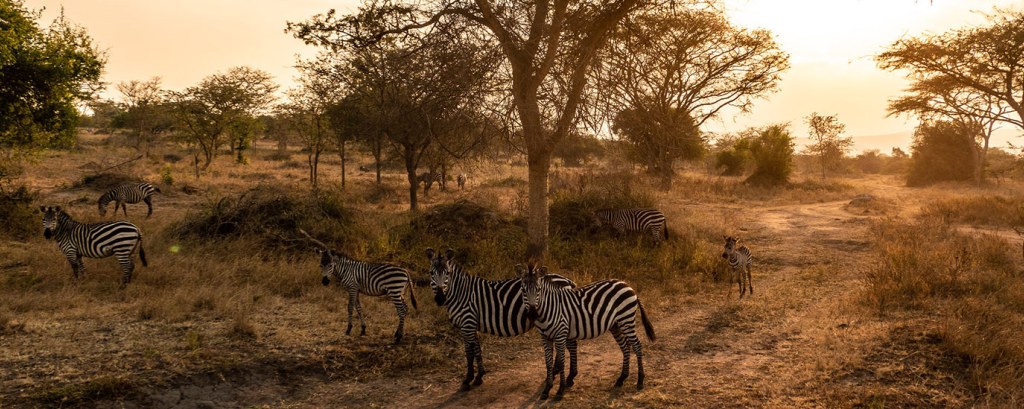
Wildlife is unpredictable, and a lion sighting should never be guaranteed.
Yes. The park offers varied landscapes, primates, giraffes, birds and Mount Meru scenery.
Yes. It provides additional flexibility and allows both travellers to share certain vehicle costs.
Yes. It can fit into a broader northern Tanzania safari.
Visitors should remain in authorized viewing positions and follow professional guide instructions.
Still Have Questions?
Talk to a safari specialistPlan Lake Kivu family gorilla trekking with advice on family stays, Rwanda gorilla permits, age rules, Volcanoes accommodation…
Read article →Plan a private Lake Ihema and tea plantation tour with Akagera lodges, private game drives, Nyungwe stays, tea…
Read article →Find where to stay near Lake Burera for gorilla photography, Virunga landscapes and convenient access to Rwanda's Volcanoes…
Read article →Plan a mid-range Lake Burera stay with Volcanoes National Park before continuing to Akagera for Rwanda Big Five…
Read article →