

Where to Stay in Lake Kivu for Family Gorilla Trekking
Plan Lake Kivu family gorilla trekking with advice on family stays, Rwanda gorilla permits, age rules, Volcanoes accommodation…
Read article →
Travel Guide
Plan How to See Leopard in Zanzibar for Seniors with practical advice on timing, costs, experiences, transport and responsible travel. Request a
Planning how to see leopard in Zanzibar for seniors requires separating Zanzibar's island attractions from the traditional mainland safari experience. Zanzibar is internationally known for its Indian Ocean setting, historic communities, beaches and distinctive island environment rather than as a conventional destination for viewing wild leopards on game drives.
Senior travellers who want an authentic leopard safari should therefore consider combining Zanzibar with an appropriate mainland Tanzania national park.
This can produce a particularly comfortable and varied holiday. The mainland section provides opportunities to search for leopards and other large mammals, while Zanzibar offers a slower environment for relaxation after the safari.
The itinerary should be planned carefully so that seniors are not subjected to unnecessary road transfers, frequent hotel changes or poorly timed flight connections.
With Gecko Safaris Africa, the safari and Zanzibar sections can be coordinated around mobility, accommodation preferences, available days and the desired level of comfort.
Zanzibar should not be presented as a conventional wild leopard safari destination.
Travellers expecting the classic experience of searching for a leopard from a safari vehicle should plan that activity on mainland Tanzania.
This distinction is important because Tanzania's island and mainland environments provide very different travel experiences.
Zanzibar remains a valuable part of the itinerary without needing to provide every wildlife species associated with the country.
The combination works particularly well for seniors who want variety.
Safari days may involve early starts and substantial time in a vehicle.
Zanzibar provides an opportunity to slow the pace.
Travellers can spend several days relaxing before the return journey.
This creates a natural transition from active wildlife exploration to a quieter coastal experience.
The appropriate park depends on available time and other wildlife interests.
Several mainland Tanzania destinations can provide opportunities to search for leopards.
However, these predators remain elusive.
Senior travellers should select a park offering broad wildlife diversity rather than choosing solely according to leopard expectations.
This ensures that every game drive remains rewarding even when the target predator stays hidden.
Leopards are generally solitary.
Their patterned coats provide exceptional camouflage.
They can remain concealed in vegetation, rest in trees or move quietly through suitable habitat.
A guide may locate signs of leopard activity without finding the animal itself.
Seniors should regard this uncertainty as part of an authentic safari rather than as a failure of the guide.
Wildlife moves freely according to natural conditions.
No guide controls where a leopard chooses to rest or hunt.
A traveller may see one unexpectedly during a short game drive or spend several days without a sighting.
Responsible safari companies explain this clearly.
Premium accommodation or private transport can improve comfort and flexibility but cannot guarantee wild animals.
A private safari vehicle can provide considerable value for senior travellers.
The pace can be adapted according to comfort.
Appropriate breaks can be incorporated where possible.
Travellers can also remain longer at interesting wildlife sightings.
This flexibility is particularly useful for guests who prefer not to follow a larger group's fixed schedule.
Senior travellers with mobility limitations should discuss vehicle access before booking.
Safari vehicles can be relatively high.
Suitable steps or other practical arrangements may be needed depending on individual requirements.
These details should be addressed before arrival.
A comfortable vehicle entry and exit can make the entire safari more enjoyable.
An itinerary should provide realistic transfer estimates.
Senior travellers may prefer to avoid consecutive days of very long road journeys.
Domestic flights can sometimes reduce driving, depending on the route.
However, flying is not automatically more convenient if it creates difficult connections.
The complete journey should be designed around comfort rather than simply minimizing kilometres.
Seasonal conditions influence vegetation, wildlife distribution and scenery.
There is no season that guarantees a leopard.
Senior travellers should choose dates according to the complete safari-and-Zanzibar experience.
Weather, accommodation availability and preferred travel pace all matter.
A well-planned itinerary considers the entire journey rather than one target species.
A moderate telephoto zoom can be useful without becoming excessively heavy.
Many senior travellers prefer equipment that is comfortable to handle for long periods.
Binoculars are also extremely valuable.
Visitors should not feel that they need professional cameras to enjoy a leopard encounter.
Observing the animal directly can be more memorable than concentrating entirely on photography.
Travellers should never ask drivers to chase a leopard or leave permitted routes.
Wildlife should not be called, baited or deliberately disturbed.
If an animal moves away, it should be given space.
A responsible safari allows natural behaviour to continue.
These standards apply regardless of the traveller's age or the amount paid for the journey.
A mainland leopard safari can provide opportunities to see numerous other animals.
Depending on the selected destination, travellers may encounter elephants, giraffes, buffaloes, antelopes, primates, other predators and many birds.
These encounters are not secondary consolation prizes.
They form the core of the safari ecosystem and should be appreciated in their own right.
Birdwatching can be particularly enjoyable for travellers who prefer patient observation.
Binoculars allow seniors to examine distant wildlife without physical exertion.
Wetlands, woodlands and open landscapes can support very different bird communities.
A knowledgeable guide can identify species and explain their ecological relationships.
Senior travellers should prioritize practical comfort.
Ground-floor rooms, convenient bathroom layouts and reasonable walking distances can matter more than elaborate decoration.
The property should also be located sensibly for planned wildlife activities.
Travellers should communicate accessibility requirements before reservations are made.
This gives the operator time to select suitable options.
The same principle applies on the island.
A beautiful property with many steep steps may be unsuitable for a traveller with limited mobility.
Seniors should ask about room location, access to dining areas and distance to the beach.
The objective is to choose accommodation that is both attractive and genuinely comfortable.
Dietary requirements should be communicated early.
Safari properties may need advance notice for specialized meals.
Seniors should also maintain appropriate hydration.
The itinerary should explain which meals are included.
Packed meals may sometimes be used during longer wildlife days depending on the arrangements.
Necessary medication should be packed in adequate quantities.
Important prescriptions should remain in accessible luggage.
Travellers should review current health guidance with appropriate qualified sources before departure.
Any practical medical or mobility considerations affecting travel should be communicated during itinerary planning.
This allows the journey to be structured more realistically.
Comprehensive travel insurance is advisable.
A combined safari and Zanzibar itinerary involves several transport components.
Flight disruption or illness can affect multiple bookings.
Travellers should understand their coverage and keep emergency contact information available.
Insurance is particularly important when the itinerary includes remote wildlife areas.
Flying is often an efficient way to connect the mainland and Zanzibar.
However, schedules and baggage policies should be checked carefully.
Smaller aircraft can have different baggage limits from international airlines.
Travellers carrying medication or valuable items should keep essential belongings accessible according to airline requirements.
Lightweight practical clothing can cover much of the journey.
A warmer layer may be useful during early safari mornings.
Sun protection is important in both mainland Tanzania and Zanzibar.
Comfortable footwear should be prioritized.
Travellers do not need an extensive safari wardrobe.
Packing lightly can make domestic connections easier.
Senior travellers should avoid compressing too much into a short period.
Several game drives in one or two carefully selected parks may be more enjoyable than constantly moving between destinations.
A slower itinerary creates more opportunities for wildlife and provides adequate rest.
This is particularly useful when searching for an unpredictable predator such as a leopard.
Several nights can provide a comfortable conclusion to the safari.
The ideal duration depends on the traveller's interests.
Some seniors may want only a brief island stay.
Others may prefer a longer period of relaxation.
The itinerary should reflect personal preferences rather than a fixed formula.
A leopard photographed on mainland Tanzania should not later be described as a Zanzibar wildlife sighting.
Accurate location information helps future travellers understand what to expect.
It also prevents misinformation about species distribution.
Responsible travel communication is an important extension of responsible wildlife viewing.
The total price depends on accommodation, private transportation, domestic flights, applicable park charges and number of safari days.
Senior travellers should request a detailed quotation.
A slightly higher price may provide substantial value when it reduces difficult transfers or provides a private vehicle.
The goal should be comfort and efficiency rather than selecting the cheapest possible itinerary.
Travellers can begin with an arrival night on mainland Tanzania.
Several days can then be spent in a suitable national park searching for leopards and other wildlife.
After completing the active safari section, the journey can continue by appropriate domestic connection to Zanzibar.
Several island nights can provide relaxation before the international departure.
When contacting Gecko Safaris Africa, provide travel dates, number of travellers, preferred accommodation category and available days.
Mention leopard viewing as a priority.
Any mobility, dietary or room-access requirements should also be communicated.
The itinerary can then combine appropriate mainland wildlife habitat with a comfortable Zanzibar stay.
The best approach to how to see leopard in Zanzibar for seniors is to combine a suitable mainland Tanzania wildlife destination with a comfortable island stay.
The mainland safari provides opportunities to search for wild leopards and other large mammals, while Zanzibar offers a slower coastal conclusion.
Senior travellers should prioritize manageable transfers, private transport where useful, suitable accommodation and enough time to enjoy each destination.
With Gecko Safaris Africa, these elements can be coordinated into a balanced Tanzania journey built around realistic wildlife expectations, comfort and responsible travel.
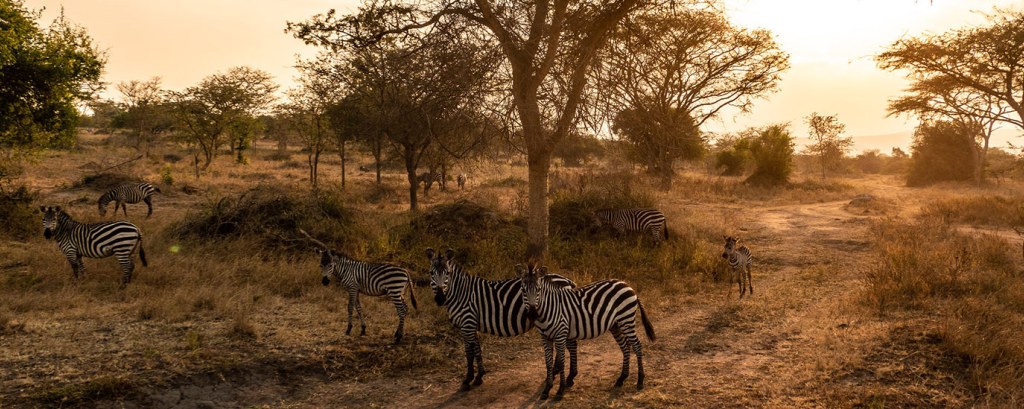
Zanzibar is not a conventional destination for a traditional wild leopard safari. A suitable mainland park should be included.
No. Leopards are elusive wild predators and sightings cannot be guaranteed.
Yes. It can provide additional flexibility for breaks and wildlife-viewing pace.
Depending on the route, domestic flights may reduce some transfers, although the complete logistics should be evaluated.
It can provide a relaxing contrast after several active wildlife days.
Still Have Questions?
Talk to a safari specialistPlan Lake Kivu family gorilla trekking with advice on family stays, Rwanda gorilla permits, age rules, Volcanoes accommodation…
Read article →Plan a private Lake Ihema and tea plantation tour with Akagera lodges, private game drives, Nyungwe stays, tea…
Read article →Find where to stay near Lake Burera for gorilla photography, Virunga landscapes and convenient access to Rwanda's Volcanoes…
Read article →Plan a mid-range Lake Burera stay with Volcanoes National Park before continuing to Akagera for Rwanda Big Five…
Read article →