

Where to Stay in Lake Kivu for Family Gorilla Trekking
Plan Lake Kivu family gorilla trekking with advice on family stays, Rwanda gorilla permits, age rules, Volcanoes accommodation…
Read article →
Travel Guide
Plan How to See Leopard in Paje for Photographers with practical advice on timing, costs, experiences, transport and responsible travel. Request a
Planning how to see leopard in Paje for photographers requires separating the photographic strengths of Zanzibar from the wildlife opportunities of mainland Tanzania. Paje is a coastal destination on Zanzibar rather than a conventional wild leopard safari area, so photographers who want authentic images of leopards should combine their stay in Paje with a suitable mainland national park.
This combination can create a particularly strong photographic itinerary.
A mainland safari provides opportunities to photograph wild leopards, other mammals, birds and African landscapes, while Paje introduces beaches, coastal light, human-interest photography and a completely different visual environment.
Photographers should not regard this geographical separation as an inconvenience. It can actually strengthen a portfolio by providing substantial visual contrast.
With Gecko Safaris Africa, photographers can organize a mainland predator safari together with Paje accommodation, domestic transport and equipment-conscious transfers.
Paje should not be treated as a conventional place for finding wild leopards.
It is better known for its Indian Ocean setting and coastal experiences.
Photographers whose main wildlife objective is a leopard should allocate sufficient time to an appropriate mainland protected area.
This provides a more accurate and responsible wildlife experience.
It also prevents misleading expectations about where Tanzania's classic safari species are normally sought.
Wildlife photography can involve long hours in vehicles and early departures.
Paje provides a contrasting environment where photographers can change their creative approach.
Instead of continuously using a long telephoto lens, they can work with wider coastal landscapes, changing skies and travel subjects.
The resulting collection can communicate more of Tanzania than a wildlife-only portfolio.
A combined itinerary can also provide time to rest after several intensive safari days.
The appropriate safari destination depends on available time, budget and the other subjects the photographer wants to capture.
Tanzania has several protected areas where leopards may be encountered.
However, no destination can guarantee them.
Photographers should therefore select a park with broader photographic value.
If the leopard remains hidden, elephants, giraffes, antelopes, predators, birds and landscapes can still produce an excellent body of work.
Leopards are secretive and well camouflaged.
Their patterned coats can blend remarkably well with vegetation, tree branches and shadows.
They may rest for long periods in concealed locations.
A photographer may know a leopard is present but still struggle to obtain a clean composition.
This challenge makes patience essential.
The objective should be documenting natural behaviour rather than demanding an unobstructed portrait.
Vegetation should not automatically be regarded as a problem.
A leopard partly concealed behind leaves can create a powerful photograph.
Such images demonstrate how effectively the predator disappears into its environment.
Photographers should make both documentary and artistic compositions.
A clean portrait may be attractive, but an environmental photograph can communicate considerably more about leopard ecology.
A telephoto zoom provides useful flexibility during safari.
The leopard may be close enough for a portrait at one moment and farther away shortly afterwards.
A second camera body with a wider lens can be useful for landscapes and larger animals.
However, photographers should avoid carrying equipment simply because it is available.
A smaller kit that can be handled efficiently often produces better results.
Wildlife encounters can happen quickly.
Camera settings should be prepared before the vehicle reaches a sighting.
Photographers should understand autofocus, exposure compensation and drive modes before travelling.
A safari is not an ideal place to begin learning basic camera controls.
Familiarity with equipment allows the photographer to concentrate on animal behaviour rather than menus and buttons.
A private safari vehicle can be especially valuable for serious photographers.
The photographer can remain at a promising leopard sighting for longer when appropriate.
Equipment can also be organized with more space.
A private guide can learn which subjects and compositions matter most to the photographer.
However, private travel does not provide permission to ignore park rules or disturb wildlife.
Photographers should never ask a driver to chase a leopard or block its movement.
Wildlife should not be called, baited or deliberately provoked.
If the leopard wants to move away, it should be allowed to do so.
Natural behaviour creates stronger documentary photographs.
Ethical fieldcraft is therefore both a conservation responsibility and an important element of professional wildlife photography.
Leopards may sometimes use elevated positions.
When this occurs, photographers should consider both vertical and horizontal framing.
Branches can create natural framing around the animal.
The sky may become part of the background.
Exposure can be challenging when the leopard is darker than a bright sky, so photographers should monitor highlights and shadows carefully.
Ground-level leopard encounters create different opportunities.
Vegetation may partially conceal the animal.
Photographers can anticipate movement rather than continuously firing the shutter.
If the leopard begins walking, a sufficiently fast shutter speed may help preserve detail.
The photographer should also leave visual space in front of the animal when composing movement.
A leopard search should never prevent photographers from capturing other subjects.
Elephants, giraffes, buffaloes, antelopes, primates and birds may provide memorable photographs depending on the selected mainland park.
Predator behaviour involving other species can be equally compelling.
The photographer who remains visually flexible will generally return with a stronger portfolio than someone obsessed with one target.
Long lenses used for leopards can also be valuable for birds.
Raptors, waterbirds and colourful smaller species can become excellent secondary subjects.
Bird photography requires quick focusing and careful composition.
It can keep photographers productive while guides continue searching for predators.
A knowledgeable guide can also identify species and explain behaviour.
Mainland Tanzania deserves landscape photographs as well.
Photographers should occasionally use a shorter focal length and document the scale of the environment.
An animal shown within a large landscape can communicate habitat more effectively than a tight portrait.
These photographs also create visual transitions when building a complete travel story.
After the mainland safari, Paje introduces a different photographic language.
The coastline, changing tides, skies and daily activity provide opportunities for wider compositions.
Photographers can work with natural patterns and changing light.
The island section can be approached more slowly than the safari.
Scouting locations before sunrise or sunset can improve composition and reduce last-minute rushing.
Coastal light changes rapidly.
Photographers should arrive early enough to evaluate foregrounds and compositions before the strongest light develops.
Clouds can add interest rather than ruin a session.
Reflections and wet sand can also create photographic opportunities depending on conditions.
The strongest coastal photography often comes from adapting to what the weather provides.
Travel photographers should respect the people they photograph.
Close identifiable portraits should be approached with appropriate consideration for consent and context.
Photographers should avoid treating local residents merely as decorative elements.
Images should also be captioned accurately.
Responsible storytelling is as important as technical image quality.
A leopard photographed on mainland Tanzania should not be captioned as though it was photographed in Paje.
This distinction matters.
Incorrect captions can spread misinformation about wildlife distribution.
Travel businesses and photographers have a responsibility to identify destinations accurately.
A combined itinerary can still be described as a Paje-and-safari journey without misrepresenting where the wildlife encounter occurred.
Connecting a mainland safari with Zanzibar may involve domestic aviation.
Photographers should check baggage allowances before travelling.
Camera bodies, lenses, laptops and backup drives can add significant weight.
Equipment details should be communicated before flights are booked when necessary.
Assuming international baggage rules apply to smaller domestic services can create problems.
Mainland safari roads can be dusty.
Camera bags should remain closed when equipment is not being used.
Photographers should minimize lens changes during particularly dusty conditions.
A blower and appropriate cleaning materials can be useful.
Equipment should be cleaned carefully rather than aggressively.
Preventing dust contamination is easier than repeatedly correcting affected photographs later.
Paje introduces different environmental challenges.
Sand and moisture can be harmful to cameras.
Equipment should not be placed directly on the beach.
Camera bags should remain protected from blowing sand.
Photographers moving between air-conditioned rooms and humid outdoor conditions should also be aware that condensation can affect equipment.
Simple precautions can protect expensive gear.
A multi-destination photography journey requires a consistent backup routine.
Images should be copied regularly to separate storage where practical.
Memory cards should be stored securely.
Photographers should avoid formatting cards until they are confident that images have been backed up properly.
A beautiful leopard sequence has little value if a storage failure destroys the only copy.
On safari, location can be more important than excessive luxury.
A strategically positioned lodge may increase productive field time.
In Paje, photographers may prioritize easy access to preferred coastal locations.
Charging facilities should be confirmed.
Travellers using multiple camera batteries, computers and storage devices should understand electricity arrangements before arrival.
The ideal dates depend on both safari and island priorities.
Mainland vegetation, wildlife distribution and weather change seasonally.
Paje's coastal conditions also vary.
Photographers should decide what visual style they want rather than searching for one universally perfect month.
No season can guarantee a leopard sighting.
Photography rewards time.
A one-day safari may produce a leopard, but it may also produce none.
Several game drives provide more opportunities to respond to changing conditions.
Photographers should therefore consider spending more time in one productive wildlife destination instead of rushing through several parks.
Repeated visits to the same habitat can produce completely different photographs.
Several nights can provide time to photograph different coastal conditions.
A single sunset does not represent the complete destination.
Weather and tides change.
Photographers can also use part of the stay to rest and organize their safari images.
The balance between photography and relaxation should reflect the purpose of the trip.
Private vehicles, additional field days and camera-related baggage arrangements can increase costs.
Photographers should decide where spending creates actual photographic value.
More time in the field may be more useful than an expensive accommodation upgrade.
A detailed quotation should identify transfers, guiding, accommodation, applicable park charges and domestic flights.
The journey can begin with several days in a suitable mainland Tanzania safari destination.
Game drives can concentrate on leopards, other predators, mammals, birds and landscapes.
The photographer can then connect to Zanzibar and continue to Paje.
Several coastal nights provide time for landscape, travel and environmental photography before the onward journey.
When contacting Gecko Safaris Africa, provide travel dates, number of photographers, camera equipment and preferred accommodation category.
Mention leopard photography as a primary objective.
The mainland destination can then be selected accordingly.
Domestic transport and Paje accommodation can be coordinated around baggage requirements and the desired photographic schedule.
The best approach to how to see leopard in Paje for photographers is to create a two-part photography journey rather than expecting Paje itself to function as a classic leopard safari destination.
A carefully selected mainland national park provides the wild leopard photography component, while Paje contributes coastal landscapes and a contrasting visual environment.
Photographers should allocate enough safari days, protect equipment carefully and maintain accurate location information when publishing images.
With Gecko Safaris Africa, mainland predator photography and Paje can be connected into a coherent Tanzania itinerary built around authentic wildlife encounters, responsible fieldcraft and diverse photographic opportunities.
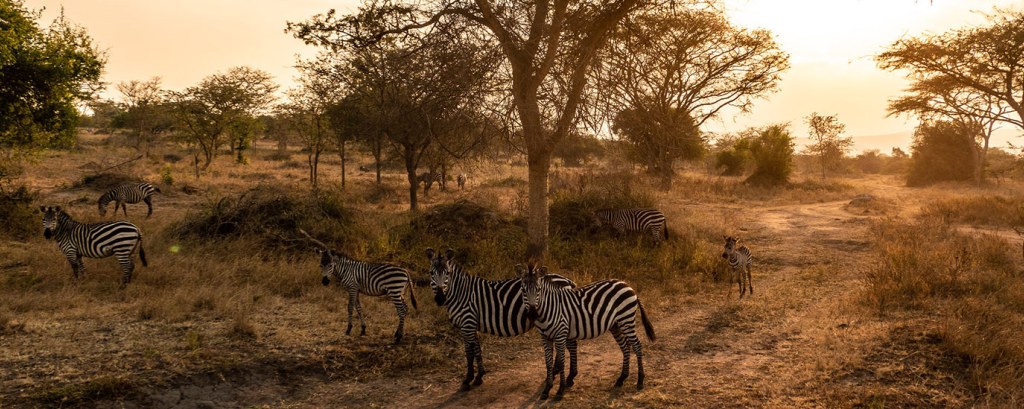
Paje is not a conventional wild leopard safari destination. A suitable mainland protected area should be included for leopard photography.
Yes. Mainland Tanzania and Zanzibar can be combined within one itinerary using appropriate transport connections.
No. Leopards are elusive wild predators and sightings cannot be guaranteed.
Yes. It provides photographers with greater flexibility and equipment space.
Paje can provide coastal landscapes, changing light and broader travel-photography opportunities.
Still Have Questions?
Talk to a safari specialistPlan Lake Kivu family gorilla trekking with advice on family stays, Rwanda gorilla permits, age rules, Volcanoes accommodation…
Read article →Plan a private Lake Ihema and tea plantation tour with Akagera lodges, private game drives, Nyungwe stays, tea…
Read article →Find where to stay near Lake Burera for gorilla photography, Virunga landscapes and convenient access to Rwanda's Volcanoes…
Read article →Plan a mid-range Lake Burera stay with Volcanoes National Park before continuing to Akagera for Rwanda Big Five…
Read article →