

Where to Stay in Lake Kivu for Family Gorilla Trekking
Plan Lake Kivu family gorilla trekking with advice on family stays, Rwanda gorilla permits, age rules, Volcanoes accommodation…
Read article →
Travel Guide
Plan How to See Flamingo in Serengeti National Park for Photographers with practical advice on timing, costs, experiences, transport and responsible travel.
Planning how to see flamingo in Serengeti National Park for photographers requires understanding that the Serengeti is internationally celebrated for its savannah wildlife, predators and vast landscapes rather than as Tanzania's principal destination for consistently large flamingo concentrations. Photographers interested in flamingos can still build an exceptional itinerary by combining the Serengeti with appropriate wetland habitats.
The Serengeti National Park provides extraordinary opportunities to photograph lions, cheetahs, leopards, elephants, giraffes, zebras, wildebeest, birds and dramatic landscapes. A complementary wetland destination can then provide a stronger opportunity to photograph flamingos when ecological conditions are suitable.
Lake Manyara is historically associated with flamingos, although bird numbers and distribution fluctuate naturally.
With Gecko Safaris Africa, photographers can combine these environments in one carefully structured Tanzania safari while allowing enough time for wildlife behaviour, changing light and responsible photography.
The Serengeti should primarily be approached as a broad savannah wildlife and landscape photography destination.
Photographers should not travel there expecting the enormous flamingo congregations historically associated with certain alkaline lakes.
Wild flamingos are highly mobile.
Their movements respond to water levels, food resources, salinity and other environmental factors.
A specialist photography itinerary should therefore incorporate appropriate wetland locations instead of depending exclusively on the Serengeti for flamingo images.
Few African destinations offer the same combination of open landscapes and wildlife diversity.
Photographers can work with environmental portraits, close wildlife images, silhouettes and expansive compositions.
Predator behaviour can provide particularly compelling photographic opportunities.
The landscape itself changes with season and location.
Grasslands, rocky outcrops and different vegetation patterns provide varied backgrounds.
This makes the Serengeti valuable even before the flamingo component is added.
Lake Manyara National Park is historically associated with flamingos and diverse waterbirds.
However, photographers should avoid assuming that photographs taken in previous years represent current conditions.
Flamingo concentrations can change considerably.
A professional guide can provide local observations and help position the vehicle responsibly when birds are present.
Photographers should arrive prepared for the possibility that flamingos may be distant or less numerous than expected.
Flamingos move between suitable wetlands in response to changing environmental conditions.
Water chemistry influences food resources, while water depth can affect feeding opportunities.
These ecological factors are more important than tourism calendars.
For photographers, understanding this movement adds meaning to the images.
Instead of simply photographing a pink flock, the photographer can document the relationship between the birds and their changing habitat.
A telephoto lens is particularly useful for bird photography.
Flamingos may remain a considerable distance from accessible viewing areas.
Long focal lengths allow photographers to capture individual birds and group formations without disturbing them.
A second camera body with a shorter lens can be useful for landscapes and wider environmental compositions.
Photographers should also carry sufficient batteries, memory cards and basic cleaning equipment.
Wildlife photographers may use appropriate support inside the safari vehicle.
A beanbag can provide a stable platform without requiring a large tripod.
The most suitable setup depends on vehicle configuration.
Photographers should discuss equipment requirements before departure.
A private safari vehicle can make it easier to organize camera bags and maintain clear shooting positions.
A private photography vehicle provides valuable flexibility.
Photographers can spend longer at promising wildlife sightings instead of following a fixed group schedule.
They can also discuss morning departure times and photographic priorities with the guide.
However, private access does not permit off-road driving where prohibited or approaching birds irresponsibly.
Park rules remain essential regardless of the cost or exclusivity of the safari.
Early and late daylight can produce attractive tones and reflections.
Low-angle light may reveal texture in feathers and provide softer backgrounds.
However, photographers should remain flexible.
Wildlife behaviour does not always occur during perfect light.
Cloudy conditions can sometimes reduce harsh contrast, while midday conditions can still produce valuable documentary photographs.
A strong wildlife photographer adapts to the available conditions.
Large groups create opportunities for patterns and abstract compositions.
Instead of photographing every bird individually, photographers can use repeating shapes, reflections and colour.
A wider lens or shorter telephoto can capture the relationship between the flock and landscape.
When birds are dispersed, longer focal lengths can isolate individuals or small groups.
Composition should respond to what nature provides rather than attempting to recreate famous images from previous seasons.
Flamingos should never be deliberately frightened into flight.
Photographers sometimes prefer images of birds taking off, but intentionally causing this behaviour is irresponsible.
Repeated disturbance consumes energy and interrupts feeding or resting.
Vehicles should remain within authorized areas.
The guide should determine appropriate positioning according to park regulations and wildlife behaviour.
Natural flight behaviour is far more meaningful to document.
A specialist safari should not ignore other species simply because flamingos are the target.
Tanzania supports remarkable bird diversity.
Waterbirds, raptors and smaller species can provide excellent photographic opportunities.
Photographers who remain observant between major sightings often return with a more diverse portfolio.
A knowledgeable guide can identify species and anticipate useful behaviour.
The Serengeti portion can focus on mammals and predator behaviour.
Cheetahs can provide striking images in open landscapes, while lions may be photographed resting, travelling or interacting socially.
Elephants, giraffes and large herbivore herds create opportunities for environmental compositions.
Photographers should avoid rushing from one species to another.
Remaining with an animal for longer can reveal behaviour that a hurried visitor misses.
Different seasons create different visual conditions.
Green vegetation can provide rich backgrounds, while drier periods may produce more muted tones and dusty atmospheres.
Wildlife distribution also changes.
Photographers should choose dates according to their creative objectives as well as wildlife interests.
The flamingo destination should be considered simultaneously because conditions there may follow a different ecological pattern.
Photography benefits from time.
Several nights in the Serengeti allow photographers to revisit productive areas and respond to changing conditions.
The wetland destination also deserves enough time.
A single rushed game drive may not coincide with favourable light or bird positioning.
Where budget permits, spending longer in fewer locations usually produces stronger photographic results.
Location should be a major consideration.
A camp near productive wildlife areas can reduce travel time before morning photography.
Photographers should also ask about charging arrangements.
Multiple camera batteries, laptops and storage devices require dependable charging opportunities.
Remote camps may have specific charging hours or systems.
Understanding these arrangements before arrival prevents unnecessary problems.
A backup strategy should be established before travelling.
Photographers can copy images to portable storage or a laptop where practical.
Important images should ideally exist in more than one place.
Memory cards should be stored carefully and protected from dust and moisture.
The backup process should remain simple enough that it does not consume every evening.
Camera equipment can create challenges on small aircraft.
Safari flights may have stricter luggage limits than international airlines.
Photographers carrying heavy telephoto lenses should disclose equipment requirements before flights are confirmed.
Additional arrangements may be necessary.
Never assume that international airline baggage allowances apply to every domestic flight.
Private vehicles, specialist guiding, additional luggage and longer stays can increase the price.
These expenses may nevertheless provide direct photographic value.
A detailed quotation should identify accommodation, park fees, guiding, transfers and flights.
Any special arrangements for photographic equipment should also be clear.
Photographers can then decide where additional spending will genuinely improve the experience.
The journey can begin with several nights in the Serengeti National Park.
Game drives can focus on predators, mammals, birds and landscapes.
The itinerary can then continue toward an appropriate wetland destination such as Lake Manyara.
Here, photographers can search for flamingos and other waterbirds according to current conditions.
The combination provides dramatically different subjects within one Tanzania safari.
When contacting Gecko Safaris Africa, provide travel dates, equipment details and photographic priorities.
Mention whether a private vehicle is required.
If flamingos are a major objective, state this clearly.
The itinerary can then allocate sufficient time to appropriate habitats instead of inaccurately treating the Serengeti as Tanzania's primary flamingo destination.
The best approach to how to see flamingo in Serengeti National Park for photographers is to combine the Serengeti's extraordinary safari photography with an appropriate wetland destination.
The Serengeti provides predators, mammals, birds and expansive landscapes, while Lake Manyara can provide specialist flamingo opportunities when ecological conditions are favourable.
Photographers should prioritize time, responsible positioning, suitable equipment and realistic wildlife expectations.
With Gecko Safaris Africa, these elements can be combined into a carefully paced photographic journey designed around authentic wildlife rather than guaranteed or staged encounters.
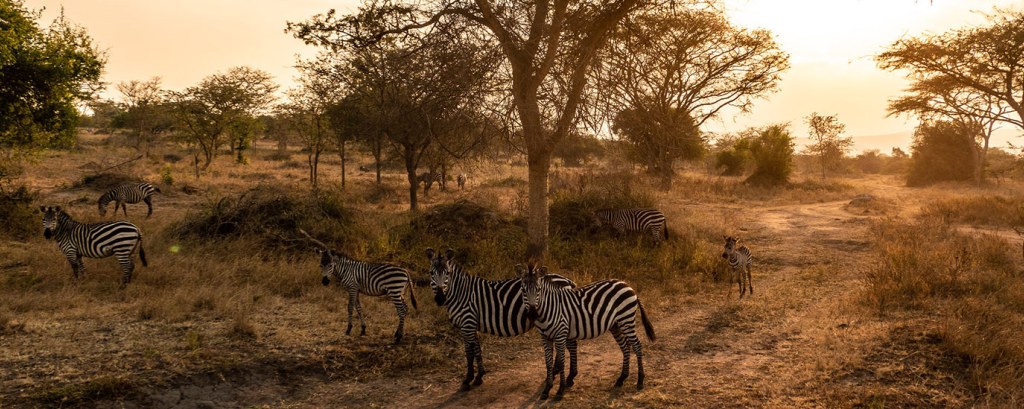
Bird sightings vary, but the Serengeti should not be considered Tanzania’s principal destination for predictable large flamingo concentrations.
Lake Manyara is historically associated with flamingos, although numbers fluctuate naturally.
No. Wildlife movements, weather and light cannot be guaranteed.
Yes. It provides greater control over time, positioning and equipment space.
Restrictions can apply, so equipment weight should be discussed before booking.
Still Have Questions?
Talk to a safari specialistPlan Lake Kivu family gorilla trekking with advice on family stays, Rwanda gorilla permits, age rules, Volcanoes accommodation…
Read article →Plan a private Lake Ihema and tea plantation tour with Akagera lodges, private game drives, Nyungwe stays, tea…
Read article →Find where to stay near Lake Burera for gorilla photography, Virunga landscapes and convenient access to Rwanda's Volcanoes…
Read article →Plan a mid-range Lake Burera stay with Volcanoes National Park before continuing to Akagera for Rwanda Big Five…
Read article →