

Where to Stay in Lake Kivu for Family Gorilla Trekking
Plan Lake Kivu family gorilla trekking with advice on family stays, Rwanda gorilla permits, age rules, Volcanoes accommodation…
Read article →
Travel Guide
Plan How to See Flamingo in Lake Manyara National Park for Families with practical advice on timing, costs, experiences, transport and responsible travel.
Planning how to see flamingo in Lake Manyara National Park for families can add an exciting birdwatching dimension to a Tanzania safari. Lake Manyara is historically associated with flamingos and an impressive diversity of other birds, while the surrounding national park also provides opportunities to encounter mammals and enjoy the scenery of Tanzania's Rift Valley.
Families should nevertheless understand one fundamental point before travelling: wild flamingo numbers are not guaranteed.
Flamingos move in response to changing water levels, food availability and other ecological conditions. The enormous concentrations shown in photographs from particular periods may therefore not be present during every family visit.
A well-designed safari from Gecko Safaris Africa treats flamingos as an important wildlife objective while ensuring the family can enjoy Lake Manyara's broader ecosystem regardless of the number of birds encountered.
Lake Manyara has long been associated with striking images of flamingos feeding across its shallow waters.
Suitable wetland conditions can provide feeding habitat for these specialized birds.
The visual effect of large numbers of pink birds against the lake and Rift Valley landscape has helped make flamingos one of the destination's recognizable wildlife attractions.
However, natural ecosystems change.
Water levels and food conditions influence whether large numbers of flamingos are present at a particular time.
Families should therefore arrive with curiosity rather than a guaranteed checklist.
No ethical safari operator can guarantee a wild flamingo sighting or a particular flock size.
Birds can move between wetlands.
Conditions that were excellent several weeks or months earlier may change.
This is why current local observations can be more useful than old photographs.
An experienced guide will interpret the conditions during the safari and help the family appreciate whatever wildlife is present.
Lake Manyara can be particularly suitable for family safaris because much of the wildlife viewing is conducted from a vehicle.
Children can observe animals without undertaking a demanding trek.
The park also provides variety.
A game drive may include birds, monkeys, elephants, giraffes, buffaloes and other wildlife depending on conditions.
This variety can help maintain children's interest throughout the activity.
Children may enjoy birdwatching more when it becomes interactive.
Parents can encourage them to count different bird colours, identify shapes or keep a simple wildlife notebook.
Older children can learn to use binoculars.
A guide can explain why flamingos appear pink, what they eat and how their specialized feeding behaviour works.
Turning the safari into an educational experience helps children understand that wildlife observation involves more than simply photographing animals.
Flamingos depend on specialized wetland environments.
Their distribution is influenced by water chemistry, depth and available food.
This explains why they may appear in large numbers in one location and later move elsewhere.
Understanding this movement can itself become an interesting conservation lesson for families.
Wildlife does not exist according to tourism schedules.
The changing lake environment demonstrates how closely animals depend on ecological conditions.
There is no single date that guarantees the greatest number of flamingos.
Families should consider broader seasonal factors such as rainfall, road conditions, temperature and school holiday schedules.
Peak travel periods may have higher accommodation demand.
Quieter periods can sometimes provide a more relaxed safari atmosphere.
Parents should book according to the overall Tanzania experience rather than choosing dates based solely on historic flamingo photographs.
One of Lake Manyara's strengths is its wildlife diversity.
Even if flamingos are distant or relatively few, families can enjoy other birds and mammals.
The park's varied habitats can support monkeys, elephants, giraffes, buffaloes, antelopes and numerous bird species.
Predator sightings are possible but never guaranteed.
The scenery itself is also an important part of the experience.
A lightweight pair of binoculars can transform birdwatching.
Families travelling with older children may want more than one pair so everyone has a chance to observe birds independently.
Children should practise using binoculars before the safari if possible.
This reduces frustration when an interesting bird appears.
Binocular straps should be adjusted correctly so equipment is less likely to be dropped.
Families do not need expensive professional cameras.
A camera with optical zoom can be useful when birds are far from the vehicle.
Smartphones can capture landscapes and family photographs.
Parents should teach children not to shout or make sudden movements in an attempt to force birds to fly.
Natural behaviour provides better wildlife memories than deliberately disturbing animals for action photographs.
Flamingos and other birds should be observed from appropriate distances.
Visitors should remain within permitted areas and follow guide instructions.
Litter should never be left inside the park.
Children can be encouraged to understand why these rules exist.
Responsible safari behaviour protects wildlife habitat and teaches younger travellers that tourism carries responsibilities as well as privileges.
Lake Manyara can be included within a wider northern Tanzania safari.
The appropriate number of nights depends on the overall route.
Families should avoid extremely long driving days where possible.
A well-paced itinerary can include Lake Manyara before continuing to another park or returning to a comfortable lodge.
Parents travelling with younger children may prefer shorter game drives rather than remaining in the vehicle from sunrise until evening.
Vehicle comfort matters.
Children need safe seating and enough space for the journey.
Families should communicate the number and ages of children before transport is confirmed.
A private safari vehicle can be particularly useful because the family can adjust the pace.
If children become tired, the game drive can sometimes be shortened without affecting unrelated travellers.
Family rooms and suitable room configurations should be requested early.
Some properties have limited family accommodation.
Parents should ask about the distance between rooms if separate units are required.
Meal times and children's menus may also be relevant.
A conveniently located lodge can reduce driving and make the daily routine easier.
Children may become hungry at different times from adults.
Parents should understand the meal plan before departure.
Packed lunches may be used on longer safari days.
Suitable snacks can be carried according to park and lodge rules.
Food should never be offered to wildlife.
Children should understand that feeding monkeys, birds or other animals can alter natural behaviour and create safety problems.
Families should carry hats, sunscreen and sufficient drinking water.
Children can be particularly affected by heat and dehydration.
Lightweight clothing is useful during warmer periods.
A warmer layer may still be valuable for early departures.
Parents should monitor children rather than assuming they will always say when they are thirsty or uncomfortable.
Families with enough time can combine Lake Manyara with other northern Tanzania safari areas.
The best route depends on the number of days and the children's ages.
Adding too many parks can make the holiday tiring.
Every accommodation change involves packing, driving and settling into another property.
A smaller number of carefully selected destinations can produce a more enjoyable family safari.
Family safari prices depend on the number and ages of travellers, accommodation category, park charges and transportation.
Parents should ask whether any applicable children's rates are reflected in the quotation.
These should not be assumed because policies can vary.
The quotation should also identify meals, transfers, game drives and accommodation clearly.
This allows families to understand the complete holiday cost before booking.
Lake Manyara can become an outdoor classroom.
Children can learn about bird migration, wetland ecology, predator-prey relationships and habitat conservation.
A good guide can explain these concepts in simple, memorable ways.
Parents can encourage children to keep a list of species seen during the safari.
This creates a personal record that can remain meaningful long after the trip.
Parents should arrange appropriate travel insurance and review current travel health guidance.
Any necessary medication should be carried in sufficient quantity.
Children's health needs should be discussed before travelling to remote areas.
Important documents and emergency contact details should remain accessible.
Families should also follow guide instructions inside parks and never allow children to leave the vehicle where doing so is prohibited.
A family can arrive in northern Tanzania and spend the first night resting after the international journey.
The following day can continue toward Lake Manyara National Park.
A game drive can focus on birds, scenery and general wildlife.
The family can then continue to another selected safari destination or spend additional time in the region.
The itinerary should leave enough flexibility for meals and rest rather than scheduling continuous activities.
When contacting Gecko Safaris Africa, provide the ages of all children, travel dates, accommodation preferences and total number of available days.
Mention flamingos as an important interest.
The safari can then be planned around Lake Manyara while keeping expectations realistic about changing bird numbers.
A private vehicle and family-suitable accommodation can also be included according to the required budget.
The key to how to see flamingo in Lake Manyara National Park for families is to approach the experience as genuine wildlife observation rather than a guaranteed spectacle.
Lake Manyara can provide excellent birdwatching, beautiful Rift Valley scenery and a varied family safari even when flamingo numbers fluctuate.
Parents can make the experience more meaningful by introducing children to bird identification, wetland ecology and responsible wildlife viewing.
With Gecko Safaris Africa, the visit can be incorporated into a well-paced family itinerary with suitable accommodation, private transport where required and enough flexibility for children to enjoy the safari comfortably.
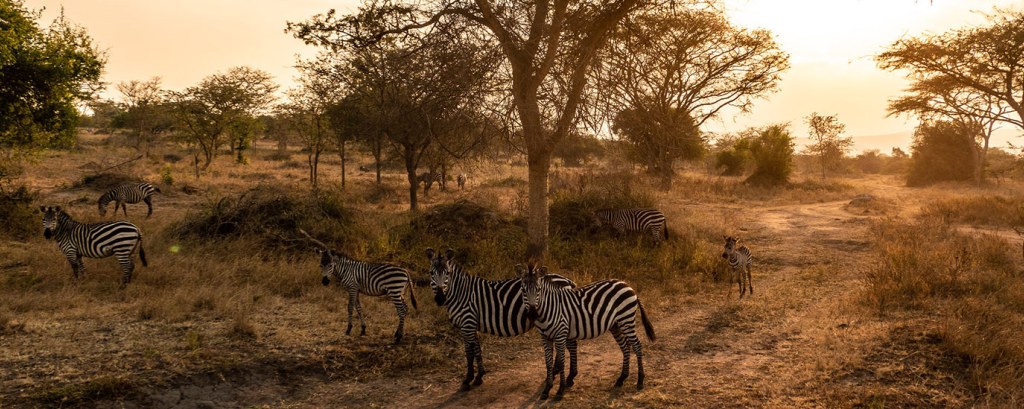
Flamingos may be observed when conditions are suitable, but their numbers and locations vary naturally.
No. Historic photographs do not guarantee that the same concentration will be present during a particular visit.
It can be an excellent family safari destination because much of the wildlife viewing is vehicle-based and the park contains varied wildlife.
Useful items include comfortable clothing, sun protection, drinking water arrangements and age-appropriate binoculars.
Yes. It fits naturally within Tanzania’s northern safari circuit.
Still Have Questions?
Talk to a safari specialistPlan Lake Kivu family gorilla trekking with advice on family stays, Rwanda gorilla permits, age rules, Volcanoes accommodation…
Read article →Plan a private Lake Ihema and tea plantation tour with Akagera lodges, private game drives, Nyungwe stays, tea…
Read article →Find where to stay near Lake Burera for gorilla photography, Virunga landscapes and convenient access to Rwanda's Volcanoes…
Read article →Plan a mid-range Lake Burera stay with Volcanoes National Park before continuing to Akagera for Rwanda Big Five…
Read article →