

Where to Stay in Lake Kivu for Family Gorilla Trekking
Plan Lake Kivu family gorilla trekking with advice on family stays, Rwanda gorilla permits, age rules, Volcanoes accommodation…
Read article →
Travel Guide
Plan How to See Leopard in Tarangire National Park for Luxury travellers with practical advice on timing, costs, experiences, transport and responsible
Planning how to see leopard in Tarangire National Park for luxury travellers combines one of Tanzania's most compelling northern safari landscapes with the challenge of searching for an exceptionally secretive predator. Tarangire is widely appreciated for its wildlife, distinctive vegetation and large-scale wilderness atmosphere, making it an excellent destination for travellers who want far more than a simple leopard checklist.
A leopard encounter remains unpredictable.
No accommodation category, private vehicle or premium guide can guarantee that a wild leopard will appear.
Luxury becomes valuable because it can provide time, privacy, flexible guiding and carefully planned logistics, all of which improve the overall quality of a predator-focused safari.
With Gecko Safaris Africa, travellers can build a private Tarangire itinerary around extended wildlife observation, suitable accommodation and connections to other northern Tanzania destinations.
Tarangire offers an impressive combination of landscapes and wildlife.
Its environment differs from other northern Tanzania parks, making it valuable within a multi-destination itinerary.
Luxury travellers can spend several nights exploring rather than treating the park as a brief stop between more famous destinations.
This slower approach creates better opportunities to observe animal behaviour and understand the ecosystem.
Leopards can be extremely difficult to locate.
Their solitary behaviour and camouflage allow them to remain concealed even when they are relatively close to safari roads.
A professional guide searches appropriate habitat and pays attention to signs of predator activity.
However, the final sighting still depends on wildlife.
Travellers should reject any claim that a leopard can be guaranteed on a normal wild safari.
Leopards use cover effectively.
Trees, bushes and areas of broken vegetation can provide places to rest or move unseen.
Travellers should scan more than open ground.
Branches, shaded areas and vegetation edges can all deserve attention.
Binoculars are useful because they allow guests to inspect distant shapes without requiring the vehicle to approach.
Leopards are generally solitary predators.
They may rest for significant periods and can move quietly through vegetation.
An individual may appear relaxed one moment and disappear quickly the next.
This makes every sighting dynamic.
Luxury travellers should avoid expecting an animal to remain visible simply because they have dedicated significant resources to the safari.
Wildlife always determines the encounter.
A knowledgeable guide does more than identify animals.
The guide interprets tracks, habitat and behaviour.
Subtle signs can influence where the vehicle spends time.
An experienced guide also understands when waiting may be worthwhile and when it is better to continue searching elsewhere.
For specialist travellers, this judgment can be one of the most valuable elements of a premium safari.
A private safari vehicle is particularly valuable for predator enthusiasts.
Guests control the pace within park rules.
If a leopard is located, they can remain longer rather than following a shared group's timetable.
Photographers can also organize equipment more effectively.
The guide can tailor the game drive around predators while still ensuring that other significant wildlife is not ignored.
One of the most meaningful safari luxuries is having enough time.
A rushed one-night visit limits opportunities.
Several nights allow guests to explore different parts of the ecosystem and experience changing conditions.
A quiet game drive becomes less disappointing because another opportunity follows.
Time also allows guests to appreciate wildlife behaviour instead of continuously racing toward the next reported sighting.
Early starts can provide attractive light and comfortable temperatures.
Wildlife activity may also differ from later periods.
Travellers should prepare clothing and equipment the evening before so departure is effortless.
A premium itinerary can balance early wildlife activities with adequate rest.
Luxury should improve the rhythm of the journey rather than eliminate the early starts that often make safari rewarding.
Photographers should carry a versatile telephoto zoom.
A leopard can move quickly between different distances.
A wider lens can be useful for environmental compositions.
The animal's surroundings are important.
A photograph showing a leopard within Tarangire habitat can communicate more about the destination than an isolated close-up that could have been taken almost anywhere.
Leopards do not position themselves for photographers.
Branches, grass or leaves may partly cover the animal.
Instead of becoming frustrated, photographers can incorporate these elements.
A partially hidden leopard can emphasize secrecy and camouflage.
The photographer's challenge is to create order from a naturally complicated scene without asking the guide to disturb the animal.
Wildlife should never be baited or called.
Drivers should not chase a leopard or block its movement.
Travellers should remain quiet when appropriate.
A luxury safari should uphold particularly high standards of wildlife respect.
Paying more for the journey does not purchase greater entitlement to interfere with an animal.
The best encounters remain those where natural behaviour continues.
Tarangire's appeal extends far beyond leopards.
Elephants can be an important component of the wildlife experience.
Travellers may also encounter giraffes, antelopes, buffaloes, predators and numerous birds depending on natural conditions.
This diversity ensures that every game drive can be rewarding.
A leopard should be treated as a major highlight rather than the only measure of success.
Birds can add considerable depth to a private Tarangire safari.
Luxury travellers interested in birding should inform their guide.
Binoculars should remain easily accessible.
A private vehicle allows the group to stop for species that might be ignored during a general game drive.
Bird photography can also make excellent use of the telephoto equipment carried for predators.
Tarangire's scenery deserves attention.
Photographers should occasionally switch away from long lenses.
Wildlife shown within a broader landscape can communicate scale and habitat.
Changing skies, vegetation and light can create powerful images even when predators are absent.
Landscape photographs also help build a more complete visual narrative of the safari.
Accommodation should be evaluated according to location, privacy, service and overall atmosphere.
The most expensive room is not automatically the best option for every traveller.
A property that reduces transfer time can increase wildlife-viewing opportunities.
Travellers should also consider room access, dining arrangements and the type of safari experience offered.
Moving to a new lodge every night can undermine a luxury journey.
Repeated packing and transfers consume time.
Several nights in one well-selected property allow guests to settle into the destination.
Guides can explore more patiently.
Travellers also gain time to enjoy the accommodation rather than using it only as a place to sleep.
Dining should support rather than interrupt the wildlife experience.
Some travellers may prefer returning to the lodge for meals.
Others may prioritize longer field time when appropriate arrangements are possible.
The schedule should be personalized.
Dietary requirements must be communicated in advance, especially when staying in remote safari accommodation.
Tarangire changes through the year.
Wildlife distribution, vegetation and scenery respond to seasonal conditions.
Different periods can therefore produce different photographic and safari experiences.
There is no month that guarantees a leopard.
Luxury travellers should choose dates according to the broader wildlife experience they want and the complete Tanzania itinerary.
Tarangire fits naturally into a northern Tanzania safari.
Travellers can combine it with Lake Manyara, Ngorongoro and the Serengeti according to available days.
Each destination adds different landscapes and wildlife opportunities.
A thoughtfully paced route can provide additional chances to encounter leopards without making the itinerary feel like a continuous race between parks.
Domestic aviation can reduce some long road transfers on a broader itinerary.
However, flights should be used where they genuinely improve the route.
Small-aircraft baggage limitations can affect travellers carrying extensive photography equipment.
These requirements should be reviewed before packing.
International and domestic flight connections should also have realistic timing.
Comfort remains more important than formal clothing.
Lightweight neutral garments are practical.
A warmer layer can help during cool mornings.
Sun protection is important.
Comfortable shoes should be included even when most wildlife viewing occurs from the vehicle.
Luxury travellers can still pack lightly, especially when domestic flights are part of the itinerary.
Comprehensive travel insurance is advisable.
Travellers should carry sufficient quantities of necessary medication.
Current travel health and entry requirements should be checked through appropriate official sources before departure.
Any mobility, dietary or practical health considerations affecting the itinerary should be communicated during planning.
This allows accommodation and activities to be selected appropriately.
A luxury Tarangire safari can include private guiding, premium accommodation, transfers, applicable park charges and potentially domestic flights.
The total varies substantially according to itinerary design.
Travellers should request a detailed quotation.
The most valuable premium elements are often those that create more time, privacy and flexibility rather than simply adding decorative luxury.
Several nights can be appropriate for travellers who genuinely want to explore the park.
This allows multiple game drives and changing wildlife conditions.
A longer stay also creates more opportunities to search for elusive predators.
However, the itinerary should remain balanced with other destinations.
The ideal duration depends on the complete Tanzania journey.
Travellers can begin with a comfortable arrival night in northern Tanzania.
The journey can continue to Tarangire National Park, where several private game drives focus on leopards, elephants, other mammals, birds and landscapes.
After multiple nights, the itinerary can continue to Ngorongoro or another carefully selected destination.
The route should prioritize quality field time and comfortable transfers.
When contacting Gecko Safaris Africa, provide travel dates, number of travellers, preferred accommodation standard and total safari duration.
Mention leopard viewing or photography as a major priority.
The itinerary can then allocate sufficient Tarangire time and private guiding while integrating other northern Tanzania destinations according to your interests.
The key to how to see leopard in Tarangire National Park for luxury travellers is to use luxury to create better conditions for patient wildlife observation rather than expecting it to guarantee an elusive predator.
A private vehicle, experienced guide, several game drives and carefully selected accommodation can provide the flexibility required for a deeper Tarangire experience.
Leopards remain unpredictable, but elephants, birds, landscapes and numerous other animals ensure the park offers far more than a single-species search.
With Gecko Safaris Africa, travellers can build a refined Tarangire safari where premium logistics support responsible wildlife viewing, unhurried exploration and authentic encounters with northern Tanzania's natural environment.
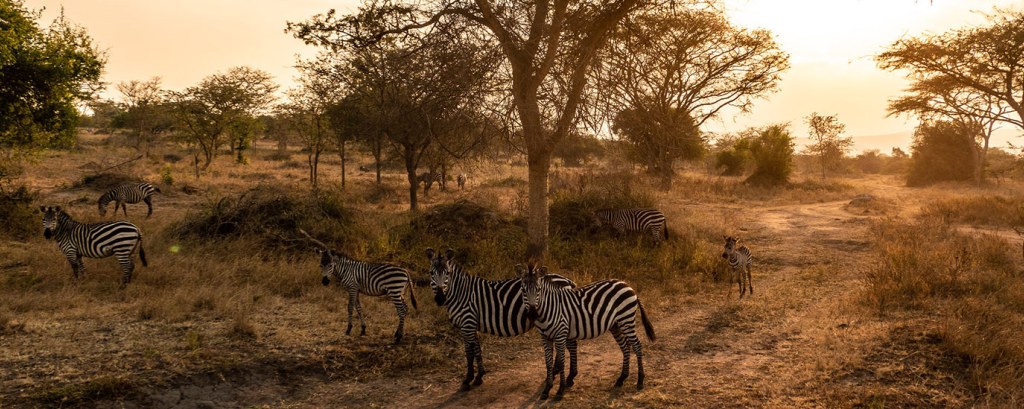
Leopards may be encountered, but sightings of wild predators cannot be guaranteed.
No. Wildlife remains unpredictable. Premium accommodation can improve comfort, while private guiding and more field time provide greater flexibility.
Yes, particularly for travellers interested in predators, photography or specialist wildlife observation.
Several nights can provide a more immersive experience, although the ideal duration depends on the wider itinerary.
Yes. It can fit naturally into a route involving other major northern safari destinations.
Still Have Questions?
Talk to a safari specialistPlan Lake Kivu family gorilla trekking with advice on family stays, Rwanda gorilla permits, age rules, Volcanoes accommodation…
Read article →Plan a private Lake Ihema and tea plantation tour with Akagera lodges, private game drives, Nyungwe stays, tea…
Read article →Find where to stay near Lake Burera for gorilla photography, Virunga landscapes and convenient access to Rwanda's Volcanoes…
Read article →Plan a mid-range Lake Burera stay with Volcanoes National Park before continuing to Akagera for Rwanda Big Five…
Read article →