

Where to Stay in Lake Kivu for Family Gorilla Trekking
Plan Lake Kivu family gorilla trekking with advice on family stays, Rwanda gorilla permits, age rules, Volcanoes accommodation…
Read article →
Travel Guide
Plan How to See Hippopotamus in Nyerere National Park for Solo travellers with practical advice on timing, costs, experiences, transport and responsible
Planning how to see hippopotamus in Nyerere National Park for solo travellers offers the opportunity to experience one of Tanzania's major wildlife landscapes while travelling at a pace designed around personal interests. The park's rivers, channels, lakes and other aquatic habitats create opportunities to search for hippos alongside a much broader collection of African wildlife.
For solo travellers, Nyerere can be especially rewarding because the experience does not have to revolve around joining a large group. A private safari can provide maximum flexibility, while shared activities may sometimes help travellers control costs and meet other visitors.
Hippos should always be viewed as powerful wild animals. Even when they appear relaxed in water, travellers must maintain safe distances and follow professional guide instructions.
With Gecko Safaris Africa, a solo Nyerere itinerary can combine game drives, appropriate wildlife activities, accommodation and transfers while keeping the traveller's budget and preferred level of independence in mind.
Nyerere contains extensive natural environments where aquatic wildlife can form an important part of the safari.
Hippos are closely associated with rivers, lakes and pools where they can spend much of the daytime.
For travellers interested in these enormous mammals, this type of landscape provides a more natural context than destinations without substantial freshwater habitat.
The park also supports a much broader safari experience, meaning a trip remains rewarding even when hippos are resting or partly submerged.
At first glance, a group of hippos resting in water can appear inactive.
Patient observation reveals much more.
Travellers may see individuals surfacing to breathe, opening their mouths, communicating or shifting position within a group.
Their eyes, ears and nostrils are positioned in ways that allow much of the body to remain underwater.
A knowledgeable guide can explain these adaptations and help solo travellers interpret the behaviour they are observing.
Solo travel does not mean exploring wildlife areas independently.
Hippos are extremely powerful and should never be approached casually.
Travellers should follow guides and remain within authorized areas.
Walking near water without professional guidance can be dangerous where hippos occur.
Visitors should never stand between a hippo and the water or attempt to obtain a closer photograph by leaving a safe viewing location.
Responsible distance is essential.
A private safari offers the greatest flexibility.
Solo travellers can spend longer at a hippo sighting or shift attention toward birds, elephants or predators according to their interests.
The disadvantage is price because vehicle and guide expenses are carried by one traveller.
Shared arrangements can sometimes reduce per-person costs.
However, the traveller must accept a group schedule and shared wildlife priorities.
Travellers should decide which parts of the safari require privacy.
A completely private itinerary may be worthwhile for photographers or specialist wildlife enthusiasts.
Others may prefer shared activities while retaining private accommodation and transfers.
The best arrangement depends on available services and travel dates.
Gecko Safaris Africa can structure quotations around different levels of privacy so solo travellers can compare costs clearly.
Hippos can potentially be observed throughout the year where suitable water remains available.
However, seasonal changes influence the wider landscape.
Water distribution, vegetation and wildlife movement can alter the character of a safari.
Solo travellers should therefore select dates according to the complete wildlife experience rather than expecting one month to guarantee hippos.
Accommodation availability and travel costs may also vary by season.
A telephoto zoom is useful when hippos remain at a safe distance.
Photographers can focus on eyes, ears and facial expressions when most of the body is submerged.
Wider compositions can include water, vegetation and other animals.
Travellers should wait for natural behaviour rather than trying to provoke a reaction.
A patient photographer often produces stronger images than someone constantly trying to move closer.
Binoculars are one of the most useful safari items for a solo traveller.
They allow detailed observation of distant hippos and birds without affecting the animals.
A lightweight pair is sufficient for many visitors.
Binoculars are also useful when the guide points out wildlife that is difficult to see with the naked eye.
They add considerable value without taking much luggage space.
A Nyerere safari should never focus entirely on hippos.
Depending on natural conditions, travellers can search for elephants, giraffes, buffaloes, antelopes, predators and numerous bird species.
Every game drive produces a different combination.
Some days may be dominated by large mammals, while others provide exceptional birding or landscape experiences.
This unpredictability is part of authentic safari travel.
Aquatic habitats can support diverse birdlife.
Solo travellers interested in birds should tell their guide before activities begin.
Slower exploration may reveal species that a general wildlife safari overlooks.
Waterbirds can also provide interesting behaviour while visitors wait for hippos to surface.
Birdwatching makes quieter moments on safari considerably more rewarding.
Accommodation prices can be affected by single occupancy.
Travellers should therefore request the actual solo rate rather than dividing a double-room package in half.
Properties vary in comfort and location.
A well-positioned camp can reduce unnecessary transfer time.
Solo travellers should also consider the atmosphere of the property and whether communal areas provide opportunities to interact with other guests if desired.
Remote safari areas may have different communication facilities from urban hotels.
Travellers should understand the property's connectivity before arrival.
Some solo travellers prefer to remain online, while others value the opportunity to disconnect.
Important travel information should still be saved offline.
Family or friends can also be given a copy of the itinerary before departure.
Safari accommodation frequently includes meals because restaurants are not readily available nearby.
Travellers should confirm the meal plan.
Dietary requirements should be communicated before arrival.
Solo guests should not worry about dining alone; safari camps often have relaxed arrangements and may provide communal dining depending on the property.
The exact format varies.
Lightweight, comfortable clothing is appropriate.
A warmer layer may be useful during cooler periods.
Sun protection is essential.
Travellers should carry necessary medication, binoculars and basic personal items.
Expensive or unnecessary luggage should be minimized, especially when domestic flights are included.
A well-organized smaller bag is easier for a solo traveller to manage.
Flying can significantly reduce travel time depending on the itinerary.
However, smaller aircraft may have specific luggage limitations.
Travellers should check these before packing.
Camera equipment can be particularly important when calculating weight.
Flight schedules should also be coordinated with international connections rather than booked as isolated segments.
Comprehensive travel insurance is advisable for solo travellers.
The policy should cover the planned destinations and activities.
Important contact information should remain accessible.
Travellers should also understand what assistance is available if flights are delayed or travel plans change.
Good preparation provides additional confidence when travelling alone.
Current travel health guidance should be reviewed before departure using appropriate official sources or qualified health professionals.
Necessary medication should be packed in adequate quantities.
Prescription items should remain accessible during flights.
Travellers with dietary, mobility or other practical requirements should communicate them during booking so the itinerary can be planned accordingly.
Hippos must never be fed or deliberately disturbed.
Visitors should avoid shouting or making noises to force an animal to react.
Guides should not be pressured to approach beyond safe limits.
The objective is to observe natural behaviour.
Responsible viewing also provides more meaningful photographs and memories because the animal's behaviour has not been artificially manipulated.
Several days can provide a more complete experience than a rushed overnight visit.
More time creates opportunities for different wildlife activities and changing conditions.
A quiet first game drive does not determine the entire safari.
Travellers with a limited budget may prefer fewer destinations with more time in each rather than repeatedly paying for transfers between parks.
Solo travellers can add another Tanzania destination when time and budget permit.
A beach stay can create a relaxing contrast, while another wildlife area can introduce a different ecosystem.
The route should remain efficient.
Adding destinations purely because they are famous can increase domestic flight and accommodation costs without necessarily improving the experience.
Vehicle and single-room expenses can make solo safaris relatively expensive.
Travellers can control costs through accommodation choice, shared services where available and efficient routing.
Travelling outside the highest-demand periods may sometimes provide different pricing.
However, decisions should consider weather and wildlife conditions as well.
The cheapest date is not automatically the best value.
A traveller can begin with an arrival night at the appropriate Tanzania gateway.
The journey can then continue toward Nyerere National Park by the most suitable confirmed transport arrangement.
Several days can focus on hippos, general wildlife, birds and landscapes.
After the safari, the traveller can return toward the international departure point or continue to another selected destination.
When contacting Gecko Safaris Africa, provide your travel dates, approximate budget, accommodation preference and number of available days.
Mention hippopotamus viewing if it is a major priority.
Explain whether private travel is essential or whether shared arrangements are acceptable.
This information allows the itinerary to balance independence, wildlife opportunities and cost.
The key to how to see hippopotamus in Nyerere National Park for solo travellers is to combine suitable aquatic habitat with professional guiding and realistic wildlife expectations.
Solo travellers can choose between private flexibility and suitable shared arrangements according to their budget.
They should also allow enough time to appreciate elephants, birds, landscapes and other wildlife rather than concentrating exclusively on hippos.
With Gecko Safaris Africa, Nyerere can be organized as a safe, well-paced and immersive solo safari centered on authentic wildlife encounters and responsible travel.
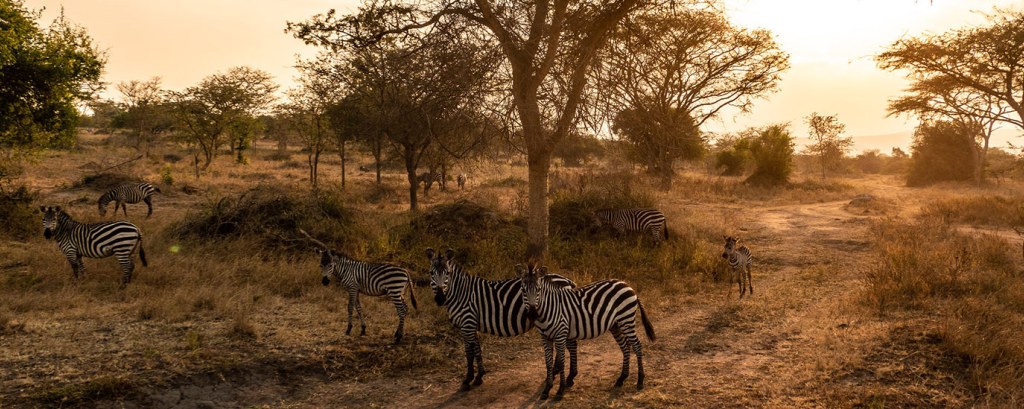
Suitable aquatic habitats can provide opportunities to observe hippos, although wild animal sightings cannot be guaranteed.
No. Private travel provides flexibility, while suitable shared arrangements may reduce costs when available.
Yes. A private arrangement can be especially useful for photographers who want more control over the time spent at sightings.
No. Hippos should always be observed according to professional guide instructions and from appropriate distances.
Yes. The most efficient combination depends on available days, transport connections and budget.
Still Have Questions?
Talk to a safari specialistPlan Lake Kivu family gorilla trekking with advice on family stays, Rwanda gorilla permits, age rules, Volcanoes accommodation…
Read article →Plan a private Lake Ihema and tea plantation tour with Akagera lodges, private game drives, Nyungwe stays, tea…
Read article →Find where to stay near Lake Burera for gorilla photography, Virunga landscapes and convenient access to Rwanda's Volcanoes…
Read article →Plan a mid-range Lake Burera stay with Volcanoes National Park before continuing to Akagera for Rwanda Big Five…
Read article →