

Where to Stay in Lake Kivu for Family Gorilla Trekking
Plan Lake Kivu family gorilla trekking with advice on family stays, Rwanda gorilla permits, age rules, Volcanoes accommodation…
Read article →
Travel Guide
Plan How to See Hippopotamus in Lake Natron for Luxury travellers with practical advice on timing, costs, experiences, transport and responsible travel.
Planning how to see hippopotamus in Lake Natron for luxury travellers requires understanding the unusual ecology of this northern Tanzania destination. Lake Natron is internationally associated with dramatic Rift Valley scenery, alkaline waters and flamingos rather than being one of Tanzania's conventional destinations for dependable hippopotamus viewing.
Luxury travellers whose wildlife priorities specifically include hippos should therefore consider Lake Natron as one part of a broader northern Tanzania itinerary.
A complementary safari destination containing more typical hippopotamus habitat, such as suitable freshwater rivers, lakes or pools, can provide a stronger opportunity to observe these animals.
Lake Natron can then contribute extraordinary landscapes, birdlife and a sense of remoteness.
Gecko Safaris Africa can combine these contrasting environments through private transportation, carefully selected accommodation and a schedule designed around comfort rather than rushing between destinations.
Lake Natron should not be approached in the same way as a conventional freshwater hippo habitat.
Its unusual alkaline environment is one of the features that makes the lake ecologically distinctive.
Travellers specifically seeking hippos should therefore avoid assuming that the lake functions like the rivers and freshwater pools associated with classic hippopotamus viewing elsewhere.
The destination remains extremely worthwhile, but its principal attractions should be represented accurately.
The landscape is one of the strongest reasons.
Lake Natron lies within a dramatic Rift Valley setting.
The combination of open terrain, distant mountains and unusual lake environments can provide a striking contrast to traditional safari parks.
Luxury travellers who appreciate remote landscapes may find this atmosphere particularly appealing.
The destination can also add birding and photography to a broader wildlife journey.
Lake Natron is strongly associated with flamingos and their ecology.
Bird distribution still changes according to natural conditions, and wildlife should never be treated as guaranteed.
However, travellers interested in nature can learn about the ecological importance of the wider lake environment.
This can become a fascinating contrast to the mammal-focused safari sections of the itinerary.
A broader Tanzania safari can incorporate protected areas containing suitable freshwater habitat.
The precise destination should depend on the route, season and other wildlife priorities.
Rather than adding a distant park purely for hippos, travellers should select a destination that provides a strong overall safari.
Hippos can then form part of a wider experience including mammals, predators and birds.
Hippos rely heavily on aquatic environments during the day.
They commonly use rivers, lakes and pools where conditions are appropriate.
After dark, they may leave the water to feed on land.
This pattern explains why conventional hippo viewing is strongly associated with particular freshwater systems.
Understanding the ecology helps travellers choose destinations realistically.
It also prevents misleading assumptions based simply on the word "lake."
Luxury in a remote destination is different from luxury in a city hotel.
Roads can be challenging, services can be limited and accommodation may emphasize landscape and privacy rather than extensive facilities.
The premium experience often comes from private guiding, thoughtful logistics and time.
Travellers should therefore evaluate a Lake Natron property according to location, atmosphere and service rather than expecting conventional resort infrastructure.
A private vehicle is particularly useful for reaching remote northern Tanzania areas.
Travellers can stop when appropriate and follow a schedule designed around their itinerary.
The vehicle should be suitable for the planned road conditions.
Experienced drivers are essential.
Luxury travellers should prioritize safe, reliable transportation over cosmetic vehicle features.
Lake Natron's location means transfer times need to be taken seriously.
An itinerary should not hide lengthy road journeys behind vague descriptions such as "short transfer."
Travellers should ask for realistic estimates.
Where a driving day is substantial, the rest of the schedule should remain light.
Arriving late and immediately beginning another activity can reduce enjoyment.
The best accommodation should match the character of the destination.
Travellers may prioritize privacy, scenery and comfortable rooms.
The location relative to planned activities also matters.
A property requiring substantial additional driving can reduce available exploration time.
Dietary requirements, room preferences and special occasions should be communicated before arrival.
Seasonal conditions influence road access, landscape appearance and wildlife distribution.
The best dates depend on the complete itinerary.
If Lake Natron is being combined with a conventional safari destination for hippos, conditions in both regions should be considered.
Travellers should avoid selecting dates according to one species alone.
The strongest luxury itinerary balances scenery, wildlife and logistical comfort.
Once the journey reaches appropriate hippo habitat, travellers should follow the guide's instructions carefully.
Hippos are powerful wild animals.
They may appear relaxed while partly submerged, but visitors should never underestimate them.
Observations should take place from safe, authorized positions.
Approaching a hippo on foot without appropriate professional arrangements is unsafe.
A telephoto or moderate zoom lens can be useful.
Hippos often spend much of the day partly submerged.
Photographers may need patience while waiting for an animal to surface or open its mouth.
The guide should never be pressured to approach too closely.
A photograph taken from a safe and ethical distance is far more valuable than one created through unnecessary risk.
Lake Natron can provide dramatic photographic possibilities.
Wide-angle lenses may be more useful here than the long telephotos associated with traditional safari photography.
Photographers can work with open landscapes, geological forms, lake patterns and changing light.
The contrast between these landscapes and later hippo habitat can create a diverse visual record of the journey.
Birds around Lake Natron should be given appropriate space.
Visitors should avoid entering sensitive areas without authorization.
Wildlife should never be disturbed simply to create dramatic flight photographs.
Professional guides can explain suitable viewing behaviour.
Luxury travel should support higher conservation standards, not greater intrusion.
A remote destination deserves enough time to justify the transfer.
Travellers should avoid arriving late one afternoon and leaving immediately the following morning simply to add Lake Natron to an itinerary.
Several nights can provide a more relaxed experience depending on the planned activities.
The complementary hippo destination should also receive enough time.
A slower route is usually more appropriate for a premium safari.
Lake Natron can form part of a broader northern Tanzania journey.
The exact sequence should minimize unnecessary backtracking.
A traditional safari park can provide the mammal-focused component.
Lake Natron then contributes landscapes and specialized ecology.
This combination is stronger than expecting Lake Natron alone to deliver every wildlife experience.
Private guiding allows the itinerary to reflect specific interests.
Birdwatchers may spend more time around appropriate observation areas.
Photographers can wait for changing light.
Travellers interested in geology and landscapes may focus on different subjects.
When the itinerary moves to hippo habitat, the same personalized approach can emphasize patient wildlife observation.
Remote properties need advance notice for dietary requirements.
Luxury travellers should communicate allergies and preferences before departure.
Meal inclusions should be confirmed in the quotation.
Travellers should also understand which drinks and additional services are included.
Transparent arrangements prevent confusion once the journey reaches remote areas.
Lightweight clothing and strong sun protection are important.
Comfortable footwear should be selected according to planned activities.
A hat, sunscreen and drinking water arrangements are essential.
A light layer may be useful for cooler periods.
Travellers should pack necessary medication because specialist products may not be readily available.
Remote road travel can expose equipment to dust.
Camera bags should remain closed when not being used.
Photographers should minimize lens changes in dusty conditions.
A blower and suitable cleaning materials can be useful.
Electronics and other sensitive items should be packed securely.
These simple precautions are particularly important on a multi-destination photography safari.
Comprehensive insurance is important.
Remote locations can complicate medical or travel emergencies.
The policy should be appropriate for the itinerary and planned activities.
Travellers should keep emergency information accessible.
Insurance should be arranged before departure rather than treated as an optional addition once the trip has begun.
Private vehicles, remote accommodation and specialist guiding can influence the price.
A complementary safari destination adds park charges and additional lodging.
Travellers should request a detailed quotation.
Accommodation, meals, transfers, park or conservation charges and activities should be clearly identified.
The itinerary should explain exactly where the dedicated hippo-viewing opportunities are expected to occur.
Travellers can begin with a traditional northern Tanzania safari in a protected area containing appropriate wildlife habitat.
Several days can focus on hippos, predators, large mammals and birds.
The journey can then continue toward Lake Natron.
Several nights around the lake can emphasize landscapes, birding, photography and relaxation.
The order can be reversed depending on the overall route.
When contacting Gecko Safaris Africa, provide preferred travel dates, accommodation expectations and number of available days.
Mention hippos as a specific priority.
The itinerary can then include a more appropriate hippo habitat while retaining Lake Natron for its genuine ecological and scenic strengths.
Private transport and suitable premium accommodation can be incorporated according to the required comfort level.
The best approach to how to see hippopotamus in Lake Natron for luxury travellers is to appreciate Lake Natron for its genuine strengths while incorporating another suitable wildlife area for the dedicated hippo experience.
Lake Natron contributes dramatic Rift Valley scenery, birdlife and remote landscapes, while appropriate freshwater safari habitat can provide better opportunities to observe hippopotamuses.
Luxury travellers should prioritize realistic transfer times, quality private guiding, carefully chosen accommodation and enough nights to experience each location properly.
With Gecko Safaris Africa, these contrasting destinations can be connected into a refined Tanzania itinerary based on accurate wildlife expectations, responsible travel and unhurried exploration.
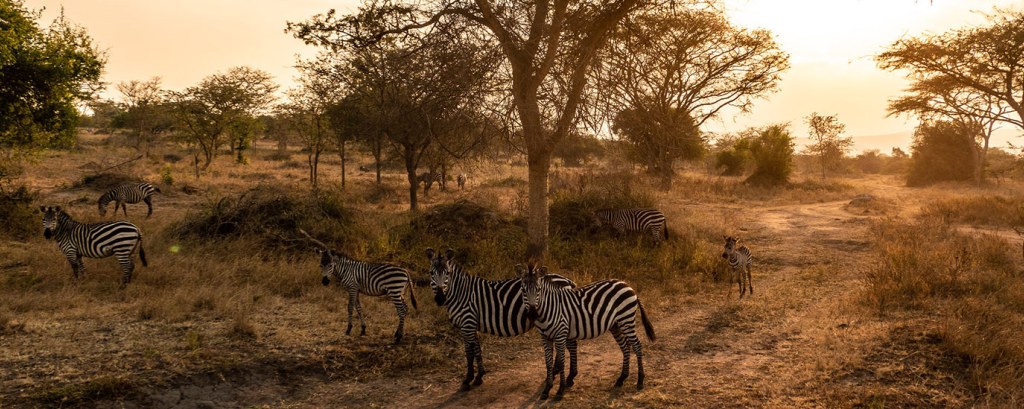
Lake Natron is better known for its unusual alkaline environment, landscapes and flamingo ecology than as a classic dependable hippo destination.
Yes. A broader northern Tanzania safari can incorporate a protected area with more suitable hippo habitat.
It can suit luxury travellers who value privacy, remote landscapes and personalized logistics rather than conventional city-style luxury.
No. Wild animal sightings cannot be guaranteed.
Private transport can provide greater flexibility and comfort on a tailor-made itinerary.
Still Have Questions?
Talk to a safari specialistPlan Lake Kivu family gorilla trekking with advice on family stays, Rwanda gorilla permits, age rules, Volcanoes accommodation…
Read article →Plan a private Lake Ihema and tea plantation tour with Akagera lodges, private game drives, Nyungwe stays, tea…
Read article →Find where to stay near Lake Burera for gorilla photography, Virunga landscapes and convenient access to Rwanda's Volcanoes…
Read article →Plan a mid-range Lake Burera stay with Volcanoes National Park before continuing to Akagera for Rwanda Big Five…
Read article →