
How Many Gorillas Are Left in the Wild in 2025?
How Many Gorillas Are Left in the Wild in 2025?
Gorilla population. Gorillas are among the most iconic and endangered animals on Earth. Their strength, intelligence, and close genetic link to humans make them one of the most fascinating species in the wild. Yet, despite decades of conservation work, gorilla populations remain under threat.
In 2025, the question “How many gorillas are left in the wild?” matters more than ever not just to scientists and conservationists, but to every traveler who dreams of seeing these gentle giants in their natural home.
Current Gorilla Population in 2025
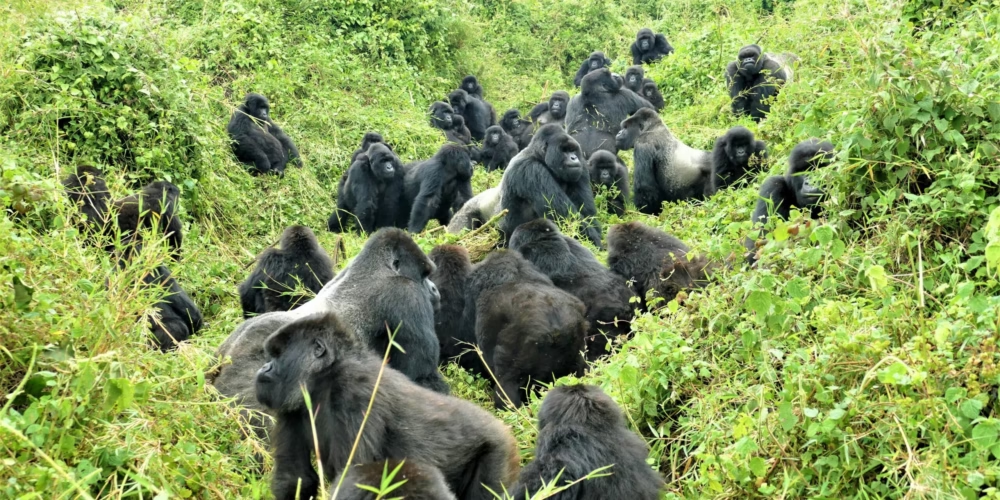
As of 2025, the global wild gorilla population is estimated to be around 1,080 mountain gorillas and roughly 316,000 lowland gorillas across Central Africa. Together, that makes a total of just over 317,000 gorillas remaining in the wild.
While these numbers show improvement for some subspecies, others continue to decline. The success of gorilla conservation varies greatly depending on species, habitat, and local protection efforts.
Gorilla Subspecies and Their Populations
-
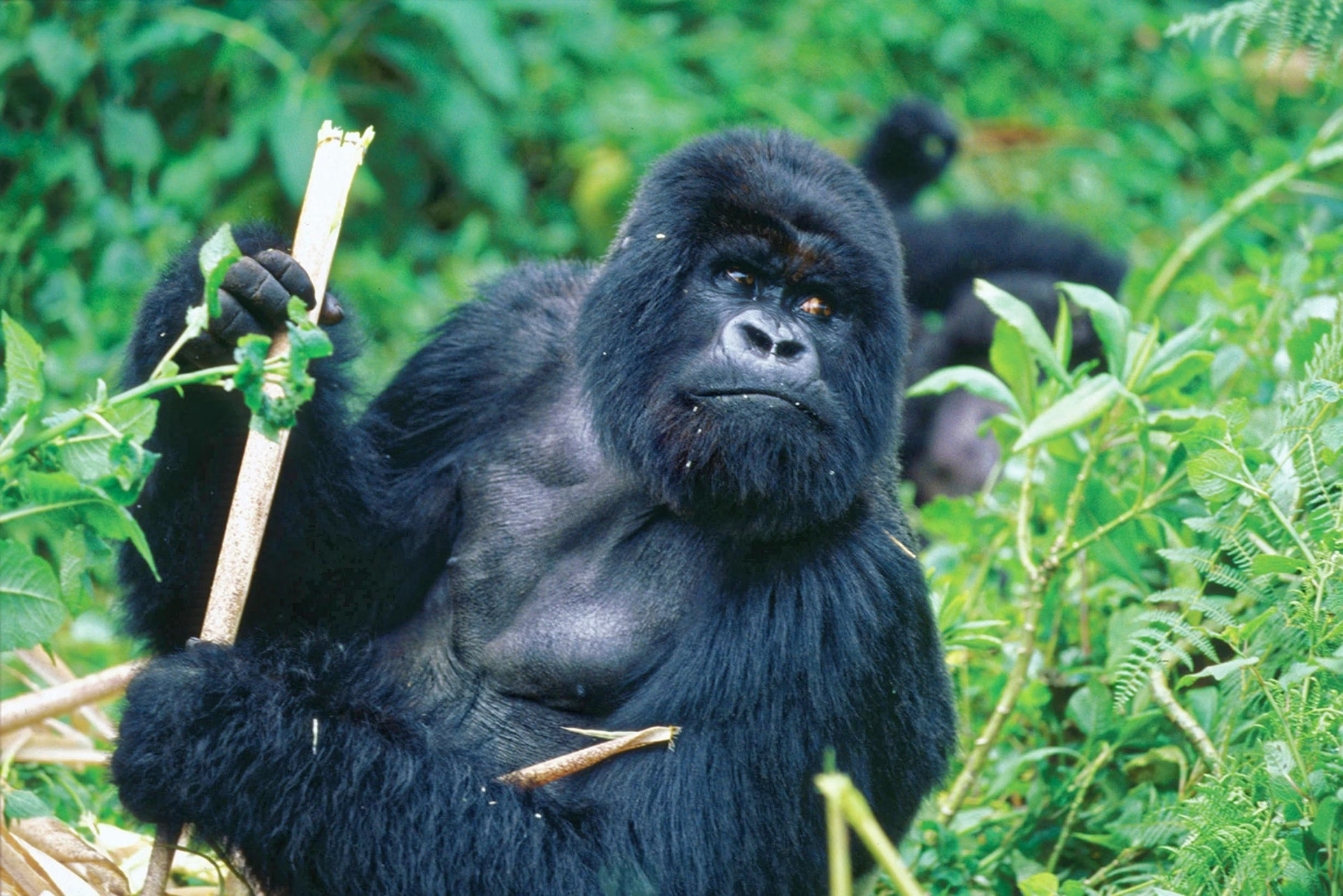
Mountain Gorillas (Gorilla beringei beringei)
Mountain gorillas are the best-known and most studied subspecies. They live only in the forested volcanic mountains of Rwanda, Uganda, and the Democratic Republic of Congo (DRC).
According to the latest census data, their population in 2025 stands at around 1,080 individuals, an increase from fewer than 700 in the early 2000s. This remarkable recovery comes from strict protection, community-based conservation, and responsible tourism in parks such as:
- Volcanoes National Park (Rwanda)
- Bwindi Impenetrable and Mgahinga National Parks (Uganda)
- Virunga National Park (DRC)
Mountain gorillas are the only great ape whose population is increasing — a true conservation success story.
-
Eastern Lowland Gorillas (Grauer’s Gorillas – Gorilla beringei graueri)
Eastern lowland gorillas, also known as Grauer’s gorillas, inhabit the rainforests of eastern DRC. Sadly, their population has dropped drastically due to poaching, mining, and habitat loss.
In 2025, experts estimate about 6,800 individuals remain. Though community patrols and tourism projects in Kahuzi-Biega National Park have improved protection, insecurity and deforestation still threaten their survival.
-
Western Lowland Gorillas (Gorilla gorilla gorilla)
Western lowland gorillas are the most widespread subspecies, found across Congo-Brazzaville, Gabon, Cameroon, Central African Republic, and Equatorial Guinea.
Despite their wider range, their numbers are uncertain due to the dense forest terrain and limited surveys. The International Union for Conservation of Nature (IUCN) estimates a population of about 315,000, but Ebola outbreaks and hunting have caused severe local declines.
-
Cross River Gorillas (Gorilla gorilla diehli)
The rarest of all, Cross River gorillas, live in the border region between Nigeria and Cameroon. Only about 250 to 300 individuals remain in fragmented forest patches.
Conservation groups have made progress by linking habitat corridors and working closely with local communities, but their survival remains fragile.
Why Gorilla Populations Are Declining
Several threats continue to challenge gorilla survival across Africa:
- Habitat loss: Expanding farms, logging, and mining reduce forest cover.
- Poaching: Gorillas are hunted for bushmeat or caught in snares meant for other animals.
- Disease: Ebola and respiratory infections, often transmitted by humans, have wiped out entire groups.
- Conflict: Political instability and armed groups in Central Africa make protection efforts difficult.
Despite these challenges, strong conservation programs and tourism revenue offer hope.
Conservation Efforts That Work
The steady rise in mountain gorilla numbers proves that conservation works when communities benefit. Revenue from gorilla trekking permits funds park management, ranger patrols, and community projects in nearby villages.
Organizations like the Dian Fossey Gorilla Fund, Virunga Foundation, and Wildlife Conservation Society continue to monitor gorilla groups, support rangers, and educate communities. Eco-tourism has turned gorillas into valuable ambassadors for Africa’s forests.
In Rwanda and Uganda, tourism contributes millions of dollars annually to conservation. Visitors who follow health guidelines, maintain distance, and respect park rules help ensure gorillas continue to thrive.
The Future of Gorillas Beyond 2025
The goal for conservationists is to maintain this upward trend and protect all gorilla species from extinction. Genetic studies, technology-based tracking, and cross-border cooperation now make population monitoring more accurate than ever.
However, the fight is far from over. Every tourist, researcher, and local partner plays a role in the gorillas’ story of survival. Responsible travel and continued funding remain the key to securing their future.
Plan Your Gorilla Trekking Adventure
Seeing a wild gorilla is more than a wildlife encounter it’s witnessing one of Earth’s greatest conservation successes. When you join a gorilla trek, you contribute directly to their protection.
Book your gorilla trekking experience today with Contact Us and be part of Africa’s conservation legacy in Rwanda, Uganda, and Congo. Every permit purchased helps keep gorillas safe for generations to come.